
Plants
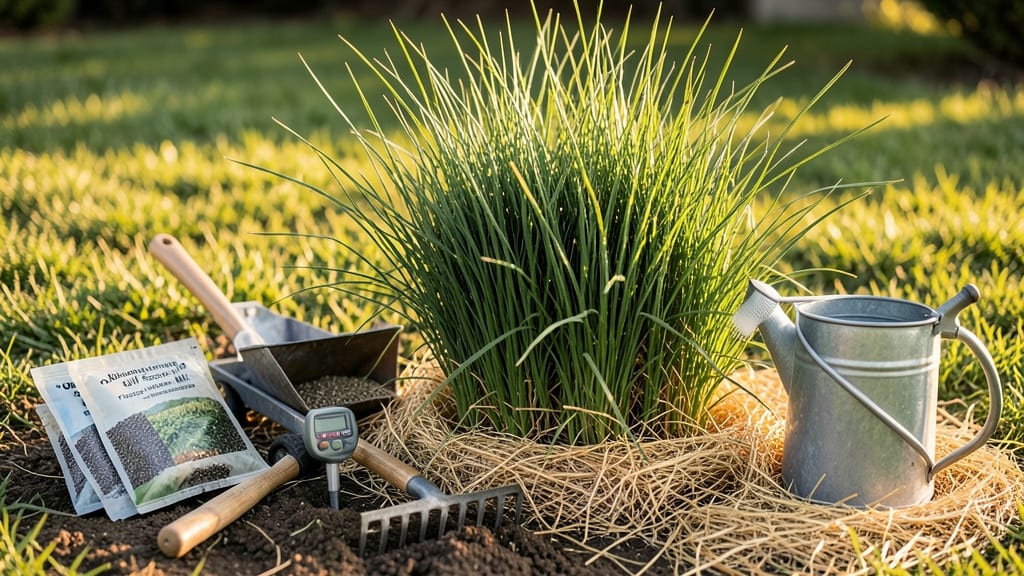
Timing your grass seed planting in Oklahoma can make the difference between a lush, green lawn and months of patchy frustration. The best time to plant grass seed in Oklahoma hinges on two key windows: early spring and late fall, when temperatures are mild and moisture is consistent.
If you plant too early, frost can damage tender seedlings, while waiting too late risks summer drought stressing your new grass.
Oklahoma’s 6a-8a climate zones mean conditions vary from north to south, but the rule remains the same: aim for soil temperatures between 55°F and 75°F. In northern Oklahoma, early spring (March-April) is ideal, while southern areas can extend planting into May.
Fall planting, from late August to early October, gives grass a head start before winter dormancy.
Why does timing matter so much? Grass seeds need steady moisture and warmth to germinate, and Oklahoma’s unpredictable weather can throw off even the best-laid plans. By planting at the right time, you’ll avoid the common pitfalls—like weeds choking out seedlings or heat scorching new growth.
Let’s break down the exact steps to ensure your lawn thrives from the start.
Whether you’re seeding a new yard or overseeding an existing one, mastering these timing strategies will give you thicker, faster germination and a lawn that stands up to Oklahoma’s challenges. Ready to transform your patchy grass into a vibrant carpet? Let’s get started.
Oklahoma’s ideal grass seed planting windows: spring vs. fall timing
Oklahoma’s unpredictable climate means your grass seed’s success hinges on perfect timing. The two best windows are early spring and late fall, when soil temperatures and moisture align for fast germination. Let’s break down the ideal months, temperature ranges, and regional differences to help you decide.
For spring planting, aim for March to early April in most of Oklahoma. This gives seeds time to germinate before summer’s intense heat and drought.
In USDA Zone 6a (northern OK), wait until after the last frost (typically mid-April), while Zone 8a (south OK) can start as early as late February.
Fall planting offers the best success rate in Oklahoma because cooler temps and consistent rainfall reduce stress on new grass. Seed in late August to early October, with 6-8 weeks before first frost (mid-October in most areas). This gives roots time to establish before winter dormancy.
Regional microclimates matter: Oklahoma City’s drier conditions favor fall planting, while Tulsa’s higher humidity allows slightly later spring starts. Always check your local extended weather forecast for rainfall predictions—you need 1-1.5 inches of water weekly for germination.
Now, let’s compare the two seasons side by side to help you choose:
| Factor | Spring Planting | Fall Planting |
|---|---|---|
| Best Months | March–early April | Late August–early October |
| Soil Temp | 50–65°F (10–18°C) | 60–75°F (15–24°C) |
| Rainfall Needs | Moderate (supplement if dry) | Consistent (natural rain preferred) |
| Weed Competition | High (pre-emergent needed) | Lower (cooler temps slow weeds) |
| Germination Time | 7–14 days | 5–10 days |
| Best Grass Types | Tall fescue, Kentucky bluegrass | Bermuda, Zoysia, ryegrass |
If you’re in southern Oklahoma (Zone 8a), consider warm-season grasses like Bermuda or Zoysia, which thrive when planted in late spring (May). These varieties dormant in winter, so avoid fall planting.
Meanwhile, cool-season grasses (like tall fescue) are better suited for spring or fall and stay green longer in winter.
Pro tip: Use a soil thermometer to confirm ideal temps—50–65°F for cool-season seeds and 65–75°F for warm-season. If temps spike above 85°F, germination slows dramatically, even with water.
Regardless of season, prepare your soil 2–4 weeks before planting. Rake out debris, loosen soil to ¼-inch depth, and add compost or starter fertilizer for nutrients. This step alone can double your germination rate.
Remember: Oklahoma’s summer heat and winter freezes are your biggest enemies. Planting in spring or fall gives your grass the best shot to establish strong roots before extreme conditions set in.
Next, we’ll cover the 5 critical factors that determine whether your grass seed thrives—or fails—in Oklahoma’s climate. Stay tuned for soil prep tips, watering schedules, and how to outsmart weeds! 🌱
Oklahoma’s ideal grass seed planting windows: spring vs. fall timing
Oklahoma’s two best planting windows for grass seed are early spring and late fall, but the exact timing depends on your USDA zone (6a-8a). In northern Oklahoma (Zone 6a), aim for March-April in spring and late August-early October in fall.
Southern Oklahoma (Zone 8a) can extend spring planting into May and fall planting into November. These windows align with soil temperatures between 55°F and 75°F, ideal for germination.
Spring planting gives grass a 6-8 week head start before summer’s heat stress, while fall planting allows roots to establish before winter dormancy. Both seasons avoid the extreme heat of summer and freezing temperatures of winter, which can stunt growth or kill seedlings.
For example, Oklahoma City (Zone 7a) typically sees last frost dates around April 15, making early April the sweet spot for spring planting.
My personal recommendation? Fall planting often yields better results because cooler temperatures reduce weed competition and conserve moisture. However, spring planting works well if you overseed an existing lawn to fill in thin patches.
Just be prepared for weed pressure in spring—pre-emergent herbicides applied 2 weeks before seeding can help.
🌱
| Factor | Spring Planting | Fall Planting |
|---|---|---|
| Best Months | March–April (Zone 6a) / April–May (Zone 8a) | Late August–Early October |
| Soil Temp | 55°F–65°F | 60°F–75°F |
| Pros | Longer growing season | Cooler temps, less weed pressure |
| Cons | Weed competition | Short window before frost |
| Grass Types | Tall fescue, ryegrass | Bermuda, zoysia, fescue |
Regional differences matter too. In Tulsa (Zone 7b), spring planting can stretch into early May, while Lawton (Zone 7a) may need to finish by late April to avoid summer drought. Always check your local frost dates—planting too late in spring risks seedlings struggling before summer’s heat sets in.
For fall planting success, aim to seed 4-6 weeks before first frost (typically mid-October in most of Oklahoma). This gives grass time to germinate and establish roots before winter dormancy. In southern Oklahoma (Zone 8a), you might even squeeze in a November planting, but monitor weather forecasts closely.
Pro tip: Use a soil thermometer to confirm temperatures are in the ideal range before planting. If soil is too cold (<50°F), germination slows dramatically, leaving your lawn vulnerable to weeds. In Oklahoma’s variable climate, fall planting often wins—just be ready to act fast before the first frost!
☀️