
Plants
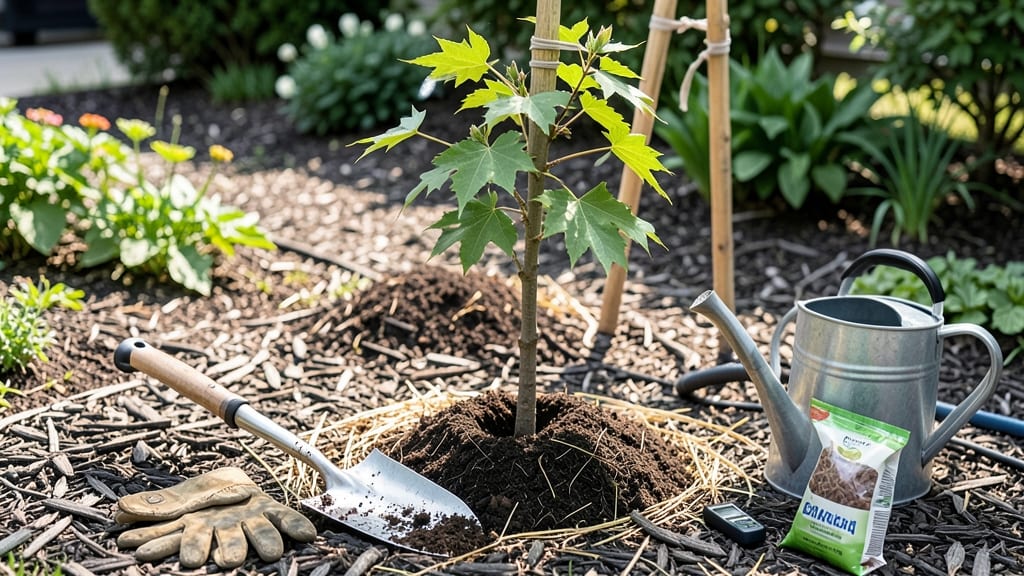
Planting a tree in Colorado at the wrong time can mean the difference between a thriving 🌳 and a struggling sapling—especially with the state’s dramatic elevation shifts and unpredictable weather.
If you’ve ever wondered whether spring or fall planting is better for your Colorado yard, the answer depends on your elevation and local microclimate. Timing matters—plant too early, and frost can damage young roots; too late, and summer heat will stress your new tree before it establishes.
I’ll break down the best planting windows for Colorado’s USDA zones 5-7, from the Front Range to the Western Slope, so you can avoid common mistakes and set your tree up for long-term success.
Ready to learn the exact deadlines for spring vs. fall planting by elevation? Let’s get started.
Colorado tree planting deadlines by elevation: spring vs fall timeline
Colorado’s three distinct elevation zones—lowland, foothills, and mountains—dictate when to plant trees for maximum survival. Lowland areas (3,000–6,000 ft) like Denver and Colorado Springs have longer growing seasons, while high-elevation zones (8,000+ ft) face shorter windows and harsher winters.
Timing is everything: plant too early, and roots won’t establish before winter; too late, and summer heat stress sets in.
For spring planting, aim for March–April when soil temperatures reach 45–50°F. This gives roots 6–8 weeks to establish before summer heat. In fall, prioritize September–October to allow roots to grow before dormancy. High-elevation areas must plant 2–4 weeks earlier than lowlands due to earlier frost.
Soil temperature is your best guide: use a soil thermometer to confirm 50°F+ at 4" depth before planting. In lowland zones, last frost dates (April 10–20) signal readiness, while mountain zones may need to wait until May. Fall planting should stop 6 weeks before first frost (October 10–20 for lowlands).
Microclimates matter: Urban areas like Denver experience heat islands, delaying frost, while rural highlands freeze earlier. Check local USDA Zone maps (Zones 5–7) and adjust planting dates accordingly. For example, Ponderosa Pines thrive at 6,000–9,000 ft, while Russian Olives prefer 3,000–6,000 ft.
Here’s how Colorado’s three elevation zones break down for planting deadlines:
| Elevation Zone | Spring Planting Window | Fall Planting Window | Last-Call Before Frost | Soil Temp Requirement |
|---|---|---|---|---|
| Lowland (3,000–6,000 ft) | March 15–April 15 | September 1–October 15 | October 10–20 | 45–50°F |
| Foothills (6,000–8,000 ft) | April 1–May 1 | August 15–September 30 | September 20–October 5 | 40–45°F |
| Mountain (8,000+ ft) | May 1–June 1 | July 15–August 31 | September 1–15 | 35–40°F |
Spring planting in lowland zones offers 6–8 weeks of root growth before summer drought, while fall planting leverages cooler temps and natural rainfall to reduce transplant shock. In high-elevation zones, prioritize bare-root trees planted in late spring to avoid winter dieback.
Always water deeply after planting—10–30 gallons depending on tree size—and mulch 3–4 inches deep to retain moisture.
Colorado’s Western Slope (e.g., Grand Junction) has earlier frost dates than the Front Range, so adjust deadlines 1–2 weeks earlier.
For example, plant Russian Olives in late March in Grand Junction but wait until mid-April in Denver. Evergreens like Blue Spruce need extra care: plant in early fall to establish roots before winter desiccation.
Pro tip: Container-grown trees can be planted 1–2 weeks later than bare-root, as their roots are less stressed. However, avoid planting after July 1 in lowlands or after June 15 in mountains—summer heat stress is the #1 killer of newly planted trees in Colorado.
Always stake young trees in windy areas (common above 7,000 ft) to prevent root damage.
Finally, monitor soil moisture closely after planting. Colorado’s alkaline soils drain quickly, so deep watering every 7–14 days is critical. Use a soil moisture meter to confirm 1–2 inches of moisture at root depth. With the right timing and care, your tree will thrive—regardless of elevation.
Colorado tree planting deadlines by elevation: spring vs fall timeline
Colorado’s elevation zones create dramatic differences in planting windows—what works in Denver (5,280 ft) fails in Aspen (8,000 ft). The key is aligning your planting with soil temperatures and frost-free periods.
At lower elevations, you’ve got a 6-week window in spring and 8 weeks in fall, while high-elevation sites shrink those windows by half.
For lowland areas (3,000–6,000 ft), like the Front Range, aim for March 15–April 30 in spring or September 1–October 15 in fall. These dates ensure soil stays above 45°F and avoids late frosts. At 6,000–8,000 ft (foothills), shift your timeline 2 weeks later to account for cooler soil.
High-elevation sites (8,000+ ft) demand precision: plant between April 15–May 15 in spring or September 15–October 1 in fall. Missing these windows risks transplant shock from sudden temperature swings or snowmelt stressing young roots.
🌳 Colorado Tree Planting Deadlines by Elevation
| Elevation Zone | Spring Window | Fall Window | Soil Temp Goal | Key Risk |
|---|---|---|---|---|
| 3,000–6,000 ft (Denver, Fort Collins) | March 15–April 30 | September 1–October 15 | 45°F+ | Late frost damage |
| 6,000–8,000 ft (Manitou, Evergreen) | April 1–May 15 | September 15–October 1 | 40°F+ | Slow root growth |
| 8,000+ ft (Aspen, Leadville) | April 15–May 15 | September 15–October 1 | 35°F+ | Snowmelt erosion |
⚠️ Pro Tip: Use a soil thermometer—roots need consistent warmth to establish.
Fall planting often outperforms spring in Colorado because cooler temps reduce transplant shock. However, avoid planting after October 15—roots need 6–8 weeks to establish before winter dormancy. For evergreens, like Colorado Blue Spruce, prioritize fall planting to minimize winter desiccation.
Microclimates matter too: South-facing slopes warm up faster than north-facing sites. If your yard sits in a frost pocket, err on the later side of spring or earlier side of fall to hedge against unexpected cold snaps.
Timing isn’t the only factor—watering schedules and mulching depth also shift by elevation. For example, high-altitude trees need 3–4 inches of mulch to insulate roots, while lowland trees thrive with 2 inches. Plan accordingly to match your elevation zone.