
Plants
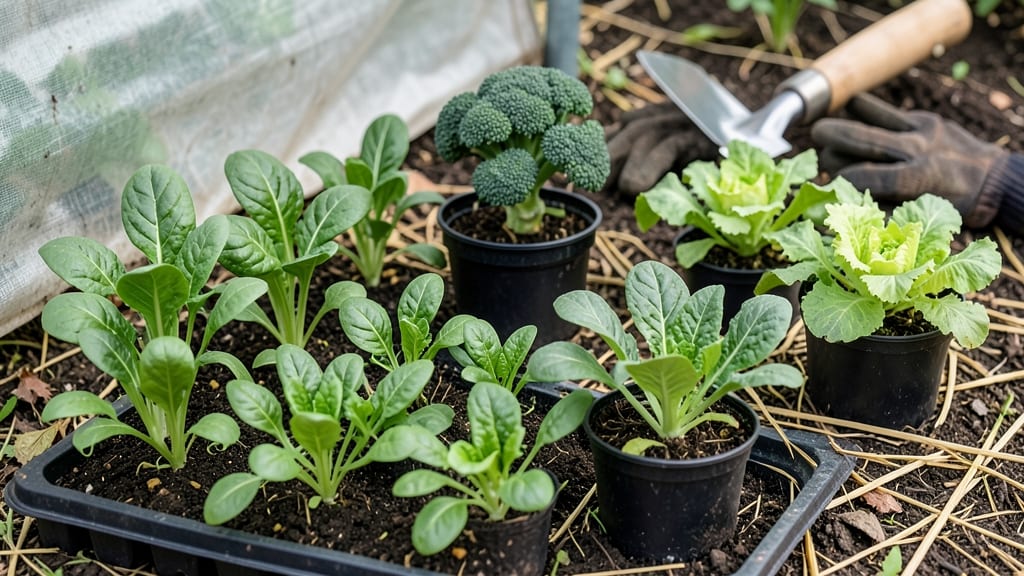
If you've ever rushed to plant your garden in Minnesota only to watch frost nip your seedlings overnight, you know when it is safe to plant in Minnesota can feel like a moving target—one week too early risks disaster, while waiting too long shrinks your growing season.
I've spent years tracking Minnesota's frost patterns, and the key to success isn't guessing—it's understanding your specific region's last frost probabilities. Whether you're in the Twin Cities or northern Minnesota, knowing when the danger passes means the difference between a thriving garden and starting over.
In this guide, I'll break down exactly when it's statistically safe to plant across Minnesota's microclimates, including soil temperature tips and how urban heat islands can push your window earlier. Let's get those seeds in the ground the right way.
You'll discover how to extend your planting window safely using cold-hardy crops and protective techniques, so you can maximize every frost-free day. Ready to plant with confidence? Let's dive in.
Minnesota’s last frost dates by region: USDA Zone 4 planting deadlines
Minnesota’s USDA Zone 4 status means gardeners face late spring frosts that can strike even after Memorial Day. The key to safe planting lies in understanding your region’s historical frost dates—not just the calendar.
Northern Minnesota’s Iron Range averages 150 frost-free days, while the Twin Cities typically enjoy 130 days, and southern Mankato stretches to 140 days. These variations mean your planting window can shift by 2-3 weeks depending on location.
For 90% frost-free probability, most Minnesota gardeners should wait until mid-May for tender plants like tomatoes and peppers. However, cold-hardy crops like peas and spinach can often go in as early as late April once soil temperatures hit 40°F.
The MN State University Extension tracks real-time frost predictions—bookmark their frost-free date maps for year-to-year adjustments.
Urban areas like Minneapolis-St. Paul experience urban heat islands that can push last frost dates 3-5 days earlier than rural areas. Meanwhile, northern lakeside communities often see delayed warming due to lake-effect cooling. Always check microclimate factors in your specific neighborhood to avoid costly mistakes.
Here’s how to use historical frost data to plan your garden:
| Region | Avg. Last Frost Date | Frost-Free Probability | Safe Planting Window | Notes |
|---|---|---|---|---|
| Northern MN (Zone 3-4) | May 15–20 | 85% | Wait until May 25 | Shortest season; use row covers |
| Twin Cities (Zone 4a) | May 10–15 | 90% | May 20–25 | Urban heat islands may allow earlier planting |
| Southern MN (Zone 4b) | May 5–10 | 92% | May 15–20 | Longer season; ideal for warm-season crops |
Soil temperature is just as critical as air temperature. Use a soil thermometer to confirm 50°F+ for warm-season crops like tomatoes and peppers. Cold soil slows germination and stresses young plants.
In my Zone 4a garden, I’ve seen pepper seeds take 3 weeks to sprout in 45°F soil versus 5 days in 60°F soil. Patience here saves money on replanting.
For extra safety, use the "10-day rule": Wait until 10 days after your region’s average last frost date. This accounts for late-season cold snaps that can still hit in early June. I once lost my eggplant starts to a May 28 frost—a painful lesson in overconfidence!
Northern Minnesota gardeners should prioritize fast-maturing varieties like 'Early Girl' tomatoes (55 days) or 'Sugar Ann' peas (60 days). Southern Minnesota’s longer season allows for heirloom tomatoes (80+ days) and sweet corn. Always check seed packets for "days to maturity" and subtract from your frost-free date to avoid disappointment.
Pro tip: Plant cold-hardy crops first (like kale and radishes) in late April, then transition to warm-season plants after Memorial Day. This successive planting strategy maximizes your short Minnesota season. For real-time updates, follow the MN Department of Agriculture’s frost alerts—they’re a gardener’s best friend.
Remember, frost dates shift yearly. Don’t rely solely on historical averages—combine them with weekly weather forecasts and local gardening groups for the most accurate timing. Your plants (and your wallet) will thank you.
Cold-hardy vegetables vs. warm-season plants: what to plant when in Minnesota
Minnesota’s short growing season means choosing the right plants for your planting window is crucial. Cold-hardy vegetables like spinach and peas can handle frost, while warm-season plants like tomatoes need consistent warmth. Knowing which plants thrive in Zone 4 and when to plant them maximizes your harvest.
Your planting strategy should align with Minnesota’s last frost dates. For example, frost-tolerant crops can go in the ground as early as late April in southern Minnesota, while northern regions may wait until mid-May.
Warm-season plants, however, should wait until after the last frost—usually mid-to-late May—to avoid damage.
Here’s a quick guide to help you match plants with Minnesota’s planting windows:
For cold-hardy vegetables, start planting as soon as the soil is workable, typically late April in southern Minnesota and early May in northern areas.
These plants can handle light frosts and even improve in flavor after exposure to cold. Spinach and peas are excellent choices for early planting, while kale and lettuce can often survive overnight frosts.
Warm-season plants like tomatoes and peppers require soil temperatures above 50°F (10°C) to thrive. These plants should not be planted until after the last frost, which in Minnesota typically occurs between mid-May and early June, depending on your location.
If you’re eager to get a head start, consider using row covers or cold frames to protect tender seedlings.
Perennials and flowers can be planted a bit later, often in early May, but some varieties like daylilies and lavender can tolerate cooler soil. Always check the specific requirements of the plants you’re growing, as some may need to be established before the heat of summer arrives.
Succession planting—adding new seeds every few weeks—is a great way to extend your harvest and make the most of Minnesota’s growing season.
Pay attention to soil temperature as much as air temperature. A soil thermometer is your best friend—most vegetables prefer soil that’s at least 50°F (10°C). If the ground is still too cold, wait a few more days or use black plastic mulch to warm it up faster.
With the right timing and plant choices, you can enjoy a bountiful garden even in Minnesota’s unpredictable climate. 🌱