
Plants
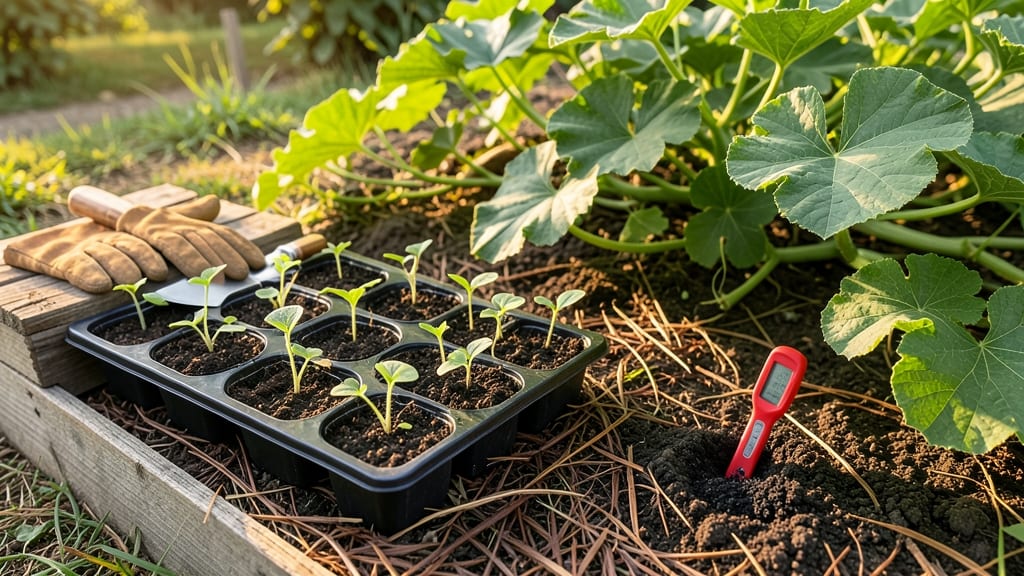
Planting watermelons in Texas at the wrong time can mean the difference between a juicy, homegrown harvest and a wasted season. Whether you're in frost-prone North Texas or balmy South Texas, timing is everything—especially when you're dealing with 🍉 varieties that need warmth to thrive.
The key to success lies in waiting until the soil warms up to at least 70°F and all frost danger has passed. For most Texas gardeners, that means planting between mid-March and mid-April in Central Texas, but earlier in South Texas and later in North Texas.
Get it wrong, and you risk bolting vines or stunted growth.
In this guide, I’ll break down the exact planting windows by region, plus pro tips to adjust for early or late varieties. You’ll learn how to prep your soil, avoid common mistakes, and maximize your chances of a sweet, bountiful harvest—no guesswork required.
Ready to turn your Texas garden into a watermelon powerhouse? Let’s dive into the perfect planting schedule for your area and set yourself up for success this season.
Texas watermelon planting dates by region: exact timing for zero-bolt success
Timing is everything when growing watermelons in Texas, where frost-free dates and soil temperatures vary dramatically by region. Plant too early, and your seeds will rot in cold soil; too late, and your vines may bolt before producing fruit.
The key is aligning your planting schedule with your USDA hardiness zone and local frost dates to maximize your 75-90 day growing window.
Texas spans USDA zones 8a-10a, meaning frost risks differ from the Panhandle to the Rio Grande Valley. South Texas gardeners can start as early as February, while North Texas growers should wait until mid-April to avoid frost damage.
Central Texas falls in between, with ideal planting windows from late March to mid-April.
🌱 Pro Tip: Always check your local frost-free date (available through the National Weather Service or Texas A&M AgriLife Extension) and wait until soil temperatures consistently reach 70°F or higher before planting. A soil thermometer is your best friend here!
🍉 Texas Watermelon Planting Guide by Region
| Region | Last Frost Date | Optimal Planting Window | Soil Temp Threshold | Harvest Window |
|---|---|---|---|---|
| South Texas (Zones 9a-10a) | January 15 | February 15 - March 15 | 70°F+ (earlier starts possible) | June - September |
| Central Texas (Zones 8a-8b) | February 15 | March 15 - April 15 | 75°F+ (critical for germination) | June - August |
| North Texas (Zones 8a) | March 15 | April 15 - May 1 | 80°F+ (wait for heat) | July - September |
💡 Note: Adjust dates 1-2 weeks earlier for fast-maturing varieties (e.g., 'Sugar Baby') or later for long-season types (e.g., 'Crimson Sweet').
For North Texas gardeners, the April 15 planting window is non-negotiable. The region's unpredictable spring frost can still linger until early April, and soil temperatures below 75°F will stall germination.
Use black plastic mulch to warm the soil faster if you're eager to plant earlier—this can raise soil temps by 5-10°F.
In Central Texas, where March often brings 80°F+ soil temperatures, you can start as early as mid-March for heat-tolerant varieties. However, if you're growing sensitive heirlooms, wait until April 1 to avoid bolting (when plants flower prematurely without fruiting).
The Hill Country may need an extra week later due to higher elevations.
South Texas gardeners enjoy the longest growing season, but even here, February planting requires caution. Early starts work best for fast-maturing varieties (60-70 days to harvest), while long-season types should wait until March 1 to avoid summer heat stress.
The Rio Grande Valley can even squeeze in a fall planting in September for a late harvest!
🌡️ Soil Temperature Matters Most: Watermelon seeds won't germinate below 60°F, and growth stalls under 70°F. Use a soil thermometer to confirm readiness—this is more critical than air temperature. In cooler zones, consider transplanting seedlings (start indoors 2-3 weeks before last frost) for a head start.
Regardless of region, direct sowing is the gold standard for watermelons—transplants struggle with root shock. Plant seeds 1 inch deep, 6 inches apart in hills, and 18-24 inches between hills to accommodate sprawling vines. Thin to the strongest seedling per hill once sprouts emerge.
Finally, microclimates matter. A south-facing slope warms up faster than a north-facing valley, so adjust your planting date accordingly. Urban areas with heat islands may be ready 1-2 weeks earlier than rural zones. Always scout your garden's specific conditions before committing to a calendar date!
Texas watermelon planting dates by region: exact timing for zero-bolt success
Timing your watermelon planting in Texas isn't one-size-fits-all—it's a three-region puzzle where soil temperature and frost dates dictate success. In North Texas, where late frosts linger until March 15, you'll want to wait until April 1-15 for planting.
Meanwhile, Central Texas gardeners can start as early as mid-March, while South Texas enjoys a head start with February planting possible.
Here's the golden rule: Wait until soil reaches 70°F+—cold soil stunts germination. Use a soil thermometer to confirm before dropping seeds. In cooler zones, black plastic mulch can warm soil by 10-15°F, creating an earlier planting window for heat-loving watermelons.
🍉
| Region | Last Frost Date | Ideal Planting Window | Soil Temp Threshold | Harvest Window |
|---|---|---|---|---|
| North Texas | March 15 | April 1-15 | 70°F+ | June-August |
| Central Texas | February 15 | Mid-March-Mid-April | 70°F+ | May-September |
| South Texas | January 15 | February-March | 70°F+ | April-October |
For North Texas gardeners, the April 1-15 window aligns with when daytime highs consistently stay above 75°F. This timing ensures your 'Crimson Sweet' or 'Moon and Stars' varieties have 90-100 days to mature before fall frosts.
Pro tip: Use row covers for early starts to protect seedlings from unpredictable late frosts.
In Central Texas, where the growing season stretches from March to November, you can even try a second planting in early May for late-summer harvests. Varieties like 'Sugar Baby' (60-day maturity) thrive with this staggered approach, giving you melons from June through September.
South Texas gardeners enjoy the longest season—planting as early as February lets you grow heat-tolerant varieties like 'Jubilee' or 'Black Diamond' year-round with proper care. Just be mindful of humidity and fungal diseases in the summer months.
🌡️