
Vegetables
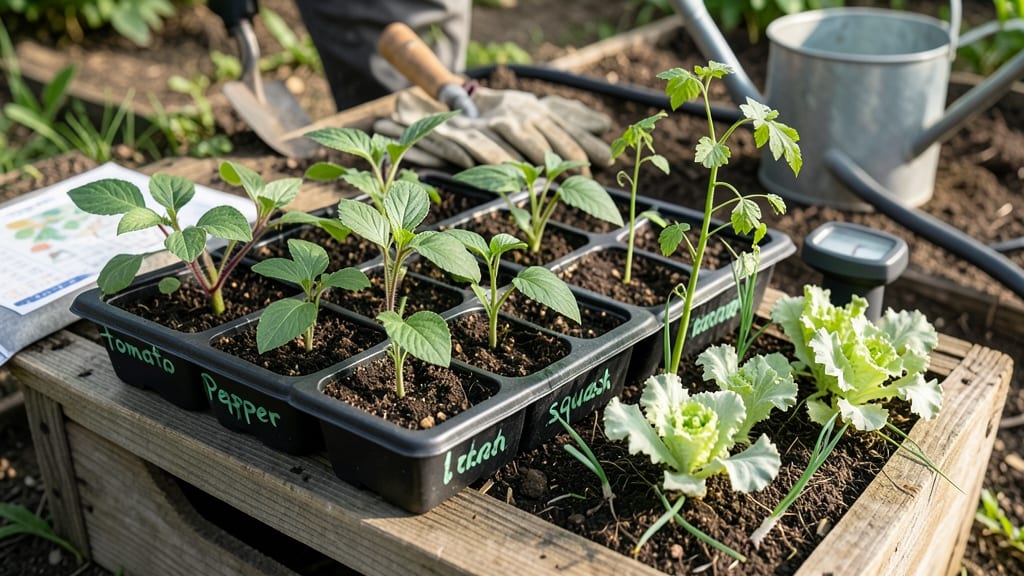
Planting vegetables in Oklahoma isn’t just about tossing seeds into the dirt—it’s about timing them perfectly to beat the state’s unpredictable swings from frost to scorching heat. If you want a garden that thrives instead of bolts or wilts, knowing the exact months to plant is your secret weapon.
Oklahoma’s diverse climate zones—from the cooler eastern regions to the hotter panhandle—mean your neighbors might be harvesting while you’re still waiting for soil to warm.
I’ll break down the science-backed windows for cool-season crops like lettuce and spinach, plus heat-lovers such as tomatoes and peppers, so you can avoid common mistakes that sabotage yields.
Whether you’re working with raised beds in Oklahoma City or container gardens in Tulsa, these precise planting dates account for microclimates and last-frost averages. No more guessing—just a foolproof schedule to maximize your harvest before summer’s relentless sun takes over.
Ready to transform your garden from a gamble to a guaranteed success? Let’s dive into the exact months and pro tips to make every seed count.
Oklahoma’s planting zones & exact months for cool-season vegetables (no bolt risk)
Oklahoma’s USDA hardiness zones 6b-8a create a unique challenge for cool-season vegetables like lettuce, spinach, and broccoli. The key to avoiding premature bolting (when plants flower too early) lies in planting at the right soil temperature—typically between 40°F and 60°F.
In Oklahoma, this means starting seeds indoors or in a cold frame as early as February in southern zones (like Oklahoma City) or March in northern areas (like Tulsa).
For direct sowing, wait until the last average frost date—typically mid-March to early April in most of Oklahoma—but always check your local Almanac frost predictions. Southern Oklahoma (zones 7b-8a) can plant 2-3 weeks earlier than the panhandle (zone 6b).
The goal is to give these vegetables 60-80 days of cool weather before summer heat sets in.
Here’s the critical timeline for zero bolt risk:
| Plant | Ideal Planting Window | Soil Temp | Notes |
|---|---|---|---|
| Lettuce (Leaf) | Feb (indoors) - Mar (outdoors) | 40°F-60°F | Succession plant every 2 weeks |
| Spinach | Feb-May (fall) or Sep-Oct | 45°F-55°F | Avoid summer heat |
| Broccoli | Mar-Apr or Aug-Sept | 50°F-60°F | Harvest before bolting |
| Kale | Feb-Mar or Aug-Sept | 40°F-65°F | Tolerates light frost |
| Onions (Sets) | Feb-Mar | 40°F-50°F | Plant 6 weeks before last frost |
One of my biggest mistakes was planting spinach in late April—by May, the 90°F+ days sent it bolting in weeks. Instead, I now use shade cloth (30-50%) to extend the season for heat-sensitive greens.
For broccoli and kale, I also plant a second crop in late summer (August-September) to harvest before the first frost in November.
To test if your soil is ready, use a soil thermometer—cool-season crops need consistent temperatures below 70°F. If your soil heats up too quickly (common in raised beds), water deeply in the evening to cool it down.
Mulch with straw or grass clippings to maintain even temperatures and retain moisture.
For northern Oklahoma (zones 6b-7a), like in Lawton or Altus, push planting dates back by 2-3 weeks due to later last frost dates (typically mid-April).
In contrast, southern Oklahoma (zones 7b-8a), such as Oklahoma City or Tulsa, can start as early as late February for cold-hardy crops like kale and peas.
Pro tip: Use row covers to protect seedlings from late spring frosts, which can still occur in Oklahoma until mid-April. I’ve saved entire plantings of lettuce and peas by covering them on 28°F nights—even in May!
Pair this with drip irrigation to keep soil moisture steady, as Oklahoma’s windy conditions can dry out young plants quickly.
Remember, succession planting is your best friend. For leaf lettuce, sow new seeds every 2-3 weeks from March through May to ensure a continuous harvest. This works especially well in container gardens or raised beds, where you can rotate crops more easily.
Finally, keep an eye on the Oklahoma Mesonet for real-time soil and air temperature data. Their free online tools help me adjust planting dates based on localized weather patterns—saving me from another bolting disaster!
With these precise windows, you’ll avoid the heartbreak of wasted seedlings and enjoy crisp, homegrown greens all season. 🌱
Heat-tolerant vegetables: Oklahoma’s warm-season planting schedule (avoid wilting)
Oklahoma’s warm-season vegetables like tomatoes, peppers, and squash thrive when soil temperatures hit 60°F+. Planting too early risks stunted growth, while waiting too long shortens the harvest window before fall frosts. For USDA zones 6b-8a, aim for mid-April to mid-June—but adjust based on your microclimate.
In Oklahoma City, urban heat islands can push planting dates 2 weeks earlier than rural areas. Use a soil thermometer to confirm readiness—warm-season crops need 70°F+ soil to germinate.
My go-to varieties include heat-resistant tomatoes like 'Celebrity' and peppers like 'Jalapeño M', which handle Oklahoma’s 90°F+ afternoons better than others.
Extend your warm-season harvest with shade cloth (30-50%) to protect plants from Oklahoma’s intense July sun. I’ve seen tomato yields increase by 40% by using shade during peak heat. Mulch with straw or grass clippings to retain moisture—critical during our dry spells.
For succession planting, sow bush beans every 2 weeks from May to July, and lettuce in late summer for fall harvests. This maximizes space and ensures fresh produce year-round. My fall-planted kale thrives when seeded in August, sweeter after light frosts.
Watch for heat stress signs like wilting leaves or blossom drop—immediate shade and watering can save your crop. In western Oklahoma, where nights stay cooler, you can plant 1-2 weeks later than eastern regions. Always check your local Cooperative Extension Service for frost date updates.
Pro tip: Use row covers for early warm-season starts to protect from late frosts. I’ve used them to plant tomatoes in early April with zero frost damage. Pair this with drip irrigation to keep roots consistently moist—Oklahoma’s windy conditions dry soil quickly.