
Plants
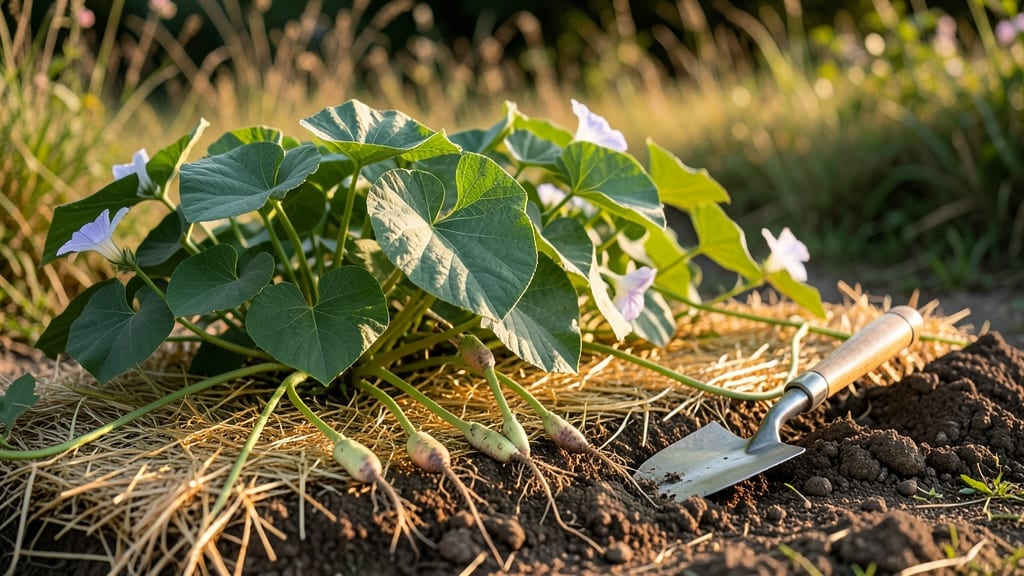
If you're dreaming of a fast, bountiful harvest of 🍠 sweet potatoes in Alabama, timing your planting is the single most important decision you'll make.
Alabama's humid subtropical climate demands precision—plant too early, and frost will nip your young slips in the bud; plant too late, and your harvest window shrinks faster than summer heat in July.
The key to success isn't following a calendar date—it's waiting for the soil to warm to 65°F, a trigger most Alabama gardeners overlook. Unlike northern states, our 7b-8a zone means you can push planting later than traditional advice suggests, but only if you test that soil temperature first.
This small step could mean the difference between 90-day tubers and a disappointing 120-day wait.
I'll show you exactly how to read Alabama's climate signals—from tracking soil warmth to avoiding the 5 critical mistakes that ruin germination in our heat and humidity.
Whether you're planting slips or seeds, these insights will help you time your sweet potato season for maximum speed and yield, no matter where you are in the state.
Ready to grow 🍠 sweet potatoes that outpace the competition? Let's get your Alabama garden prepped for a harvest that'll have your neighbors asking for slips of their own.
Sweet potato planting dates in Alabama by soil temperature (not calendar months)
Alabama’s humid subtropical climate makes soil temperature the #1 factor for successful sweet potato planting—not the calendar date. Unlike northern states, your sweet potatoes won’t germinate well if planted when the air is warm but the soil is still chilly.
Aim for 55-65°F soil temperature (measured 4 inches deep) to trigger consistent sprouting. In North Alabama (USDA Zone 7b), this typically aligns with mid-April to early May, while South Alabama (Zone 8a) can start as early as late March.
Most gardeners mistakenly follow calendar-based advice (like "plant in spring"), but Alabama’s late frosts (often until March 15) and fast soil warming mean calendar dates are unreliable. For example, Birmingham’s soil hits 65°F by April 10, while Mobile reaches it by March 20.
Always check soil temp before planting—cold soil delays germination by 2-3 weeks or worse.
To test your soil temperature, use a soil thermometer (available for $10 at garden centers). Stick it 4 inches deep and wait 30 minutes for an accurate reading. If it’s below 55°F, wait—even if the air feels warm.
Sweet potatoes are sensitive to cold soil, and planting too early leads to rotten slips or stunted growth. Pro tip: Warm your soil faster by covering beds with black plastic mulch 1-2 weeks before planting.
| Region | Ideal Soil Temp | Planting Window | Notes |
|---|---|---|---|
| North Alabama (Huntsville, Decatur) | 55-65°F | Mid-April to early May | Later frosts; use mulch to warm soil |
| Central Alabama (Birmingham, Montgomery) | 55-65°F | Late March to April 15 | Moderate humidity; watch for fungal risks |
| South Alabama (Mobile, Dothan) | 55-65°F | Late February to March 30 | Earliest planting; heat stress risk if planted too early |
| All Regions | Minimum 65°F for germination | After last frost date | Use slips (not seeds) for faster harvests |
Alabama’s humid climate also means fungal diseases like black rot thrive in cool, wet soil. If you plant too early (before soil hits 65°F), your slips may rot at the stem. To prevent this, raise beds 6-12 inches high to improve drainage, or plant on mounds instead of flat ground.
Another trick: Soak slips in a fungicide solution (like copper-based spray) for 10 minutes before planting if your soil stays damp.
For fastest germination, plant slips (young plants) instead of seeds. Slips are available at local nurseries starting in March and are already hardened off for Alabama’s heat. If you grow from seed, start them indoors 8-10 weeks before your last frost date (use heat mats to keep soil warm).
Seed-grown sweet potatoes take 2-3 weeks longer to mature than slips, cutting your harvest window short in Alabama’s short growing season (only ~215 frost-free days).
Don’t fall for the myth that sweet potatoes can handle frost—they cannot. Even a light frost after planting will kill young vines. Use frost cloth if late frosts threaten after planting, but remove it once soil warms to 60°F to avoid overheating.
In South Alabama, you can sometimes get a second planting in early July for a fall harvest, but this requires shade cloth to protect slips from 90°F+ temperatures, which cause heat stress and poor tuber formation.
If you’re in doubt about your local planting window, check Alabama’s Agriculture & Industry Department frost maps or ask your county extension office for hyper-local advice. They track soil temps and can predict your exact planting date based on recent weather patterns.
For example, 2023’s early warm spell had North Alabama gardeners planting 2 weeks early—but half their slips rotted due to cold soil. Timing is everything in Alabama’s unpredictable spring weather.
Once your soil hits the sweet spot of 65°F, plant slips 12-18 inches apart in rows 3-4 feet apart to account for their 15-20 ft vines. In Alabama’s heat, mulch heavily with straw or pine needles to retain moisture and keep roots cool.
Without mulch, soil temps can exceed 95°F, shocking the roots and reducing yields by 30-40%. Water deeply 2-3 times per week after planting to encourage tuber formation.
Remember: Alabama’s hurricane season (June-November) can delay harvests, so plant early varieties like ‘Beauregard’ (90 days) if you’re in coastal areas. For inland gardeners, ‘Covington’ (110 days) is a safer bet. The key to Alabama sweet potato success? Plant when the soil is warm, not when the calendar says spring.
Sweet potato planting dates in Alabama by soil temperature (not calendar months)
Alabama’s humid subtropical climate means soil temperature, not calendar dates, determines when to plant sweet potatoes. Unlike northern states, Alabama’s last frost (around March 15) isn’t the trigger—warm soil is.
Sweet potatoes need soil at 55-65°F to germinate properly, and planting too early in cold soil leads to rot or stunted growth.
Most Alabama gardeners wait until late April to early June because this aligns with soil warming naturally. However, North Alabama (USDA Zone 7b) may need to wait until mid-May, while South Alabama (Zone 8a) can plant as early as late March if soil is warm enough.
Always check with a soil thermometer before planting.
🌱
| Region | Ideal Planting Window | Soil Temp Requirement | Key Consideration |
|---|---|---|---|
| North Alabama (Zone 7b) | Mid-May to early June | 55-65°F (wait for warmth) | Later frost risk; use black plastic mulch |
| Central Alabama (Zone 7b-8a) | Late April to mid-May | 60-65°F (soil thermometer check) | Balanced heat and humidity |
| South Alabama (Zone 8a) | Late March to April | 55-60°F (earlier warmth) | Humidity can cause fungal issues |
Alabama’s humid climate also means traditional “spring planting” advice often fails. Sweet potatoes hate soggy soil and cold snaps, which are common in Alabama’s shoulder seasons. If you plant too early, your slips may rot before sprouting.
Conversely, planting too late (after June 15) risks harvesting before frost (around November 15), leaving tubers underdeveloped.
For fastest germination, use slips (young plants) instead of seeds. Slips thrive when soil is 60°F+, and Alabama’s nurseries often sell them starting in April.
If you’re growing from seed, start them indoors in February and transplant after soil warms. Always harden off slips for 3-5 days before planting to reduce transplant shock.
Pro tip: Warm your soil faster by covering beds with black plastic mulch 1-2 weeks before planting. This raises soil temperature by 5-10°F, helping slips establish roots quickly in Alabama’s unpredictable spring weather. ☀️