
Plants
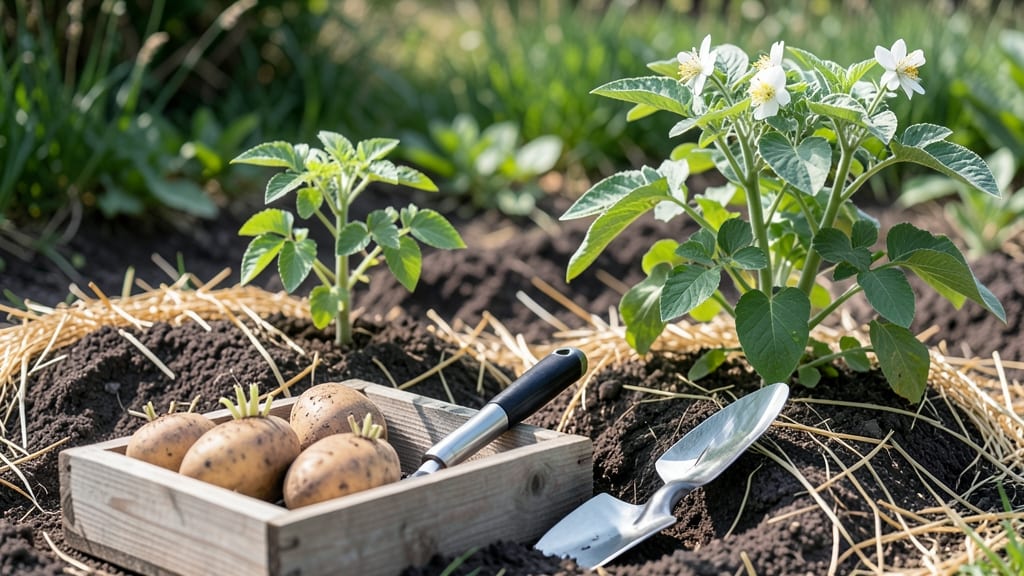
Timing when do you plant potatoes in Indiana right can mean the difference between a thriving harvest and wasted effort—especially when Indiana’s spring weather plays hard to predict.
Whether you’re a first-time gardener or a seasoned grower, knowing the exact windows for planting 🥔 varieties like Yukon Gold or Kennebec is key to avoiding frost damage and maximizing your yield.
Most Indiana gardeners should start planting seed potatoes as early as late February (if soil is workable) through early April, but the real secret lies in soil temperature—not just calendar dates.
Aim for 45°F soil, which typically aligns with 2-4 weeks before your last frost (around April 15 for Zone 6a). This timing gives cold-hardy varieties the jumpstart they need to establish roots before summer heat sets in.
Here’s the game-changer: early varieties like Red Pontiac mature in just 90 days, while late varieties like Purple Majesty take up to 120 days.
We’ll break down how to match your planting schedule to your harvest goals, plus pro tips to prep your soil and space your rows for optimal growth—no guesswork required.
Ready to turn your Indiana garden into a potato powerhouse? Let’s dive into the exact planting calendar, variety recommendations, and foolproof techniques to ensure your 🥔 crop thrives from seed to harvest—regardless of whether Mother Nature throws a curveball your way.
Indiana potato planting calendar: exact start dates by Zone and soil temperature
Indiana’s USDA zones 5-6 create unique challenges for potato growers, with northern Indiana facing later frost risks than southern Indiana. The key to success? Planting when soil temperatures hit 40-50°F and using last frost dates as your guide—not calendar dates.
In most of Indiana, this means starting as early as late February in southern regions to mid-April in northern areas.
For northern Indiana (zones 5a-5b), aim to plant 2-4 weeks before your average last frost date, typically around April 15. Southern Indiana gardeners can push the envelope and plant as early as March 1, especially if using row covers or cold-hardy varieties.
The goal is to get tubers established before soil warms above 60°F, which can stress young plants.
Here’s how to adjust your planting timeline based on Indiana’s microclimates:
| Indiana Region | USDA Zone | Last Frost Date | Ideal Planting Window | Soil Temp Requirement |
|---|---|---|---|---|
| Northern Indiana (e.g., Fort Wayne, South Bend) | 5a-5b | April 15-May 1 | April 1-15 (early varieties) | 45-50°F |
| Central Indiana (e.g., Indianapolis, Muncie) | 6a | April 1-15 | March 15-April 1 | 40-48°F |
| Southern Indiana (e.g., Evansville, Bloomington) | 6b | March 20-April 5 | February 20-March 15 (with row covers) | 40-45°F |
Pro tip: Use a soil thermometer to confirm temperatures before planting. Cold soil can delay sprouting, while warmer soil (>55°F) may encourage early foliage growth at the expense of tuber development.
If your soil is too cold, opt for late-blight-resistant varieties like Red Pontiac or Yukon Gold, which handle cooler conditions better.
For early planting (February-March), consider using row covers or a cold frame to protect young plants from late frosts. These methods can extend your growing season by 2-4 weeks, allowing you to harvest new potatoes as early as June in southern Indiana. Just
If you miss the early window, don’t panic—late planting (May) is still viable for longer-season varieties like Kennebec. However, you’ll need to harvest before the first frost (October 15 in most of Indiana) to avoid frost damage to the tubers. For late plantings, focus on disease-resistant varieties to combat Indiana’s humid summers.
One common mistake Indiana gardeners make is planting too late and expecting a full harvest. Potatoes need 90-120 days to mature, so if you plant in mid-May, you’ll likely only get small tubers before frost.
Plan ahead by choosing varieties with shorter days to maturity (60-80 days) for late plantings.
To track your local frost dates, check the Indiana State Climate Office or use a frost calendar app. Adjust your planting timeline by 1-2 weeks if you’ve had unusually warm or cold winters—Indiana’s climate is highly variable from year to year. Flexibility is key!
🌱
Best cold-hardy potato varieties for Indiana’s short growing season
Indiana’s short growing season and variable spring weather demand potato varieties that mature quickly while resisting common diseases like late blight and potato scab. The right variety can mean the difference between a bountiful harvest and a disappointing yield.
Here are my top 5 cold-hardy picks that thrive in Indiana’s USDA Zones 5-6, along with their unique strengths.
For early harvests (60-90 days), I recommend Yukon Gold and Red Pontiac. These varieties tolerate cooler soils and produce high yields even when planted in late March or early April. Meanwhile, Kennebec and Fingerlings excel for mid-season planting (April-May) with excellent storage life and disease resistance.
Purple Majesty stands out for its vibrant color and nutrient density, but it requires slightly warmer soil (50°F+). All these varieties handle Indiana’s humid summers better than standard Russets, which are prone to blight in wet conditions.
| Variety | Days to Maturity | Best Planting Time | Disease Resistance | Yield Potential |
|---|---|---|---|---|
| Yukon Gold | 85-95 days | Late March-Early April | Blight, Scab | High (3-5 lbs/plant) |
| Red Pontiac | 70-80 days | Late March-April | Blight, Virus | Very High (4-6 lbs/plant) |
| Kennebec | 90-110 days | April-May | Scab, Blight | High (3-5 lbs/plant) |
| Fingerlings | 75-90 days | Late March-April | Blight, Virus | Moderate (2-4 lbs/plant) |
| Purple Majesty | 90-100 days | April-May (warmer soil) | Blight, Scab | Moderate (2-3 lbs/plant) |
When choosing varieties, prioritize early maturing types if you’re planting in northern Indiana (Zones 5a-5b). These areas have shorter frost-free seasons, so varieties like Red Pontiac or Fingerlings give you the best chance to harvest before the first frost in mid-October.
For southern Indiana (Zones 6a-6b), you can afford slightly later varieties like Kennebec or Yukon Gold, which store well for winter use.
I’ve found that cutting seed potatoes into smaller pieces (each with at least one eye) speeds up germination, giving you a 2-3 week head start on the growing season.
Pro tip: Save seed potatoes indoors in a cool, dark place (40-50°F) until 2 weeks before planting. This ensures they’re ready to sprout as soon as the soil warms up—critical for beating Indiana’s late spring frosts.