
Plants
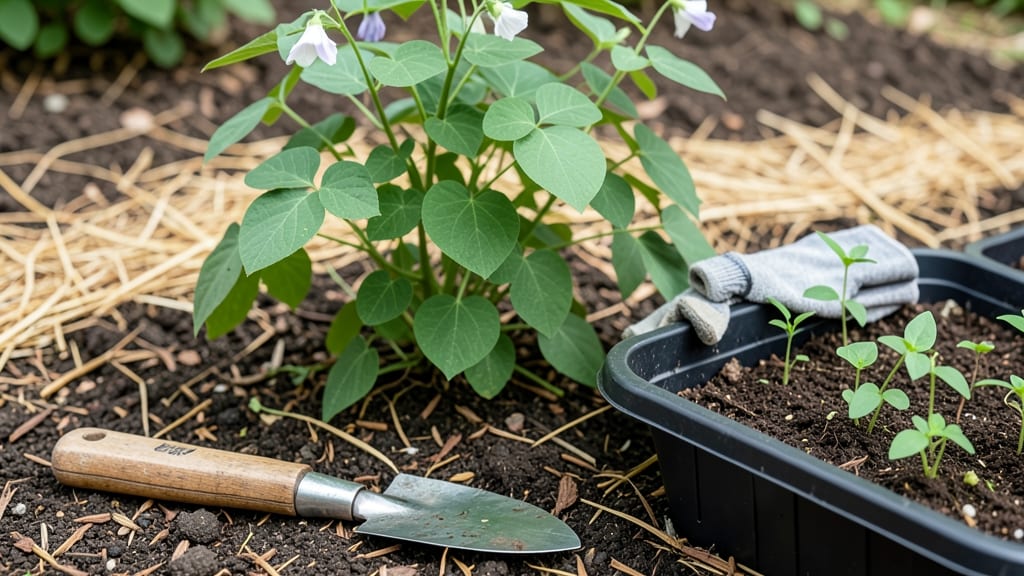
Knowing when to plant green beans in Oklahoma can make the difference between a thriving garden and a disappointing one. With Oklahoma's varied climate—from USDA Zone 6b in the north to 8a in the south—timing is everything to avoid frost damage or stunted growth.
Most gardeners in Oklahoma plant their 🌱 green beans twice a year: once in mid-April to early June for a summer harvest, and again in late July to early August for a fall crop.
But before you grab those seeds, there’s one critical factor to check: soil temperature. Green beans need warm soil—at least 60°F—to germinate properly.
If you’re new to growing green beans, don’t worry—this guide will walk you through the exact planting windows, soil prep tips, and even how to extend your harvest season. Whether you prefer bush beans or pole beans, we’ll cover everything you need to know to get started right.
Ready to grow a garden full of fresh, homegrown green beans? Let’s dive into the best strategies for Oklahoma’s unique growing conditions and ensure your plants thrive from seed to harvest.
Oklahoma’s frost-free dates & ideal green bean planting windows
Oklahoma’s diverse climate means your green bean planting window can vary by 1-2 months depending on whether you’re in northwest or southeastern regions. The state’s USDA Zones 6b-8a create microclimates where last frost dates range from mid-March to early April.
For most gardeners, this means mid-April to early June is prime time for spring planting.
But here’s the catch: Oklahoma’s first frost often arrives between mid-October and early November, leaving a 180-220 day frost-free window. This means you can actually squeeze in two harvests per year—spring and fall—if you plan carefully. Let’s break down the specifics for your region.
⚠️ NON-NEGOTIABLE: Always check your local Almanac’s frost dates or use the National Weather Service for real-time updates. A late frost can wipe out young seedlings in days.
🌱 Oklahoma Green Bean Planting Windows by Region
| Region | Last Frost Date | Ideal Planting Window | Harvest Window | Fall Planting Window |
|---|---|---|---|---|
| Northwest (USDA 6b-7a) | Mid-April | Late April to early May | Late June to August | Late July to early August |
| Central (USDA 7a-7b) | Early April | Early April to late May | Late June to September | Late July to mid-August |
| Southeast (USDA 7b-8a) | Early March | Mid-March to early June | Late April to October | Late June to early September |
*Fall planting should be done 8-10 weeks before first frost for mature harvests.
For bush beans, which mature faster (50-55 days), you can push the envelope slightly.
Plant them as late as early June in northern Oklahoma or mid-June in the south, but expect smaller yields if summer heat arrives early. Pole beans, which take 60-65 days to harvest, need that full frost-free window.
Pro tip: If you’re in Zone 8a (southeast Oklahoma), you can even experiment with winter planting in protected microclimates. Use row covers or cold frames to extend your season into December for early spring harvests.
Always choose heat-tolerant varieties like ‘Blue Lake’ or ‘Contender’ for summer planting. These handle Oklahoma’s 90°F+ temperatures better than traditional types. For fall, opt for ‘Kentucky Wonder’ or ‘Tendergreen’, which mature quickly before frost.
Remember: Soil temperature matters just as much as air temperature. Green beans won’t germinate well below 50°F, so wait until your soil hits 60°F+—even if the air feels warm. We’ll dive deeper into soil prep in the next section.
Soil temperature & green bean seed germination requirements
Green beans won’t sprout reliably until your Oklahoma soil reaches at least 50°F, but for optimal germination, aim for 60°F or warmer.
In northern Oklahoma (USDA zones 6b-7a), this typically happens by mid-April to early May, while southern regions (zones 7b-8a) may hit this threshold by late March. Cold, damp soil is a common culprit for slow or failed germination—green beans hate soggy conditions and can rot before sprouting.
To test soil readiness, use a soil thermometer buried 2 inches deep for 3 consecutive days. If temperatures dip below 50°F at night, cover seeds with a row fabric or black plastic mulch to retain warmth.
I’ve found that planting too early in Oklahoma’s unpredictable spring often leads to seeds sitting dormant for weeks, wasting your time and seed inventory.
Cold Soil Warning
Planting green beans in soil below 50°F risks:
- ❌ Rot before sprouting (seeds turn mushy)
- ❌ Slow germination (2+ weeks to appear)
- ❌ Fungal diseases from damp soil
Pro Tip: Soak seeds overnight in lukewarm water (not hot) to jumpstart germination if soil temps are borderline.
For pole beans, which need trellises, wait until soil reaches 65°F+—their vines grow faster in warmth and can outpace trellis support if planted too early.
I’ve had success with ‘Kentucky Wonder’ pole beans when transplanted after Memorial Day in central Oklahoma, giving them a full 90-day growing season before first frost. Bush beans like ‘Blue Lake’ are more forgiving and can handle slightly cooler soils, but still avoid planting before April 15th in most of the state.
If your spring is unusually cold, consider starter plants from nurseries—transplants handle cooler soils better than seeds. Just harden them off for 7-10 days before moving to the garden.
I’ve also used heat mats under seed trays to shave 1-2 weeks off the germination timeline in chilly years. Never skip soil warming—it’s the #1 reason green beans fail in Oklahoma gardens.
After planting, maintain soil temps above 60°F by watering deeply (but not excessively) and using mulch like straw or grass clippings. I’ve seen 3x faster germination in mulched beds versus bare soil. Monitor for soil crusting, which can suffocate seedlings—gently scratch the surface with a rake if it forms.
Green beans are fast growers (45-65 days to harvest), so timing is everything. In Oklahoma’s short growing season, a 2-week delay in planting can mean missing your first harvest before summer heat sets in.
Use a planting calendar (like the one in Section 1) to map out your exact dates based on your region’s last frost.