
Plants
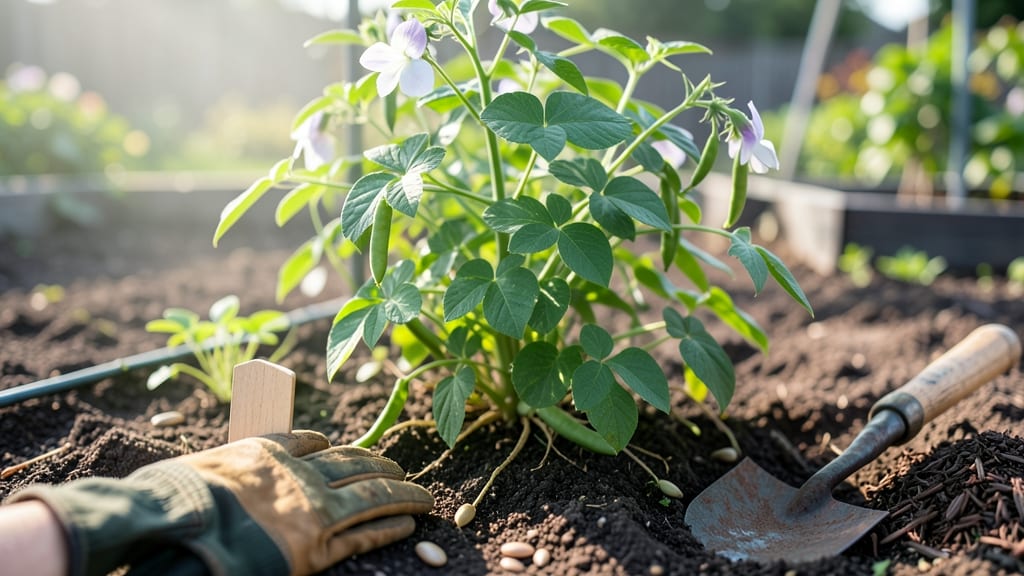
Timing when to plant beans in the ground in Oklahoma could mean the difference between a bumper crop and wasted effort. With the state's 6a-8a climate zones and unpredictable spring weather, planting too early risks bolting, while waiting too long shrinks your harvest window.
I've spent years perfecting the schedule for Oklahoma gardens, and the exact weeks before your last frost date make all the difference. Whether you're growing pole beans, bush beans, or snap peas, knowing when to put those seeds in the ground ensures you'll have fresh pods from June through November.
What you'll discover here are the precise planting windows that align with Oklahoma's frost patterns, soil temperature requirements, and variety-specific needs. We'll cover both spring and fall planting strategies so you can maximize your harvest no matter which season you choose.
Ready to grow beans that thrive? Let's dive into the game-changer planting schedule that will transform your Oklahoma garden from good to outstanding this year.
Oklahoma’s last frost dates & best weeks to plant beans for maximum yield
Oklahoma’s USDA Hardiness Zones 6a-8a create a perfect window for growing beans, but timing matters more than you might think. The last frost date varies dramatically—March 15 in northern OK (like Tulsa) but as early as February 15 in southern OK (like Lawton).
Planting too soon risks bolting (premature flowering), while waiting too long shortens your harvest. Let’s break down the exact weeks before last frost for each bean type to maximize your yield.
For pole beans and bush beans, aim to plant 2-3 weeks before your last frost date once soil temperatures hit 60°F+. This gives seedlings enough time to establish roots before Oklahoma’s heat kicks in.
In southern OK, you can start as early as late February, while northern OK gardeners should wait until mid-April to avoid frost damage.
Here’s the golden rule: Wait until the soil temperature (not air temperature) reaches 60°F. Use a soil thermometer—beans won’t germinate well in cooler soil. In Oklahoma’s clay-heavy soils, warming up can take longer, so consider black plastic mulch to speed up the process.
This simple trick can shave 1-2 weeks off your planting timeline.
| Bean Type | Best Planting Window (OK Regions) | Weeks Before Last Frost | Soil Temp Requirement | Harvest Window |
|---|---|---|---|---|
| Pole Beans (e.g., 'Rattlesnake') | Southern OK: Late Feb - Early April Northern OK: Mid-April - Early May |
2-3 weeks | 60°F+ | June - August (spring) / Oct - Nov (fall) |
| Bush Beans (e.g., 'Blue Lake') | Southern OK: Early March - Mid-April Northern OK: Late April - Early June |
1-2 weeks | 60°F+ | July - September (spring) / Sept - Oct (fall) |
| Snap Peas (e.g., 'Sugar Snap') | Southern OK: Late Oct - Early Nov Northern OK: Mid-Sept - Early Oct |
N/A (cool-season crop) | 40°F+ | Dec - Feb (fall/winter) |
| Fall Planting (All Types) | Southern OK: August 1 - Sept 15 Northern OK: July 15 - Aug 30 |
8-10 weeks before first frost | 60°F+ | Oct - Nov |
🌱 Pro Tip: Use Oklahoma State University’s Frost Date Map for your exact county.
Don’t overlook fall planting—Oklahoma’s mild winters allow for a second harvest if you plant 8-10 weeks before your first frost. In southern OK, this means August 1-September 15, while northern OK gardeners should aim for July 15-August 30.
Fall beans often produce sweeter pods because cooler nights slow down starch conversion.
For succession planting, repeat sowings every 2 weeks after your initial planting. This ensures a continuous harvest and prevents overproduction at once. In Oklahoma’s 90°F+ summers, beans can bolt in as little as 3-4 weeks if stressed by heat, so staggered plantings are key.
Space seeds 1 inch apart and thin to 3-4 inches when seedlings are 2 inches tall.
One common mistake is ignoring microclimates. A south-facing slope in your yard might warm up 2 weeks earlier than your average last frost date. Use this advantage!
Plant heat-loving varieties like 'Scarlet Runner' in these spots for an extended season. Conversely, shady areas (like under trees) will delay germination—avoid planting there.
Check Oklahoma State University’s Mesonet Weather Data for real-time soil temps. Their free alerts notify you when conditions are perfect for planting. This is especially useful in transition zones where a late frost
How to avoid bolting: soil temperature, variety selection & succession planting tips
Oklahoma’s heat can turn eager bean seedlings into bolt-prone disasters if planted too early. The key to preventing premature flowering is soil temperature—beans need at least 60°F soil to thrive. Test your soil with a thermometer; if it’s cooler, use black plastic mulch to warm it faster. Planting before the last frost but after soil hits 60°F ensures strong roots and delayed bolting.
Another critical factor is variety selection. Heat-tolerant varieties like ‘Rattlesnake’ pole beans or ‘Blue Lake’ bush beans handle Oklahoma’s summers better than delicate heirlooms. These varieties also have longer days to maturity, giving you more flexibility in planting windows.
Check seed packets for “heat-tolerant” labels—it’s your first line of defense against bolting.
Succession planting is your secret weapon for a longer harvest window. Instead of one big planting, stagger seeds every 2-3 weeks from April through June. This ensures a steady supply of fresh pods while also reducing bolting risk—younger plants in the mix stay cooler and grow slower. For example, plant your first batch in mid-April, then follow up in early May and late May.
If you’re planting in fall, aim for late summer (around August 1) when soil temps start dropping. Beans planted in September may not mature before frost, but an early August start gives them 8-10 weeks to produce before cold sets in.
Use row covers to extend the season if needed.
Finally, water consistently—fluctuations stress plants and trigger bolting. Keep soil evenly moist (not soggy) and mulch heavily to maintain stable temps. Avoid overhead watering at night, which promotes fungal diseases like rust, another bolting trigger.
With these tips, you’ll skip the bolting blues and enjoy a bountiful bean harvest all season. The secret? Patience + precision—wait for the right soil temp, pick the right seeds, and plant in stages. Your taste buds (and dinner plate) will thank you!