
Lawn
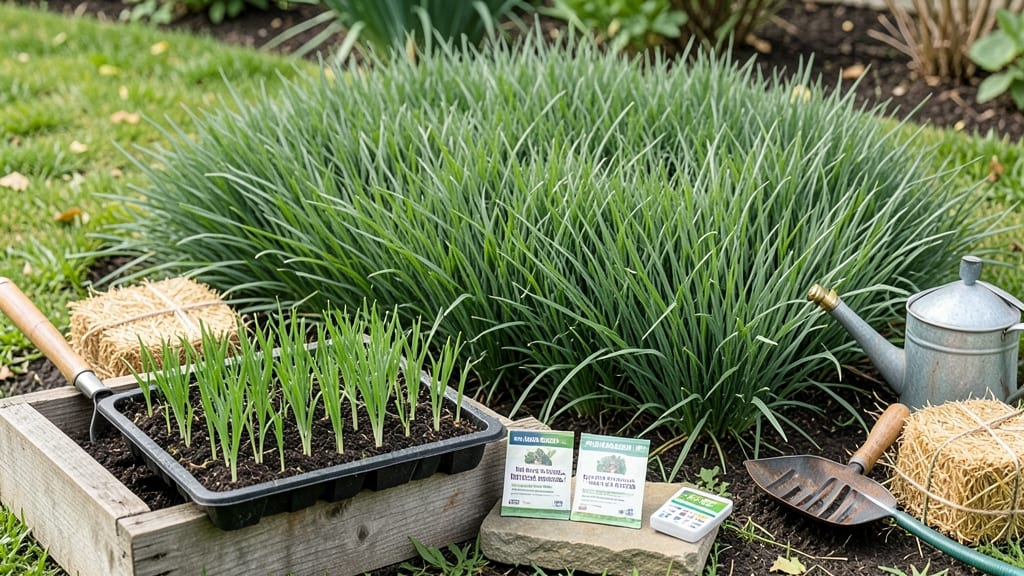
Planting grass seed in Virginia at the wrong time can mean the difference between a lush, green lawn and years of patchy, weak turfgrass that struggles to compete with weeds. With Virginia's 6a-8a climate zones, timing isn't just important—it's everything. The perfect window exists, and missing it by even a few weeks can leave your lawn vulnerable to heat stress, frost damage, or slow establishment.
Most Virginia gardeners know spring and fall are the best times, but the exact dates matter more than you might think. In USDA Zone 6a, for example, planting too early in spring risks frost damage, while waiting too long in fall can leave seeds exposed to winter's harsh conditions.
I'll show you the precise deadlines for both seasons and how to prepare your soil for maximum success.
Why does this matter? Because a well-timed planting gives your grass the strong root growth it needs to outcompete weeds and handle Virginia's summer heat.
You'll discover how to choose between cool-season and warm-season grasses, when to start soil prep, and the critical care steps that keep your new lawn thriving after those first seeds hit the dirt.
Let's get started with the exact planting schedule that works for Virginia's climate—so you can enjoy that perfect green carpet all year long, not just for a season.
Virginia’s best grass seed planting seasons: spring vs fall deadlines explained
Virginia’s climate—with its hot, humid summers and chilly winters—makes timing everything when planting grass seed. The wrong window can lead to slow germination, weed competition, or even seed failure.
Most gardeners agree: fall planting is the gold standard, but spring can work if you follow the rules. Let’s break down the exact deadlines for each season and why they matter.
Your USDA hardiness zones in Virginia (6a–8a) influence when to plant. For example, Zone 6a (like the Shenandoah Valley) has later frost dates than Zone 8a (like Norfolk). This means your planting window shifts slightly depending on where you live.
We’ll cover both seasons in detail, so you can pick the best time for your lawn’s success.
🌱 Fall Planting (August–September) is the preferred time for Virginia lawns because cooler air and warming soil create ideal conditions. Grass seeds germinate quickly, establish deep roots before winter, and wake up strong in spring. In contrast, spring planting (March–April) is riskier—seeds can dry out fast in Virginia’s unpredictable early-spring weather.
For spring planting, aim to finish by mid-April in most of Virginia. This gives seeds time to germinate before summer’s heat arrives. However, if you’re in Zone 8a (like Hampton Roads), you can start as early as mid-March.
The key is to plant when soil temps hit 50°F—use a soil thermometer to check.
Fall planting, on the other hand, offers a 6–8 week window (August through September). This flexibility makes it the safer bet. For example, in Zone 6a, wrap up by September 15 to avoid early frost.
In Zone 7a/8a, you can push it to early October. The goal is to give grass 4–6 weeks of warm soil before the ground cools.
Regional microclimates play a role too. Mountainous areas (like the Blue Ridge) have cooler springs and earlier falls, so adjust your deadlines 1–2 weeks earlier. Meanwhile, Coastal Virginia (like Virginia Beach) can handle slightly later plantings due to milder winters. Always check your local Cooperative Extension Service for updates.
One final tip: If you’re planting warm-season grasses (like Bermuda or Zoysia), spring is your only option—but these aren’t ideal for Virginia’s climate. Stick with cool-season grasses (like Tall Fescue or Kentucky Bluegrass) for year-round success. These thrive in Virginia’s conditions and handle both seasons better.
Now that you know the best times, your next step is preparing the soil. We’ll cover that in detail in the next section, including how to test pH, remove weeds, and set up irrigation for maximum germination rates. Don’t skip this—proper prep is half the battle!
Virginia’s best grass seed planting seasons: spring vs fall deadlines explained
Virginia’s two ideal windows for planting grass seed—spring and fall—offer very different conditions, and choosing the wrong one can mean the difference between a vibrant lawn and years of patchy recovery.
Most Virginia gardeners swear by fall planting because cooler temperatures and consistent rainfall give seeds the perfect environment to establish strong roots before winter. But spring has its advantages too, especially if you missed the fall deadline or need to repair frost damage.
Let’s break down the exact deadlines for each season, including how Virginia’s three distinct climate zones (Coastal Plain, Piedmont, and Mountains) affect timing. Whether you're in USDA Zone 6a (like the Shenandoah Valley) or Zone 8a (like Norfolk), these guidelines ensure your grass gets the best possible start.
🌱 Fall Planting (Superior Choice)
| Zone | Ideal Planting Window | Soil Temp (°F) | Key Benefit |
|---|---|---|---|
| 6a (Mountains) | August 15 – September 15 | 60–75°F | Cooler temps reduce weed competition |
| 7a (Piedmont) | August 1 – September 20 | 65–72°F | Balanced moisture from summer rains |
| 8a (Coastal Plain) | July 20 – September 10 | 70–75°F | Longer growing season before frost |
Fall planting works because Virginia’s soil stays warm while air temperatures drop—perfect for root growth without stressing the seedlings. Aim to plant 4–6 weeks before your area’s first frost (typically mid-November in Zone 6a and late October in Zone 8a).
This gives grass enough time to establish before winter dormancy sets in.
☀️ Spring Planting (Second Choice) If you missed fall, spring is your next best option—but timing is critical. Planting too early risks frost damage, while waiting too long means battling summer heat and weeds. The sweet spot is when soil temperatures consistently reach 60°F, which varies by zone:
• Zone 6a (Mountains): April 15 – May 10 • Zone 7a (Piedmont): March 20 – April 30 • Zone 8a (Coastal Plain): March 1 – April 15 Spring planting requires vigilant weed control and extra watering, as warm-season weeds like crabgrass thrive when grass is still establishing.
Pro tip: If you’re in Zone 8a, you can even plant warm-season grasses like Bermuda or Zoysia in late spring (May), but these won’t handle Virginia’s winters well and are better suited for southern exposures or container gardens.
For most lawns, cool-season grasses (like Tall Fescue or Kentucky Bluegrass) planted in fall are the gold standard.
Ready to pick your season? Fall is my top recommendation for thick, resilient turf with minimal effort—but spring can work if you’re prepared for the extra care. Next, we’ll cover how to prep your Virginia soil for planting like a pro. 🌿