
Plants
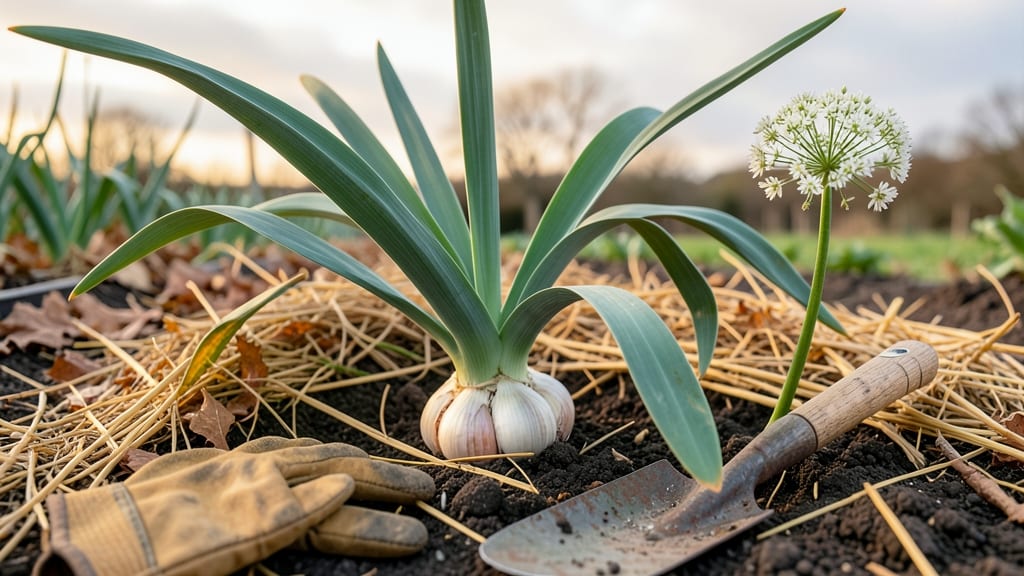
Planting garlic in Alabama at the wrong time can mean the difference between a thriving crop of 🧄 and a disappointing harvest. Whether you're growing hardneck or softneck varieties, timing is everything—especially in zones 7b-8b where winters are mild but summers can be brutal.
Most gardeners in Alabama plant garlic in the fall, specifically between October and November, to give the bulbs time to establish roots before winter.
This timing ensures your garlic gets the 60-day cold period it needs to develop properly, whether you're aiming for hardneck varieties (like Rocambole) or the milder softneck types.
But here's the catch: Alabama's unpredictable weather can throw off even the best-laid plans. If you plant too early, your garlic might bolt in the heat. Too late, and it won’t have enough time to mature before harvest season in April or May.
In this guide, I’ll break down the exact planting window for both hardneck and softneck garlic, plus climate-specific tips to help you avoid common mistakes. Let’s get your garlic off to the best possible start!
Best planting months for garlic in Alabama: hardneck vs softneck breakdown
Alabama’s USDA zones 7b-8b create a unique challenge for garlic growers—hardneck varieties need 60+ days of cold to form bulbs, while softneck varieties tolerate milder winters.
Getting the timing wrong can leave you with small cloves or no harvest at all. Here’s how to nail your planting window for both types.
Most Alabama gardeners plant garlic in October or November, but the exact timing depends on your last frost date and whether you’re growing hardneck (like ‘Silverskin’ or ‘Rocky Mountain’) or softneck (like ‘Artichoke’ or ‘California White’).
Hardnecks need cold vernalization to bulb properly, while softnecks can handle Alabama’s milder winters with some protection.
For North Alabama (zones 7a-7b), aim to plant 4-6 weeks before the first hard frost, typically between mid-October and early November. In South Alabama (zone 8a-8b), where winters are shorter, you can push planting to late October or even early December—but only for softnecks or well-insulated hardnecks.
🌱
| Variety Type | Ideal Planting Window | Cold Requirement | Alabama-Specific Notes |
|---|---|---|---|
| Hardneck | Mid-October to early November | 60+ days below 40°F | Plant in North Alabama; mulch heavily in South Alabama |
| Softneck | Late October to early December | 30-40 days below 40°F | Best for South Alabama; tolerates milder winters |
| Elephant Garlic | Late November to December | Minimal cold needed | Great for late plantings in warm zones |
📅 Pro Tip: Use your average first frost date (Nov 15 for most of AL) as your deadline—plant 6 weeks before for hardnecks.
If you miss the ideal window, don’t panic. You can still plant garlic in January or even February for a smaller harvest, but expect less bulb development. For hardnecks, this means fewer cloves per bulb, while softnecks may still produce but with smaller individual cloves.
Always plant 2-3 inches deep and mulch with 4-6 inches of straw to protect from freezing.
Alabama’s humidity and heat can also affect timing. If your soil stays warmer than 50°F for too long after planting, garlic may sprout too early and bolt before winter. To prevent this, use a soil thermometer and wait until soil temps drop below 60°F before planting hardnecks.
For container growing, adjust your timing by 1-2 weeks earlier than in-ground planting. Containers heat up faster and cool down quicker, so you’ll need to protect them from frost with row covers or cold frames if planted late.
🌿
Remember, harvest time is your real deadline—garlic needs 90-120 days from planting to maturity. In Alabama, this typically means harvesting between late April and early May. If you plant too late, you might not get a full-sized bulb before summer heat sets in.
💡
Best planting months for garlic in Alabama: hardneck vs softneck breakdown
Alabama’s mild winters and hot summers create a unique challenge for garlic growers. The ideal planting window depends on whether you’re growing hardneck or softneck varieties, as they have different cold requirements. Hardneck garlic needs 60 days of cold (below 40°F) to form bulbs, while softneck varieties tolerate milder winters.
For most of Alabama (zones 7b-8b), the sweet spot is planting between mid-October and mid-November. This timing ensures your garlic gets enough cold exposure before the ground freezes, while avoiding the heat of late summer that can cause bolting.
In North Alabama, you can push planting slightly later (up to early December) due to colder winters.
Southern Alabama (like Mobile or Dothan) has milder winters, so gardeners there should plant earlier—ideally by late September to early October. The goal is to give your garlic 4-6 weeks of root growth before the first hard frost (typically around November 15 in most areas).
| Variety | Cold Requirement | Best Planting Window | Notes for Alabama |
|---|---|---|---|
| Hardneck (e.g., Rocambole, Silverskin) | 60+ days below 40°F | Mid-October to mid-November | Best for North Alabama; needs winter chill |
| Softneck (e.g., Artichoke, Silverskin) | 30-45 days below 40°F | Late September to early November | Tolerates milder winters; good for South Alabama |
If you miss the fall window, don’t panic—you can still plant garlic in late winter (February) for a summer harvest. However, bulbs from spring-planted garlic will be smaller and less flavorful than those grown through winter. This method works best for softneck varieties, which don’t require as much cold.
Pro tip: Use a soil thermometer to check that soil temps are below 70°F before planting. Warm soil can cause garlic to sprout too quickly and bolt in Alabama’s heat. Aim for 50-60°F soil temps for ideal germination.
Remember, Alabama’s first frost date varies by region—check your local USDA zone for precise timing. For example, Huntsville (zone 7b) can handle later plantings than Gulf Shores (zone 8b). Adjust your schedule accordingly to maximize your harvest potential!