
Plants
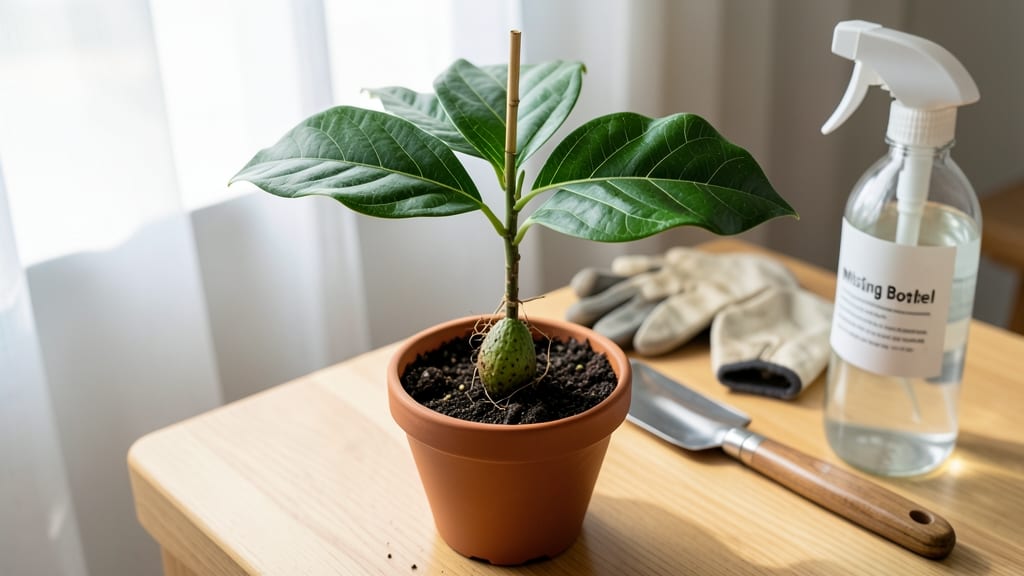
Planting an avocado seed in soil at the wrong time can turn your 🥑 dream into a sad, wilted mess—but get the timing right, and you’ll nurture a thriving young tree.
The key lies in balancing your climate zone with the seed’s delicate growth stages, whether you’re starting indoors or outdoors.
Most gardeners in Zone 6 (or warmer) make the mistake of rushing the process, only to watch their seedlings struggle when temperatures dip. The truth?
Indoor germination can happen year-round, but transplanting into soil should wait until after the last frost—typically spring or early summer—when roots are sturdy enough to handle outdoor conditions.
You’ll learn exactly when to move your seedling from water to soil, how to spot readiness cues like 1-3 inch roots and glossy leaves, and how climate affects your timeline. Skip the guesswork and give your avocado tree the best possible start.
From tropical zones where planting can stretch into fall to cooler regions needing a head start indoors, we’ll break down the perfect window for your location. Ready to turn that pit into a tree? Let’s get growing.
Optimal planting timeline for avocado seeds by US hardiness zone
Timing your avocado seed’s move from water to soil depends entirely on your USDA hardiness zone and whether you’re starting indoors or outdoors.
In Zones 7-11, you can transplant seedlings as early as late winter (indoors), while gardeners in Zones 6 and below should wait until after the last frost date—typically May or June—to avoid frost damage.
Avocado seeds germinate best in warmth (70-85°F), but seedlings are frost-sensitive. If you live in a cooler zone, start your seed indoors in late winter and transition to soil once temperatures stabilize.
In tropical zones (Zones 10-11), you can plant year-round, but spring remains ideal for faster growth.
Here’s a breakdown of the best planting windows by zone, including key cues to watch for before transplanting your seedling into soil.
| Zone | Indoor Start (Germination) | Outdoor Planting Window | Key Cues for Transplant | Frost Risk |
|---|---|---|---|---|
| 6-7 | Late winter (Feb-Mar) | After last frost (May-June) | 1-3" roots, 2-4 leaves | High (avoid before May) |
| 8-9 | Year-round (indoors) | Spring (Mar-May) or Fall (Sep-Oct) | 1-2" roots, glossy leaves | Moderate (light frosts) |
| 10-11 | Year-round (outdoors) | Spring-Summer (Feb-July) | Roots >2", sturdy stem | None (tropical) |
If you’re in Zone 6 or 7, I recommend starting your avocado seed indoors in February or March to give it a head start. By the time outdoor temperatures rise in May or June, your seedling will have 1-3 inch roots and be ready for transplanting.
Harden off your seedling by placing it outdoors for 2-3 hours daily starting 2 weeks before the last frost date.
For Zones 8-9, you have more flexibility. You can plant directly into soil in spring (March-May) or even fall (September-October), as long as nighttime temperatures stay above 50°F. In these warmer zones, seedlings grow faster, and you’ll see new leaves every 2-3 weeks if conditions are ideal.
In tropical zones (10-11), avocado seeds can be planted year-round, but spring and summer offer the best growth conditions. Avoid planting in winter months (Dec-Feb) when humidity drops, as this can stress young seedlings.
If you’re in Hawaii or Southern California, you can even try outdoor germination in a shaded spot before moving to full sun.
Pro tip: Use a seedling heat mat if your home stays below 65°F at night. This speeds up germination and ensures your seedling is robust enough for soil by spring. Once transplanted, protect young trees with burlap wraps if late frosts are possible in your area.
Remember, avocado trees grown from seed are not true to type—they won’t produce fruit like grocery-store varieties. But the journey of growing one from a pit is pure magic, and the timing tips above will set you up for success, no matter your zone.
Signs your avocado seed is ready for soil (not too early, not too late)
Transplanting your avocado seedling too soon can stunt its growth, while waiting too long risks root-bound stress. Look for these 3 key signs that your seedling is ready to move from water to soil: 1-3 inch roots, 2-4 glossy leaves, and a thickened stem.
These milestones show your seedling has developed enough resilience to handle soil.
First, check the roots—if they’ve reached 1-3 inches long and look white and firm, your seedling is ready. Roots shorter than ½ inch aren’t strong enough to support soil, while roots over 3 inches may be root-bound. Balance is key here, as both extremes signal trouble.
Next, examine the leaves. Healthy avocado seedlings develop 2-4 dark green, glossy leaves before transplanting. If you see yellowing or wilting leaves, your seedling needs more time in water or better light. These leaves act as energy factories, fueling root growth for the soil transition.