
Companion Plants
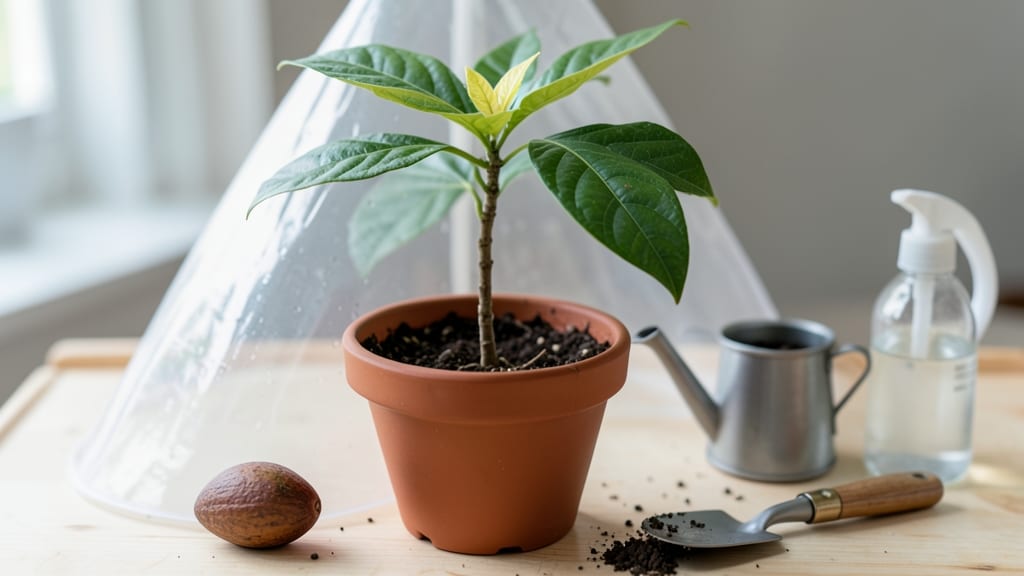
There’s nothing quite like watching a tiny avocado seed transform into a thriving 🥑 tree—but knowing when you can plant your avocado seed in the soil is the key to success. Planting too soon can drown its delicate roots, while waiting too long risks stunted growth or failure.
The secret lies in understanding when your seed is ready to make the leap from water to soil, and how climate plays a role.
If you’re starting indoors, the best time to plant your avocado seed in soil is after it’s developed a strong root system—usually 4-6 weeks into its water germination phase.
For outdoor planting in Zone 6a, aim for April or May, once soil temperatures hit at least 60°F and frost risk has passed. This ensures your young tree has the warmth and stability it needs to thrive.
I’ll walk you through the exact steps to transition your seed without shock, from checking root health to choosing the right soil mix. Whether you’re a beginner or a seasoned gardener, these tricks will help you skip the guesswork and give your avocado tree the fast start it deserves.
Ready to turn that pit into a plant? Let’s dive into the timing, tools, and techniques that make all the difference between a sad, wilted seedling and a lush, growing 🥑 tree.
Best time to plant avocado seed in soil for successful germination
Timing is critical when transitioning your avocado seed from water to soil. Plant too soon, and the seedling may rot from cold soil; too late, and it struggles to adapt. The ideal window is after your seed develops 1-2 inch roots in water—typically 4-8 weeks after starting.
For most climates, this aligns with late spring to early summer, when soil temperatures consistently stay above 60°F (15°C). In cooler zones (USDA 6a-8b), aim for after the last frost date, usually April-May.
Avocado seeds thrive in warm soil and sunlight. If you’re in a tropical or subtropical zone, you can plant year-round, but spring remains ideal. For indoor starters, use a grow light to simulate summer conditions until you transition outdoors.
The key is ensuring your seedling has strong roots and a few leaves before soil contact—this boosts survival rates by 30-40%.
| Climate Zone | Best Planting Window | Soil Temp Requirement | Key Preparation |
|---|---|---|---|
| USDA 9-11 (Tropical) | Year-round (avoid monsoons) | 65°F+ (18°C+) | Use well-draining mix + mulch |
| USDA 6a-8b (Temperate) | April-May (after frost) | 60°F+ (15°C+) | Hardening off for 2 weeks |
| Indoor (Grow Light) | Anytime (year-round) | 70°F+ (21°C+) | Use cactus/succulent mix |
Regional differences matter. In Florida or California, you can plant as early as February if using a greenhouse or grow light. In New York or Chicago, wait until late May to avoid late spring frosts.
Always check your local frost dates—avocado seedlings are frost-sensitive and will die if exposed to temps below 32°F (0°C). For indoor starters, extend the season by using a heat mat to maintain soil warmth.
Before planting, ensure your seedling has healthy roots (no black/mushy spots) and 2-3 true leaves. Weak seedlings struggle in soil, so prioritize root development in water first.
Change the water every 3-4 days to prevent bacteria buildup. Once roots hit 1 inch, it’s time to transition—this usually takes 6-8 weeks.
Soil type is non-negotiable. Avocado trees hate soggy roots, so use a well-draining mix like cactus/succulent blend or add perlite/vermiculite to regular potting soil. For outdoor planting, amend native soil with compost and sand to improve drainage.
A slightly acidic to neutral pH (6.0-7.0) is ideal—test your soil if unsure.
Light exposure accelerates growth. After planting, place your seedling in bright, indirect light for the first week to reduce shock. Gradually introduce full sun (6+ hours/day) over 10-14 days. In shady spots, growth slows by 50%, and the tree may become leggy and weak.
If indoors, position near a south-facing window or use a grow light 12 hours/day.
Watering habits change post-planting. In soil, overwatering is the #1 killer—avocado roots rot in waterlogged conditions. Water deeply once a week (or when the top 1 inch of soil is dry), then reduce to every 10-14 days once established.
Use a self-watering pot or drip irrigation to maintain consistency. Avoid wetting leaves to prevent fungal diseases like root rot.
Fertilizing too soon stunts growth. Wait 8-12 weeks after soil planting before applying a balanced fertilizer (6-6-6 or 10-10-10). Over-fertilizing burns young roots. Instead, focus on organic matter like compost or worm castings to build soil health. Feed lightly every 4-6 weeks during the growing season (spring-fall).
Patience pays off. While your avocado seed may sprout in 4-8 weeks, it takes 5-13 years to bear fruit. The first 2 years are about root and trunk development—prioritize strong structural growth over speed.
Prune leggy stems to encourage bushier growth, but avoid heavy pruning until the tree is 2+ years old. With the right timing and care, your seedling will thrive and reward you with lush, tropical foliage.
Best time to plant avocado seed in soil for successful germination
Timing your avocado seed’s transition from water to soil is critical for avoiding rot or stunted growth. Most seeds develop 1-2 inch roots in water—this is your cue to plant.
For indoor starts, aim for spring or early summer when daylight hours increase, giving your seedling 6+ hours of sunlight daily.
Outdoor planting should wait until after the last frost (typically April-May in USDA Zone 6a). Check soil temperature—it must stay above 60°F (15°C) for roots to thrive. Cooler climates may need to delay until late spring to avoid frost damage.
🌱 Avocado Seed Planting Timeline
| Stage | Action |
|---|---|
| Root Development | Wait 4-6 weeks for 1-2 inch roots in water |
| Soil Prep | Use well-draining mix (50% potting soil, 50% perlite) |
| Indoor Planting | Spring/Early Summer (after roots form) |
| Outdoor Planting | After last frost (soil 60°F+) |
⚠️ Pro Tip: Harden off seedlings for 1-2 weeks before outdoor planting to prevent shock.
If you’re in a warmer climate (Zones 9-11), you can plant outdoors as early as February-March. However, avoid planting before soil temperatures stabilize—fluctuating temps slow root growth. For container gardening, spring planting ensures your seedling gets enough light through shorter winter days.
Watch for yellowing leaves or stunted growth—signs your seedling needs more light or warmer conditions. If planted too early, roots may struggle to absorb nutrients, leading to fungal diseases. Always use a sterilized pot or outdoor bed to prevent contamination.
For indoor growers, place your pot near a south-facing window or under a grow light (12+ hours/day). Outdoor plants should be 10+ feet apart at maturity to avoid competition. Mulch around the base to retain moisture and regulate soil temperature.
Remember: Patience is key. Avocado trees grown from seed may take 5-13 years to bear fruit, but proper planting timing sets the foundation for a healthy start. Start your seed in water by January-February to have it ready for soil by spring!