
Companion Plants
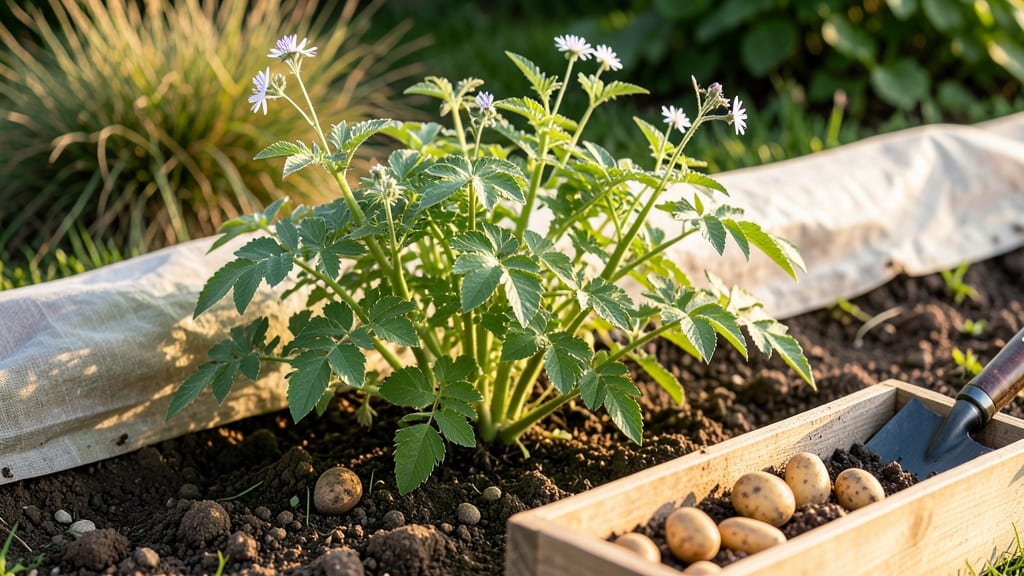
If you're wondering when to plant potatoes in Zone 7, timing is everything—get it right, and you could enjoy a harvest as early as June, but mess it up, and you might end up with stunted tubers or worse.
The key lies in balancing soil temperatures and frost dates, which can vary even within this zone.
Most gardeners in Zone 7 plant their 🥔 potatoes between late February and early April, just before the last expected frost around mid-March. But there’s a trick: some varieties thrive when planted earlier for a spring harvest, while others do better in late summer for a fall crop.
The secret? Knowing your local frost patterns and soil conditions.
You don’t have to guess whether to use seed potatoes or sprouted tubers—both work, but chitting (pre-sprouting) gives you a head start. Once planted, consistent moisture and full sun will ensure your potatoes grow strong. Let’s break down the exact deadlines and tips to maximize your yield.
Whether you're a seasoned gardener or a beginner, these insights will help you avoid common mistakes like planting too early or ignoring soil prep. Ready to dig in?
Zone 7 potato planting deadlines: spring vs fall schedule for best yields
Planting potatoes in Zone 7 requires precision—miss the window, and you risk frost damage or stunted tubers. The key is timing your planting to match soil temperatures and frost dates, which in Zone 7 typically run from mid-March to mid-November.
For most gardeners, spring planting (March–April) yields the largest harvest, but fall planting (September–October) can give you a second crop if done right.
In Zone 7, the last frost date usually falls around March 15, while the first frost arrives around November 15.
This means you’ve got a 6-month window to grow potatoes, but not all varieties thrive in both seasons. Early varieties (like Yukon Gold) are ideal for spring, while cold-hardy types (such as Red Pontiac) work better for fall.
Soil temperature is critical—potatoes need 45–55°F to sprout. In Zone 7, this usually aligns with late March to early April for spring planting. For fall, aim for late August to early September to ensure tubers mature before frost.
Planting too early in fall risks overgrowth, while planting too late leaves tubers underdeveloped.
Here’s the breakdown of optimal planting windows for Zone 7, including soil prep and variety selection:
| Planting Season | Ideal Months | Soil Temp | Variety Type | Days to Maturity |
|---|---|---|---|---|
| Spring | March–April | 45–55°F | Early/Mid-season | 60–90 days |
| Fall | September–October | 50–60°F | Late-season | 90–120 days |
*Adjust for local frost dates—check your USDA Zone 7a/7b specifics.
Spring planting gives you the biggest harvest because potatoes thrive in cool soil and warm air. Plant 2–4 weeks before your last frost date (usually mid-March) to ensure tubers form before the heat of summer. Fall planting, on the other hand, is riskier but can work if you choose longer-maturing varieties and plant early enough to avoid frost.
One trick I swear by? Chitting your seed potatoes before planting. Place them in a cool, bright spot (like a sunny windowsill) 2–4 weeks before planting so they sprout uniformly.
This gives you a head start and ensures all your tubers grow at the same pace. Skip this, and you might end up with uneven harvests or misshapen potatoes.
Another critical factor is soil preparation. Potatoes hate compacted or waterlogged soil, so amend your beds with compost or aged manure at least 2 weeks before planting.
Zone 7’s clay-heavy soils (common in many areas) can suffocate roots, so raise beds if needed or mix in sand or perlite for better drainage. Well-drained soil = bigger, healthier tubers.
Don’t forget to rotate crops—potatoes are heavy feeders and deplete soil nutrients. If you grew them last year, wait 3–4 years before planting again in the same spot to prevent disease buildup (especially blight, which loves Zone 7’s humidity).
Instead, follow them with legumes (like beans) to replenish nitrogen.
Finally, mulch your plants with straw or grass clippings once they’re 6 inches tall. This keeps soil cool and moist, encourages tuber formation, and suppresses weeds. In Zone 7’s hot summers, mulch can mean the difference between a bountiful harvest and small, knobby potatoes.
With these deadlines and tips, you’ll be well on your way to two potato harvests per year—one in early summer and another in fall! Just remember: timing is everything in Zone 7’s unpredictable climate. 🌱
Zone 7 potato planting deadlines: spring vs fall schedule for best yields
Understanding Zone 7 potato planting deadlines starts with your last frost date—typically around March 15—and soil temperatures. Potatoes thrive when soil reaches 45°F (7°C), so aim to plant 2-4 weeks before that date for a spring harvest.
This usually lands in late February to early April, depending on your exact microclimate.
For a fall harvest, you can plant again in late July to early August—just make sure your chosen variety matures before the first frost (November 15). This second planting lets you enjoy fresh potatoes in October or November, extending your growing season dramatically.
🌱 Pro Tip: Use a soil thermometer to confirm temperatures before planting. Cold soil slows sprouting, while warm soil (above 70°F) can cause rot.
📅 Zone 7 Potato Planting Timeline
| Season | Planting Window | Soil Temp | Harvest Time |
|---|---|---|---|
| Spring | Late Feb - Early Apr | 45-60°F | June - July |
| Fall | Late July - Early Aug | 55-65°F | Oct - Nov |
Adjust dates based on your specific last frost date and variety maturity.
If you plant too early, your potatoes may rot in cold soil. Conversely, planting too late risks stunted growth before harvest. Aim for 60-90 days to maturity, depending on your variety. Early varieties like Yukon Gold work well for spring, while Russet potatoes suit fall planting.
After planting, maintain consistent moisture and full sun. Hilling soil around stems every 2-3 weeks encourages larger tubers. Avoid overwatering—1 inch per week is ideal—to prevent disease.
💡 Remember: Zone 7’s humidity can promote blight. Space plants 12 inches apart and rotate crops yearly to keep your potato patch healthy.