
Plants
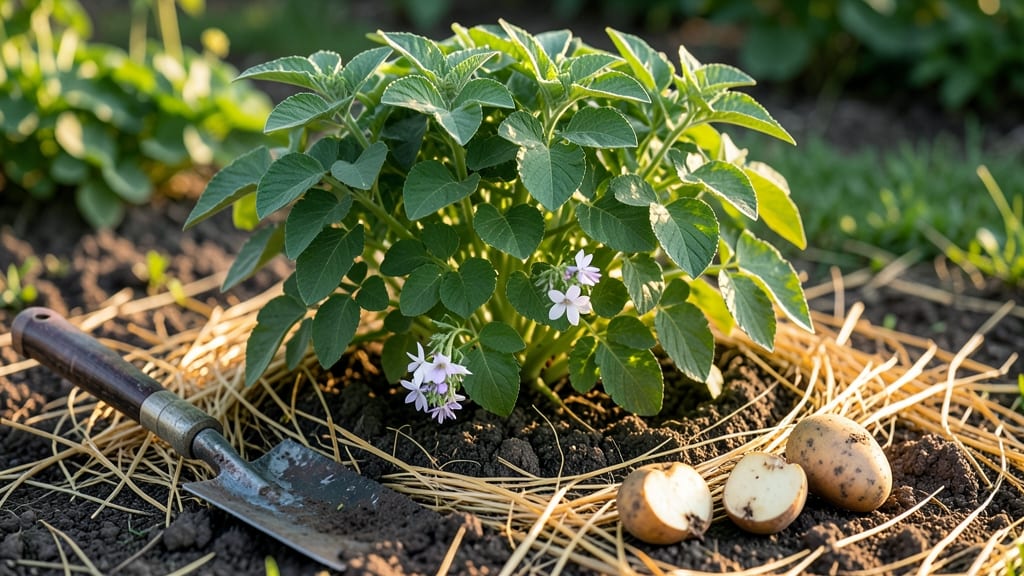
If you’ve ever wondered when can you plant potatoes in Zone 7, timing is everything—and getting it wrong could mean tiny harvests or no harvest at all. The key isn’t just the calendar date but the soil temperature, which most gardeners overlook.
In Zone 7, where winters linger and springs can be unpredictable, planting too early risks frost damage, while waiting too long cuts your growing season short.
I’ve learned the hard way that fast sprouts start with warm soil—around 45°F—not just the first sunny day.
That’s why I now plant my 🥔 tubers 2-4 weeks before the last frost date (usually late February to early March in Zone 7), when the ground is workable but still cool. This gives your potatoes the edge they need to establish roots before the real warmth arrives.
But here’s the catch: not all potatoes thrive on the same schedule. Early varieties like Yukon Gold can handle cooler soils, while late-season types need that 55°F sweet spot to really take off.
I’ll show you exactly how to match your variety to your Zone 7 climate—and why chitting (pre-sprouting) your tubers indoors can shave weeks off your wait time.
Ready to turn your potato patch into a high-yielding success? Let’s break down the exact soil triggers, planting windows, and pro tips that’ll have you digging up those first crisp tubers by June. Your harvest depends on it!
Zone 7 potato planting calendar: exact soil temperature triggers for success
Getting your potatoes in the ground at the right time in Zone 7 means the difference between a 60-day harvest and waiting until summer. Most gardeners focus on frost dates, but soil temperature is the real game-changer.
Potatoes sprout best when soil hits 45°F-55°F—too cold, and they rot; too warm, and they bolt. Let's break down the exact windows for early and late varieties.
In Zone 7, your last frost typically lands around March 15, but potatoes can handle light frosts once planted. The key is planting 4-6 weeks before your last frost date—usually mid-February to early March.
This gives tubers time to establish roots before soil warms to 60°F+, which triggers rapid growth. For late varieties, you can even plant a second crop in late June for a fall harvest.
Here’s the critical timeline based on soil temps and frost dates in Zone 7:
Pro tip: Use a soil thermometer to confirm temps—potatoes won’t sprout below 45°F, even if frost isn’t imminent. If your soil runs cold in early spring, try container growing with heat mats or plant under row covers to warm the soil faster.
This trick lets you start 2-3 weeks earlier than traditional in-ground planting.
For early varieties like Red Norland or Yukon Gold, aim for planting by February 15 in most of Zone 7.
These 60-90 day potatoes need the head start to mature before summer heat sets in. Late varieties like Russet or Kennebec can wait until April, but they’ll need consistent moisture to avoid hollow heart in hot weather.
Don’t overlook late June plantings for a fall harvest! Fast varieties like New Potatoes (e.g., Red LaSoda) mature in just 50-60 days, giving you a second crop before the first frost. Just be sure to use drip irrigation to keep soil moist during summer’s heat.
One common mistake? Planting too deep. In Zone 7’s cooler springs, bury seed potatoes 4 inches deep—not the 6+ inches recommended in warmer zones.
Shallow planting helps them warm up faster and sprout sooner. As they grow, hill soil around stems every 2 weeks to encourage more tuber formation.
If you’re in the northern half of Zone 7 (e.g., Philadelphia, Pittsburgh), err on the earlier side—soil warms slower there. Southern Zone 7 (e.g., Atlanta, Raleigh) gardeners can plant 1-2 weeks later without risking frost damage. Always check your local USDA frost map for precise dates.
Remember: Potatoes hate heat. If your soil hits 70°F+ before tubers form, growth slows dramatically. That’s why early planting is non-negotiable in Zone 7—you’re racing against summer’s arrival. With the right timing, you’ll have homegrown spuds ready by June, just in time for potato salad season!
Zone 7 potato planting calendar: exact soil temperature triggers for success
In Zone 7, your potato planting window hinges on two critical factors: soil temperature and frost dates. Most gardeners focus on the calendar, but I’ve learned that soil temps below 45°F will stall germination—even if the air feels spring-like.
The ideal planting window opens when your soil reaches 45°F to 55°F, typically 2-4 weeks before your last frost date (usually late February to early March in most of Zone 7).
For example, if your last frost date is March 15, aim to plant by February 28-March 1. This timing gives your potatoes enough time to establish roots before the soil warms further.
Late varieties need that 55°F threshold to thrive, while early varieties like Red LaSoda can tolerate cooler soils down to 40°F.
Here’s my foolproof Zone 7 potato planting calendar based on soil temps and frost dates:
| Stage | Action | Soil Temp | Zone 7 Window |
|---|---|---|---|
| Chitting (Pre-Sprouting) | Expose tubers to light | 60°F+ (indoors) | January-February |
| Early Varieties | Plant seed potatoes | 40°F-45°F | Late February |
| Main Varieties | Plant seed potatoes | 45°F-55°F | March 1-15 |
| Late Varieties | Plant seed potatoes | 50°F-55°F | March 15-April 1 |
| Harvest Ready | Dig first tubers | N/A | June-July |
Pro tip: Use a soil thermometer to check temps—don’t guess! I’ve seen gardeners plant too early when the ground is still 38°F, and their potatoes rot in the cold soil. Wait for that 45°F mark, and you’ll see sprouts emerge within 2-3 weeks.
If you’re in a warmer microclimate within Zone 7 (like near the coast), you might push planting to January. But inland areas with colder nights should wait until March to avoid frost damage. Always check your local USDA frost map for precise dates.
For a second crop, you can plant late-season varieties (like Kennebec) in early June after your first harvest. Just be ready to cover them with row fabric if an early frost sneaks in!