
Flowers
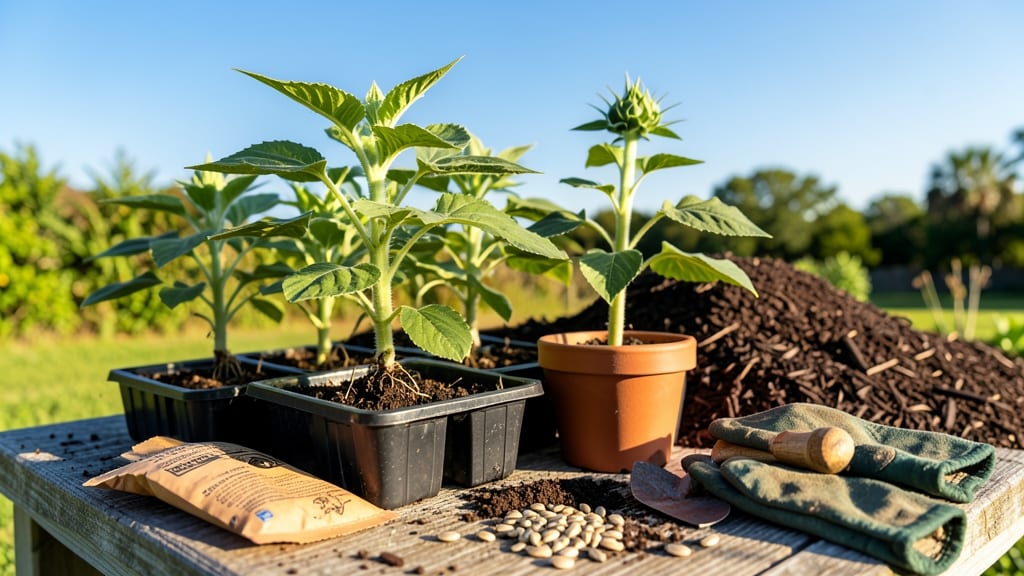
If you're dreaming of a backyard bursting with towering sunflowers 🌻, timing your Florida planting could mean the difference between vibrant blooms and wilting disappointment.
The wrong schedule—whether too early in the chilly north or too late in the sweltering south—can leave your sunflowers struggling before they even get a chance to shine.
Florida’s frost-free growing seasons might make you think sunflowers can be planted anytime, but the heat zones (8a-11) actually create a puzzle. What works in South Florida’s year-round warmth might fail in North Florida’s occasional cool snaps.
The key is understanding when soil warms enough for seeds to sprout without wilting in the afternoon sun.
In this guide, I’ll break down the perfect planting windows for your region—whether you’re in Miami’s balmy climate or Tallahassee’s milder stretches. You’ll discover how to stretch your sunflower season from late winter to early fall, plus which varieties handle Florida’s humidity best.
Ready to grow sunflowers that reach for the sky? Let’s dive into the heat-zone safe dates that’ll turn your garden into a sunflower paradise—without the guesswork.
Florida heat-zone planting calendar for sunflowers: best months by region
Florida’s 10 USDA heat zones (8A-10A) create dramatic differences in sunflower planting success. In North Florida (8A-9A), where last frosts can linger until mid-March, timing is critical to avoid cold-sensitive seedlings.
Meanwhile, South Florida (10A) gardeners enjoy year-round planting opportunities—though summer heat demands special care. Let’s break down the ideal planting windows by region and variety.
For giant sunflowers like ‘Russian Giant,’ aim to plant 60-75 days before your first frost (typically late February to early April in North FL). Dwarf varieties like ‘Teddy Bear’ are more flexible, thriving when planted March through May or even August-September for fall blooms.
The key is soil temperature—wait until it reaches 55°F+ to ensure germination.
Here’s how Florida’s regions compare for optimal sunflower planting windows:
| Region | Heat Zone | Best Planting Months | Soil Temp Threshold | Frost Risk |
|---|---|---|---|---|
| North FL (Panhandle) | 8A-9A | Late Feb–Early Apr Aug–Sep (fall) |
55°F+ | High (Nov–Jan) |
| Central FL | 9A-9B | Feb–May Aug–Sep |
55°F+ | Moderate (Dec–Jan) |
| South FL (Miami, Keys) | 10A | Year-round (best Feb–Apr, Oct–Dec) | 60°F+ | None |
| All Regions | - | Jun–Jul (shade-cloth needed) | 65°F+ | Heat stress |
In North Florida, I recommend starting dwarf varieties indoors in January for transplanting after last frost. For tall varieties, direct sow in March to ensure they reach maturity before fall frosts (typically November 1).
In South Florida, you can plant year-round, but summer plantings require afternoon shade to prevent bolting.
Pro tip: Use black plastic mulch to warm soil faster in spring plantings, or shade cloth (30-50%) for summer sowings. This simple trick can extend your growing season by 2-4 weeks in both directions.
For example, in Orlando (Zone 9B), I’ve successfully grown sunflowers in January by using mulch and a mini greenhouse.
If you’re in Zone 10A, don’t overlook fall planting for winter blooms. Plant in September-October to enjoy holiday-season sunflowers that thrive in cooler temperatures. Just be mindful of hurricane season—secure tall stems with stakes before storms hit.
For container gardening, Florida’s heat zones don’t limit you—just choose dwarf varieties and ensure pots have drainage holes. I’ve grown ‘Moulin Rouge’ in 15-gallon pots on my balcony in Miami year-round, using self-watering systems to combat humidity. The key is consistent moisture without waterlogging.
Remember: Sunflowers are fast growers—they’ll bolt (flower) in 60-90 days. Plan your planting dates accordingly to avoid overwintering in colder zones. In North FL, this means no fall plantings for giant varieties, while South FL gardeners can enjoy three planting cycles per year.
🌻
Florida heat-zone planting calendar for sunflowers: best months by region
Florida’s 10 USDA heat zones (8a-11) create dramatic differences in when you can plant sunflowers without risking heat stress or frost damage. The North Florida zones (8a-9a) need careful timing to avoid late-winter chills, while South Florida (10a-11) can grow sunflowers nearly year-round with proper shade strategies.
For North Florida (zones 8a-9a), aim for mid-March to early April when soil temperatures consistently reach 55°F+. This gives seeds time to germinate before summer’s intense heat arrives. In South Florida (zones 10a-11), you can plant as early as January-February or even September-October for fall blooms.
🌱 Pro Tip: Use a soil thermometer to confirm readiness—seeds won’t sprout below 55°F, even if air temps feel warm.
| Heat Zone | Best Planting Window | Soil Temp Threshold | Frost Risk | Varieties to Try |
|---|---|---|---|---|
| 8a (North FL) | Mid-March to early April | 55°F+ | Low (Jan-Feb) | 'Russian Giant', 'Moulin Rouge' |
| 9a (Central FL) | Late February to May | 50°F+ | Moderate (Dec-Jan) | 'Autumn Beauty', 'Teddy Bear' |
| 10a (South FL) | January-February or Sept-Oct | 60°F+ | None | 'ProCut', 'Dwarf Sunspot' |
| 11 (Miami) | Year-round (with shade) | 65°F+ | None | 'Sunrich Orange', 'Evening Sun' |
If you’re in North Florida (zones 8a-9a), late April plantings can still work for dwarf varieties, but giant sunflowers may struggle with summer heat stress. For South Florida gardeners, September-October plantings avoid the peak summer heat while still producing fall blooms before cooler weather arrives.
🌡️ Temperature Alert: Sunflowers wilt when temps exceed 95°F for prolonged periods. In South Florida’s summer, provide afternoon shade or use lightweight row covers until plants establish deep roots.
For extended blooms, try successive plantings every 2-3 weeks from March to June. This staggered approach ensures continuous color from spring through fall, even in Florida’s variable climate. Just remember: tall varieties need space—at least 2 feet between plants to avoid shading issues.