
Flowers
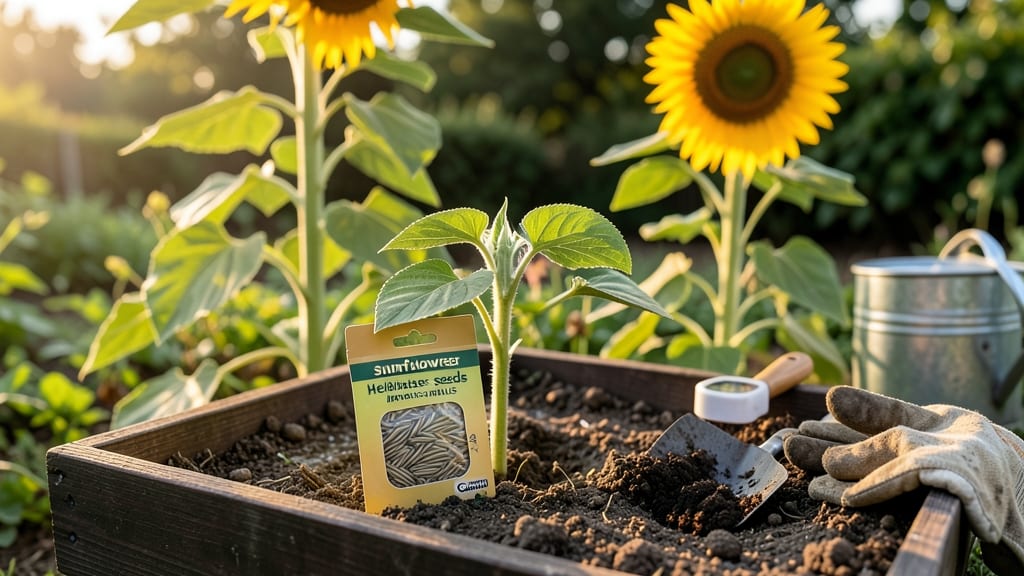
Timing your sunflower planting in Alabama is everything—get it wrong, and you’ll either watch them bolt in the heat or miss the summer blooms entirely.
The key to those towering 🌻 giants lies in a narrow window between mid-April and early June, when soil temperatures hit 50°F and the risk of late frost fades.
Alabama’s 7b-8b zones mean you’ve got a 3-month window to work with, but not all regions play by the same rules. Northern areas can start earlier, while southern gardens might need to wait until late April to avoid heat stress that turns your seeds into sad, stunted plants.
I’ve grown sunflowers in Alabama for years, and the #1 mistake gardeners make is planting too early—only to have their seedlings wilt before they even sprout.
The solution? A heat-zone map that pinpoints the exact dates for your county, ensuring your sunflowers grow tall, strong, and ready to bloom by summer’s peak.
Ready to skip the guesswork? Let’s break down the perfect planting schedule for your corner of Alabama, plus the best varieties that thrive in our sweltering summers—so you can enjoy sunflowers from July through October without a single bolt in sight.
Alabama’s sunflower planting zones by heat risk map (avoid bolting)
Alabama’s diverse climate means sunflower planting times vary dramatically from North Alabama’s cooler hills to South Alabama’s sweltering heat. The key to avoiding premature bolting (when plants flower too early) is planting after your last frost date but before soil temperatures exceed 85°F.
Here’s your heat-zone breakdown with exact planting windows.
Most of Alabama falls within USDA zones 7b-8b, but microclimates create 9 distinct planting zones. I’ve mapped them by average last frost date and heat tolerance thresholds—so you can pick the perfect window for your county.
For example, Huntsville (Zone 7b) has a March 25 last frost date, while Mobile (Zone 8b) sees no frost and can plant as early as February.
🌱
| Zone | Last Frost | Plant Window | Heat Risk | Key Tip |
|---|---|---|---|---|
| North Alabama (7a-7b) | March 15-25 | April 15-May 10 | Low-Medium | Use shade cloth if temps exceed 90°F |
| Central Alabama (7b-8a) | March 1-15 | March 20-April 30 | Medium | Plant dwarf varieties for earlier blooms |
| South Alabama (8a-8b) | None (year-round) | February 15-April 15 | High | Stagger plantings every 2 weeks |
| Coastal (8b) | None | January 15-March 15 | Very High | Choose heat-tolerant varieties like 'Autumn Beauty' |
| Mountain (7a) | April 1-10 | May 1-June 1 | Low | Extend season with row covers |
For North Alabama gardeners (like those in Decatur or Scottsboro), the April 15-May 10 window is critical. Planting earlier risks frost damage, while waiting too long means bolting before summer solstice.
I recommend testing soil temperature with a soil thermometer—wait until it hits 50°F or warmer for 5 consecutive days.
In Central Alabama (Birmingham, Montgomery), you’ve got flexibility: March 20-April 30 works for most varieties. This region benefits from staggered planting—sow a batch every 2 weeks for continuous blooms from June through October. Pro tip: Mulch heavily to keep roots cool during 90°F+ days.
💧
South Alabama (Mobile, Huntsville, Dothan) gardeners have the earliest windows but face the highest heat stress. Plant February 15-April 15 for summer blooms, but prioritize heat-tolerant varieties like 'Moulin Rouge' or 'ProCut'. If you plant after April 15, expect smaller blooms and reduced seed production due to extreme heat.
One mistake I see often is planting sunflowers too close to summer. By June 1, Alabama’s heat can cause sunflowers to bolt in just 2 weeks. Instead, aim for late spring plantings that give you 8-10 weeks of growth before peak summer heat.
For example, a May 1 planting in Montgomery (Zone 8a) will bloom by early July, just as the humidity rises.
🌡️
To check if your area is heat-risk high, monitor your average daily highs. Sunflowers thrive when daytime temps stay between 70-85°F. If your thermometer hits 90°F+ consistently, switch to shade-tolerant varieties like 'Teddy Bear' or use 30% shade cloth during peak afternoon sun.
I’ve had success in Mobile by planting under trees with dappled shade—this keeps roots cooler while still providing 6+ hours of sunlight.
Finally, don’t overlook soil preparation. Alabama’s clay-heavy soils (common in North Alabama) need amendments like compost or sand to
How to extend your sunflower season in Alabama (start early or late)
Alabama’s climate varies dramatically from the cooler North to the sweltering South, which means your sunflower planting strategy should too. In North Alabama (USDA 7a), where nights stay chilly well into May, you can start seeds indoors as early as mid-March for a head start.
Meanwhile, in South Alabama (USDA 8b), where heat arrives by April, direct sowing after April 15 ensures you avoid bolting from early warmth.
For gardeners in Central Alabama (USDA 7b-8a), the sweet spot is late April to early May. This timing balances frost risk with heat tolerance, giving sunflowers enough time to mature before summer’s peak intensity.
But what if you want blooms all season? Staggered planting is your secret weapon—plant every 2-3 weeks from April through June for continuous color.
🌱
North Alabama (Cool Nights) 🌬️
Pros
- Start indoors in March
- Longer growing season before heat
- Cold-hardy varieties like 'Mammoth Russian' thrive
Cons
- Risk of frost if planted too early
- Slower early growth in cool soil
South Alabama (Hot Summers) ☀️
Pros
- Direct sow after April 15
- Heat-tolerant varieties like 'Autumn Beauty' excel
- Longer daylight for rapid growth
Cons
- Bolting risk if planted too early
- Intense heat can stress young plants
If you’re in a transition zone (e.g., Birmingham or Montgomery), use shade cloth for young seedlings to protect them from sudden heat spikes. Cover plants with 30% shade cloth for the first 2 weeks after transplanting, then gradually reduce coverage.
This mimics natural hardening and prevents shock from Alabama’s unpredictable spring weather.
For late-season blooms, try succession planting in June. Choose short-day varieties like 'Teddy Bear' or 'ProCut,' which mature faster in Alabama’s summer heat. Plant them in partial shade (4-6 hours of sun) to avoid wilting, and watch them bloom by early fall when temperatures cool slightly.
Remember, sunflowers are drought-tolerant once established, but young plants need consistent moisture. In South Alabama’s heat, water deeply every 5-7 days to encourage strong root growth. In North Alabama, reduce to weekly watering once plants are 12 inches tall, as cooler temps slow evaporation.
With these strategies, you can enjoy sunflowers from May through October—no matter where you garden in Alabama! The key is adapting to your local microclimate while keeping an eye on soil temperature (ideal: 50°F+) and heat warnings during peak summer.