
Companion Plants
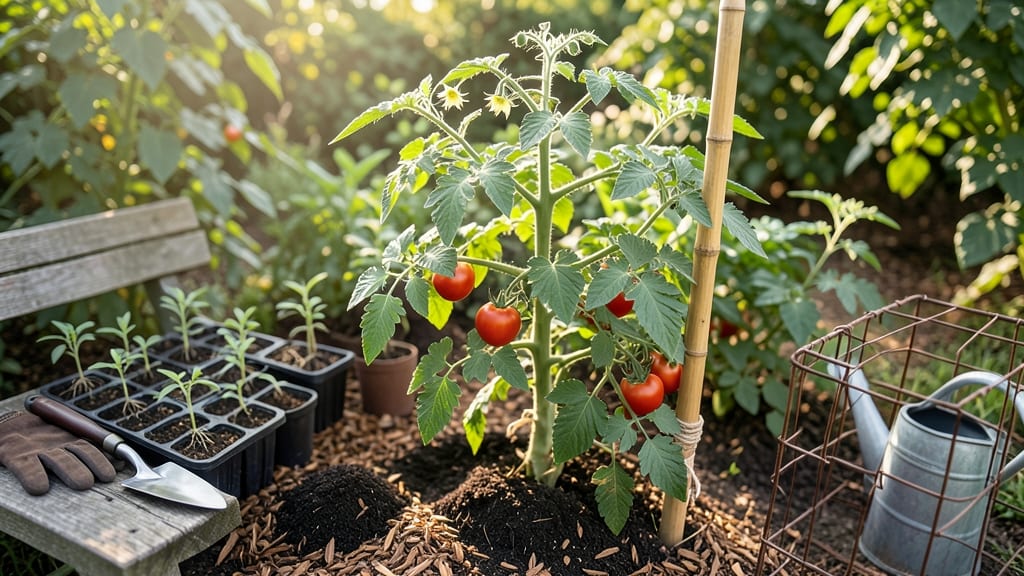
If you’re dreaming of a backyard bursting with juicy 🍅 tomatoes but don’t want to gamble with Florida’s unpredictable weather, when can I plant tomatoes in Florida is the first question you need to answer.
Planting your tomatoes at the wrong moment—whether too early and risking frost or too late and facing scorching heat—can turn your garden dreams into a costly lesson.
Florida’s unique climate, spanning USDA zones 8a-11, means your neighbors in the Panhandle might be shivering while you’re dealing with summer heat in Miami.
That’s why knowing the exact windows for planting—February-March for early varieties or August-September for fall harvests—isn’t just helpful, it’s essential for avoiding stress on your plants and maximizing those sweet, vine-ripened rewards.
I’ve grown tomatoes in Florida for years, and the difference between a thriving plant and a struggling one often comes down to a few weeks of careful planning.
Whether you’re transplanting seedlings or sowing seeds directly, the right timing ensures your tomatoes beat the heat, avoid pests, and deliver a harvest from May to November—without the guesswork.
Let’s break down the science-backed schedule for your region, so you can plant with confidence and enjoy tomatoes that taste like summer all season long.
Florida’s tomato planting zones: exact dates by region (avoiding frost & heat stress)
Florida’s diverse climate zones mean your tomato planting timeline depends on whether you’re in North Florida’s chillier winters or South Florida’s frost-free paradise. The last frost date shifts dramatically—from January 15 in Jacksonville to rarely ever in Miami.
This variation lets you grow tomatoes year-round in some areas, while others stick to spring and fall windows.
For North Florida (USDA Zones 8a-8b), focus on February–March for spring planting, when soil temps hit 60°F+. South Florida (Zones 9a-11) can plant year-round, but August–September is ideal for fall harvests before summer’s brutal heat.
Central Florida (Zone 9a) blends both strategies, with January–March for spring and August–October for fall.
| Region | USDA Zone | Spring Planting Window | Fall Planting Window | Soil Temp Threshold | Heat-Tolerant Variety |
|---|---|---|---|---|---|
| North Florida (Panhandle) | 8a-8b | February 15–March 15 | August 1–September 15 | 60°F+ | 'Celebrity' |
| Central Florida (Orlando) | 9a | January 1–March 15 | August 15–October 1 | 65°F+ | 'Solar Fire' |
| South Florida (Miami) | 10a-11 | Year-round (peak: Jan–Mar) | Year-round (peak: Aug–Oct) | 70°F+ | 'Heatmaster' |
Your soil temperature is the real game-changer. Tomatoes need 60°F+ soil to thrive, but North Florida’s cooler soils may delay planting until March.
Use a soil thermometer—if it’s below 55°F, roots won’t grow properly. South Florida’s warmer soils let you plant earlier, but August heat can stress seedlings, so opt for heat-tolerant varieties like 'Solar Fire' or 'Heatmaster'.
Timing also affects pest pressure. Planting in late spring (May) risks hornworms and whiteflies, while fall planting (August–September) avoids early-season aphid outbreaks. Succession planting—adding new seedlings every 2–3 weeks—extends harvests and reduces pest buildup.
For example, in Central Florida, stagger plants from January 15 to March 1 for a 3-month harvest window.
One critical mistake is ignoring microclimates within regions. A shaded backyard in Orlando may need 2 weeks later than a sun-drenched garden.
Test your spot: If afternoon shade lingers past 4 PM, delay planting by 1–2 weeks or choose determinate varieties (like 'Roma') that ripen faster. Mulch with straw to keep soil temps stable—this is especially vital in North Florida’s fluctuating springs.
For fall planting, aim to harvest before first frost (usually December 15 in North FL, rare in South FL). In Central Florida, September 15–October 1 is ideal—plants mature before cool nights slow growth.
Use row covers to push fall harvests into November, but remove them by October 31 to avoid heat buildup.
If you’re in South Florida, year-round planting is possible, but summer’s 90°F+ days demand shade cloth (30–50%) and daily watering. Heat-tolerant varieties like 'Heatmaster' handle 100°F+ better than standard tomatoes. Prune aggressively to improve airflow—this cuts fungal disease risk by 40% in humid conditions.
Pro tip: Start seeds indoors 6–8 weeks before your region’s last frost date. For North Florida, that’s mid-December for spring planting; South Florida growers can direct-sow anytime.
Use grow lights if natural light is weak—tomatoes need 14+ hours of light daily for strong stems. Hardening off seedlings (acclimating them to outdoor temps) for 1 week before transplanting cuts shock by 50%.
Finally, track your local frost dates using the
How to extend your tomato season in Florida: cold frames, row covers & succession planting
Florida’s long growing season lets you grow tomatoes year-round—but only if you use the right tricks. In North Florida, where frost risk lingers until late January, cold frames and row covers can push your harvest into winter months.
Meanwhile, South Florida gardeners can plant fall varieties as late as September for a cool-season harvest before summer’s brutal heat returns.
Succession planting is another game-changer. Instead of one big spring harvest, stagger your plantings every 2-3 weeks to enjoy ripe tomatoes from May through November.
This works especially well with determinate varieties like 'Celebrity' or 'Roma,' which produce fruit all at once but can be replanted for continuous yields.
The key is understanding your microclimate. Even within a single county, urban heat islands or coastal breezes can shift your ideal planting window by 2-4 weeks. For example, Tallahassee’s last frost is around January 15, but Gainesville’s can be as late as February 1—so adjust accordingly.
3 Critical Mistakes That Waste Florida Tomato Plants
- 🌡️ Planting too close to summer solstice (June-August): Tomatoes bolt (flower prematurely) in 90°F+ heat, leading to bitter fruit or no harvest.
- 💧 Ignoring soil moisture during fall planting: Dry September soils trick plants into dormancy—water deeply before transplanting.
- ❄️ Skipping frost protection in North Florida: Even 32°F can kill young plants; use row covers or black plastic mulch for insulation.
For fall planting, aim for August-September in most of Florida. Start seeds indoors in July and transplant seedlings when soil temps drop below 85°F. Use heat-tolerant varieties like 'Solar Fire' or 'Heatmaster,' which thrive in 80-90°F ranges.
In South Florida, you can even plant a winter crop in October-November for harvests in December-January.
Cold frames are a low-cost hack for North Florida gardeners. A simple wooden box with plastic sheeting can raise soil temps by 5-10°F, letting you plant 4-6 weeks earlier in spring or 2-3 weeks later in fall.
Just ensure ventilation to prevent fungal diseases like early blight, which thrives in humid conditions.
Pro tip: Pair your tomato plants with basil or marigolds to repel pests like hornworms and aphids. In humid Florida, companion planting can cut pesticide use by 50%. And always mulch heavily with straw or grass clippings to retain moisture and suppress weeds.