
Companion Plants
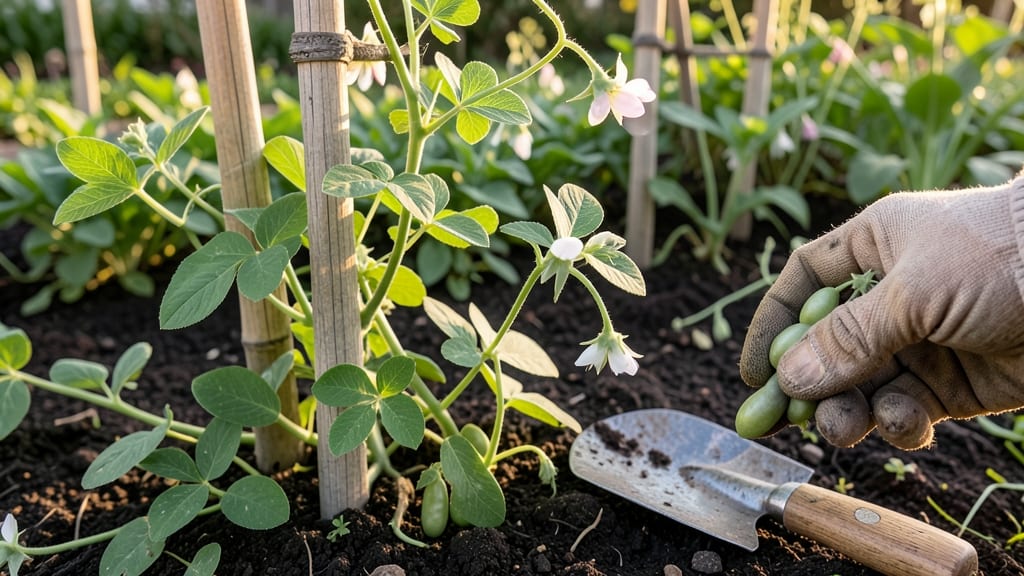
If you're eager to grow your own fresh peas in Zone 5, timing is everything—planting too early risks frost damage, while waiting too long can lead to weak stems and poor yields.
The best window for planting peas in Zone 5 is early spring, typically between March and April, when soil temperatures rise just enough for germination but before the last frost hits.
Peas are one of the first cool-season crops you can sow, giving you a head start on the gardening season. With the right preparation, you can enjoy tender, homegrown peas as early as June or even extend your harvest into fall.
Whether you're a beginner or a seasoned gardener, knowing the ideal planting schedule is key to strong, healthy plants.
In this guide, I’ll break down the exact weeks before last frost to plant peas, how to prepare your soil, and tips for protecting young plants from late frosts.
You’ll also discover why some varieties thrive better in cooler temperatures and how to maximize your harvest. Let’s get those peas growing!
Ready to transform your garden into a pea-filled paradise? The secret starts with perfect timing—and I’ve got all the details to help you succeed. Let’s dig in!
Best weeks before last frost to plant peas in Zone 5 for optimal growth
Peas thrive in cool weather, making them perfect for Zone 5’s early spring. The ideal planting window is 4–6 weeks before your last expected frost, which typically falls in mid-April for most of Zone 5.
This timing ensures strong stems and prevents bolting—when plants produce flowers too early. For example, if your last frost is April 15, aim to plant peas by March 15–March 25.
Soil temperature is critical for germination. Peas sprout best in soil that’s 40–50°F. Use a soil thermometer to confirm—planting too early in cold soil can delay germination for weeks.
In Zone 5, this usually aligns with late March to early April, depending on your microclimate. Warmer microclimates (like near south-facing walls) may allow slightly earlier planting.
Shelling peas (like 'Green Arrow' or 'Lincoln') and snow peas (like 'Oregon Sugar Pod') have slightly different timing needs. Shelling peas need the full 4–6 weeks before frost, while snow peas can tolerate slightly cooler soil and may germinate faster. Adjust your schedule based on the variety you choose—some early varieties (like 'Early Perfection') can even handle light frosts.
Here’s how to calculate your exact planting date: Subtract 6 weeks from your last frost date for early varieties, or 4 weeks for faster-growing types. For instance, if frost hits May 10, plant early varieties by March 20 and faster types by April 10.
Always check your local USDA Plant Hardiness Zone map for precise frost dates—Zone 5a (colder) may need to plant 1–2 weeks later than Zone 5b.
If you’re unsure about your last frost date, use a frost calendar from your local cooperative extension office. For example, in Chicago (Zone 5b), the average last frost is April 10, so plant by March 1–March 15.
In Pittsburgh (Zone 6a), you might push planting to March 20–April 1. Always err on the earlier side—peas can handle light frosts, but warm soil speeds up growth.
For container gardening, plant peas 1–2 weeks earlier than in-ground. Containers warm up faster and may dry out quicker, so use a heat mat if soil temps drop below 40°F. Dwarf varieties like 'Tom Thumb' are perfect for pots, as they mature quickly and don’t need tall supports.
Place containers in a south-facing spot to maximize warmth and light.
Watch for soil moisture after planting. Peas need consistent moisture to germinate, but soggy soil can cause rot. Water gently to keep soil evenly moist (not waterlogged) until sprouts appear. Once seedlings emerge, reduce watering slightly to prevent fungal diseases like powdery mildew, which thrives in damp conditions.
Aim for 1 inch of water per week, delivered in the morning to let foliage dry quickly.
After planting, mark your calendar for succession planting every 2 weeks until mid-May. This staggered approach ensures a continuous harvest and maximizes your garden space. For example, plant a second batch on April 1 and a third on April 15 to enjoy peas from June through July.
Succession planting also reduces the risk of pea weevil infestations, as new plants won’t be synchronized with pests.
Protect young pea plants from late spring frosts (which can occur even after your average last frost date) with frost cloth or row covers. These lightweight fabrics allow sunlight and water to penetrate while shielding plants from temperatures below 28°F.
Remove covers during the day to prevent overheating, and secure edges with bricks or soil to avoid wind damage. This extra step can extend your harvest by 1–2 weeks.
Finally, pair peas with companion plants like carrots, radishes, or lettuce to improve growth and deter pests. Peas fix nitrogen in the soil, benefiting heavy feeders like corn or tomatoes planted later in the season. Avoid planting near onions or garlic, as their strong aromas can inhibit pea growth.
With the right timing and care, your Zone 5 pea patch will reward you with sweet, homegrown pods all summer long. 🌱
Best weeks before last frost to plant peas in Zone 5 for optimal growth
Peas thrive in cool temperatures and can handle light frosts, making them perfect for Zone 5’s early spring. The ideal window is 4–6 weeks before your last frost date, which in Zone 5 typically falls around mid-April.
For most areas, this means planting between late February and early March.
Soil temperature is critical—peas germinate best when soil reaches 40–50°F. Use a soil thermometer to check; if it’s colder, wait or use a cold frame for earlier planting. Early varieties like 'Early Sugar Snap' can handle cooler soils, while slower germinators need warmer conditions.
| Pea Type | Best Planting Time (Zone 5) | Days to Maturity | Notes |
|---|---|---|---|
| Shelling Peas (e.g., 'Lincoln') | 4–6 weeks before last frost (Feb–Mar) | 60–70 days | Cold-hardy; needs trellis support |
| Snow Peas (e.g., 'Oregon Sugar Pod') | 3–5 weeks before last frost (Mar) | 55–65 days | Faster-growing; tolerates cooler soils |
| Snap Peas (e.g., 'Sugar Ann') | 4–5 weeks before last frost (Feb–Mar) | 60–70 days | Sweetest when harvested young |
For late-spring plantings, aim for early April if your last frost is late. Use row covers to protect seedlings from unexpected frosts, which can stunt growth. Avoid planting after mid-April—warm soil (>70°F) causes peas to bolt (flower prematurely) and produce poor pods.
In Zone 5, fall planting is also possible if you start 8–10 weeks before your first frost (typically late July to early August). Choose cold-tolerant varieties like 'Green Arrow' and use black plastic mulch to extend the season by warming the soil.
Test your soil’s pH (6.0–7.0) before planting—peas need phosphorus for strong roots. Mix in compost or aged manure at planting time to boost fertility. Over-fertilizing with nitrogen leads to leafy growth but fewer pods, so use a balanced 5-10-10 fertilizer sparingly.
Mark your calendar for early March and set up trellises before planting—peas need vertical support to avoid disease and maximize space. With the right timing, you’ll enjoy harvests by June, just in time for summer meals! 🌱