
Plants
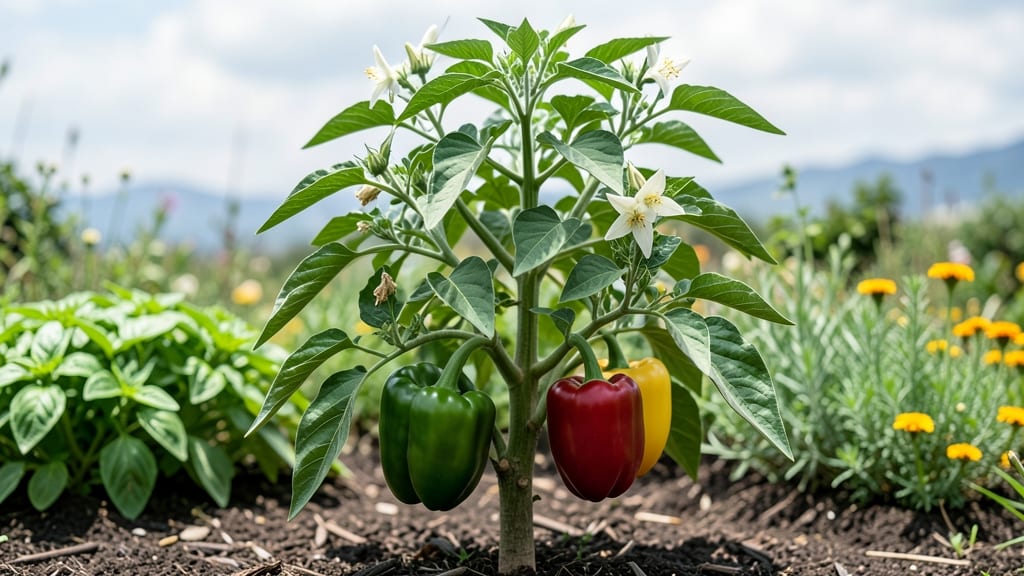
Ever wondered just how tall your 🌶️ pepper plants might grow this season? The answer isn't one-size-fits-all—some varieties stay compact enough for windowsill gardens, while others reach heights that'll make you reconsider your trellis plans.
If you're planning your garden layout or choosing containers, knowing these height ranges is game-changer. Bell peppers typically stay between 2-3 feet, while jalapeños or habaneros can stretch up to 4 feet or more without proper support. The variety you pick directly impacts how much space you'll need.
But here's the kicker: even within the same variety, factors like pruning, sunlight exposure, and soil nutrients can push your plants taller—or keep them more manageable. I'll show you how to control their growth naturally, whether you're working with limited space or dreaming of a towering pepper patch.
Let's break down exactly what to expect from your pepper plants this growing season, so you can plan with confidence and avoid those last-minute space surprises.

Pepper plant height ranges by variety: from dwarf to giant
When planning your garden, knowing the mature height of your pepper plants is crucial. Varieties range from dwarf types that fit perfectly in containers to tall giants that need vertical support.
The height you can expect depends entirely on the variety you choose, with some reaching just 12 inches while others climb to 4 feet or more.
For example, bell peppers like 'Sweet Banana' typically stay between 2-3 feet, making them ideal for in-ground gardens or large containers. On the other hand, jalapeños or habaneros can stretch up to 4 feet without pruning, requiring sturdy trellises or cages.
Even within the same family, growth habits can vary significantly.
If you're working with limited space, dwarf varieties like 'Tiny Tim' bell peppers or 'Mini Jalapeño' are perfect, topping out around 12-18 inches. These compact plants thrive in 5-gallon containers or window boxes, making them ideal for urban gardeners or small patios.
Here’s what you need to know about height ranges for popular pepper varieties—so you can plan your garden layout with confidence:
| Variety | Type | Mature Height | Growth Habit |
|---|---|---|---|
| Bell Pepper ('Sweet Banana') | Standard | 2-3 ft | Bushy, upright |
| Jalapeño ('Early Jalapeño') | Standard | 3-4 ft | Tall, may need support |
| Habanero ('Carolina Reaper') | Standard | 3-5 ft | Very tall, needs trellis |
| Dwarf Bell ('Tiny Tim') | Dwarf | 12-18 in | Compact, container-friendly |
| Mini Jalapeño | Dwarf | 12-18 in | Bushy, great for pots |
| Poblano | Standard | 2-3 ft | Moderate height, bushy |
If you're growing standard-height peppers like bell peppers or poblano, plan for at least 2 feet of space around each plant. These varieties benefit from pruning to encourage bushier growth and prevent them from becoming leggy.
For taller varieties like jalapeños or habaneros, consider installing trellises or cages early in the season to support their height.
For container gardening, stick to dwarf varieties or prune standard-height plants aggressively. A 5-gallon container is ideal for dwarf peppers, while larger pots (at least 10 gallons) work for standard varieties. Just ensure your containers have drainage holes to prevent root rot.
One thing to remember: even within the same variety, growing conditions can influence height. Plants grown in full sun with proper nutrients tend to stay more compact, while those in shady spots or with nutrient deficiencies may stretch taller in search of light.
This is why I always recommend providing 6-8 hours of sunlight daily and using a balanced fertilizer like 10-10-10.
Now that you know what to expect, you can choose the perfect pepper varieties for your space—whether you're dreaming of a towering pepper patch or a compact windowsill harvest. The key is matching the variety to your growing setup and adjusting care to keep plants at your desired height.
Pepper plant height ranges by variety: from dwarf to giant
When planning your garden, knowing pepper plant height ranges helps you choose the right varieties for your space. Some stay small enough for windowsill containers, while others need trellis support or dedicated garden beds.
The difference between a 1-foot dwarf pepper and a 4-foot giant can change how you design your layout entirely.
Height isn’t just about space—it also affects harvest accessibility and plant health. Taller varieties may need staking to prevent stem breakage from heavy fruit loads, while compact types thrive in small pots or hanging baskets.
Let’s explore the height ranges you can expect from common pepper varieties so you can pick the perfect fit for your garden.
| Variety | Mature Height | Growth Habit | Best For |
|---|---|---|---|
| Dwarf Bell Peppers (e.g., 'Patio Baby') | 1–2 feet | Compact, bushy | Containers, small spaces |
| Standard Bell Peppers (e.g., 'California Wonder') | 2–3 feet | Upright, moderate branching | Garden beds, raised beds |
| Jalapeños (e.g., 'Early Jalapeño') | 3–4 feet | Tall, bushy, needs support | Trellises, staking |
| Habaneros (e.g., 'Carolina Reaper') | 3–5 feet | Tall, sprawling, heavy fruit | Strong trellises, large pots |
| Mini Peppers (e.g., 'Snackable') | 1–2 feet | Dwarf, prolific producer | Hanging baskets, decks |
If you’re growing peppers in containers, stick to dwarf or mini varieties—they’ll fit in 5-gallon pots or larger. For garden beds, standard bell peppers or jalapeños work well without extra support, but habaneros and hot peppers often need trellis training to stay upright and prevent disease.
Pro tip: Check seed packets for height estimates, but remember that pruning and sunlight can adjust growth by up to 12 inches. I’ve seen jalapeños stay at 2 feet with aggressive pruning, while neglected plants can stretch to 5 feet or more.
For urban gardeners, consider vertical gardening with tall varieties—it saves space and keeps peppers off the ground, reducing pest risks. Just be sure to harvest regularly to encourage bushier growth.