
How To
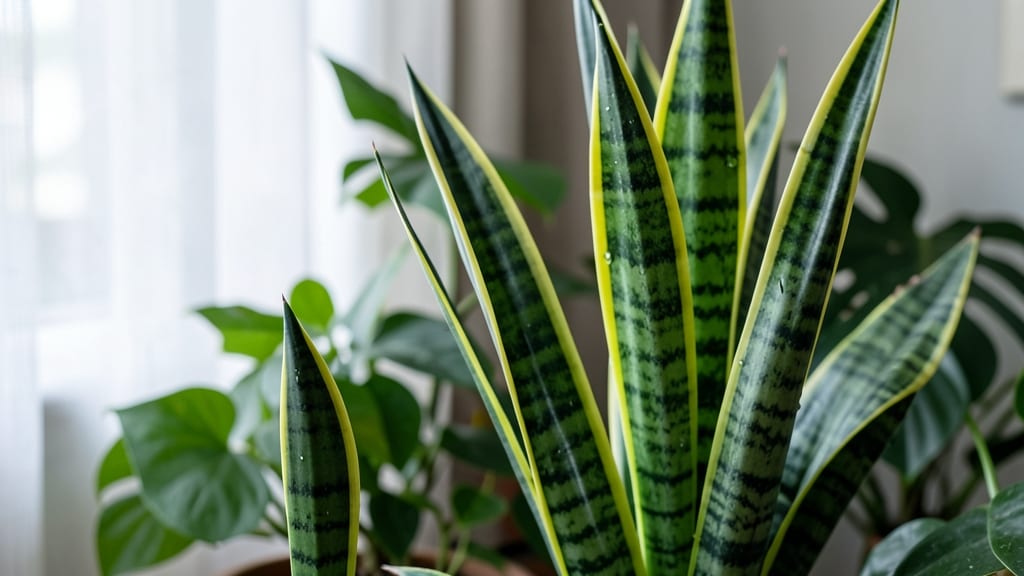
If you’ve ever glanced at your snake plant 🌱 and wondered how tall this plant can grow, you’re not alone—this hardy houseplant has a way of sneaking up on you. Some varieties stretch toward the ceiling like a sleepy skyscraper, while others stay compact enough for a windowsill.
The truth? Your snake plant’s height depends on more than just genetics—light, pot size, and even your care habits play a surprisingly big role.
Outdoors in ideal conditions, snake plants can reach heights of 6 feet or more, but indoors, most stay between 2 and 4 feet tall. That’s perfect for adding vertical interest without overwhelming your space.
The key to controlling its growth lies in understanding its natural tendencies and tweaking a few simple factors—like pruning or choosing the right container.
What surprises many plant parents is that snake plants don’t grow indefinitely—they hit a biological limit based on their variety and environment. Some dwarf types barely top 1 foot, while larger species can tower over you if given the right conditions.
The good news? You don’t need a green thumb to keep your plant at a manageable height.
In this guide, I’ll break down the typical height ranges, the factors that influence growth, and the easiest ways to keep your snake plant at your desired size—whether you want it floor-length or countertop-friendly. Let’s dive in.

Natural height range of snake plants: from floor to ceiling
Snake plants (Sansevieria trifasciata) are famous for their resilience and striking upright growth, but how tall can they really get? The answer depends on several factors, including the specific variety, growing conditions, and whether they're indoors or outdoors.
On average, most indoor snake plants reach 2–4 feet tall, while outdoor specimens can stretch up to 6–12 feet—or even taller in ideal conditions.
Genetics play a huge role in height potential. For example, the ‘Futura Superba’ variety often tops out around 3–4 feet, while the ‘Laurentii’ can grow 4–6 feet indoors with proper care. Meanwhile, wild varieties like Sansevieria cylindrica can reach 10–15 feet outdoors in tropical climates.
Light exposure directly impacts vertical growth. Snake plants grown in bright, indirect sunlight tend to grow taller and more upright, while those in low-light conditions may stretch (etiolate) and become leggy.
This is why many indoor snake plants seem to "reach" for the ceiling—it’s their natural response to insufficient light.
Pot size also influences height. Root-bound snake plants often grow taller as they compete for nutrients and space. If you notice your plant stretching rapidly, it might be time to repot into a larger container to encourage balanced growth rather than vertical elongation.
Age matters too. Younger snake plants grow faster and taller in their first few years, while mature plants may slow their vertical growth. Some varieties even stop growing taller after reaching maturity, focusing instead on leaf thickness and width.
| Variety | Indoor Height Range | Outdoor Height Range | Growth Rate |
|---|---|---|---|
| ‘Futura Superba’ | 2–4 feet | 4–6 feet | Moderate (1–2 ft/year) |
| ‘Laurentii’ | 3–5 feet | 5–8 feet | Fast (2–3 ft/year) |
| ‘Hahnii’ (Bird’s Nest) | 1–2 feet | 2–3 feet | Slow (6–12 inches/year) |
| Sansevieria cylindrica | 3–5 feet | 10–15 feet | Very fast (3–4 ft/year outdoors) |
Temperature and humidity also affect height. Snake plants thrive in warm environments (65–85°F) and can grow taller in high-humidity conditions, especially outdoors. In dry climates, their growth may slow, and they’ll focus on conserving energy rather than vertical expansion.
One common misconception is that snake plants grow "unlimited" height. While they can grow very tall, their growth slows significantly after 5–7 years of maturity. At this stage, they prioritize leaf thickness and root development over height increases.
For indoor gardeners, the average mature height is 3–4 feet, making them perfect for adding vertical interest to living spaces without overwhelming smaller rooms. If you’re growing yours outdoors in a warm climate, expect 6–12 feet—or even taller for tropical varieties.
Pro tip: If you’re concerned about a snake plant growing too tall for your space, prune the top leaves to encourage bushier growth. This not only controls height but also creates a fuller, more decorative plant.
How to control snake plant height for indoor spaces
If your snake plant is reaching for the ceiling like a vertical rocket, don’t panic—you’re not stuck with a jungle in your living room. With a few simple adjustments, you can keep your plant at a manageable height while ensuring it stays healthy and happy.
The key lies in understanding how light, pruning, and pot size influence its growth trajectory.
Most indoor snake plants thrive between 2 and 4 feet tall, making them perfect for adding height to a room without overwhelming the space. If yours is stretching beyond your ideal height, it’s likely due to insufficient light or a cramped pot.
These factors signal the plant to grow taller and thinner in search of sunlight and nutrients. The good news? You can easily correct this with targeted care.
Before diving into solutions, let’s address the most common misconception: snake plants don’t grow forever. While they can reach impressive heights outdoors, their indoor growth is often limited by space and care habits. By controlling these factors, you can enjoy a compact, lush plant that fits your decor perfectly.
Here’s how to manage your snake plant’s height using proven techniques that won’t harm your plant. Start with pruning, the simplest way to trim excess growth and encourage bushier, shorter stems.
Next, adjust its light exposure to slow vertical stretching. Finally, choose the right pot size to prevent root-bound stress, which can also trigger taller growth.
| Method | Action | Result |
|---|---|---|
| Pruning | Trim tall leaves at base or propagate cuttings | Encourages bushier growth, reduces height |
| Light Adjustment | Move to bright indirect light (east/west window) | Slows vertical stretching, promotes compact growth |
| Repotting | Use slightly larger pot (1-2 inches wider) every 2-3 years | Prevents root-bound stress, controls height |
| Fertilizing | Use balanced fertilizer (10-10-10) lightly in spring/summer | Supports healthy foliage without excessive height |
Start with pruning, which is the fastest way to control your snake plant’s height. Use clean, sharp scissors to cut leaves at the base—this prevents unsightly stubs and allows you to propagate new plants from the cuttings.
For a neater look, trim leaves just above a leaf node, where new growth will sprout. This method not only reduces height but also encourages your plant to grow fuller and bushier.
Next, evaluate your plant’s light exposure. If it’s stretching toward a window, it’s likely not getting enough light. Move it to a spot with bright indirect sunlight, such as an east or west-facing window. Avoid direct midday sun, which can scorch the leaves.
With proper light, your snake plant will grow shorter and sturdier over time. If natural light is limited, consider a grow light for 6-8 hours daily to mimic ideal conditions.
Finally, check your pot size. Snake plants in pots that are too large will grow taller as they search for nutrients. Repot your plant every 2-3 years into a container that’s only 1-2 inches wider than the previous one.
This keeps the roots contained, promoting a compact growth habit. Always use a pot with drainage holes to prevent root rot, a common issue with overpotting.
With these techniques, you’ll keep your snake plant at your desired height while ensuring it stays vibrant and healthy. The best part? You don’t need to sacrifice its beauty—just a little light tweaking and occasional pruning will do the trick. Happy gardening! 🌱