
Size
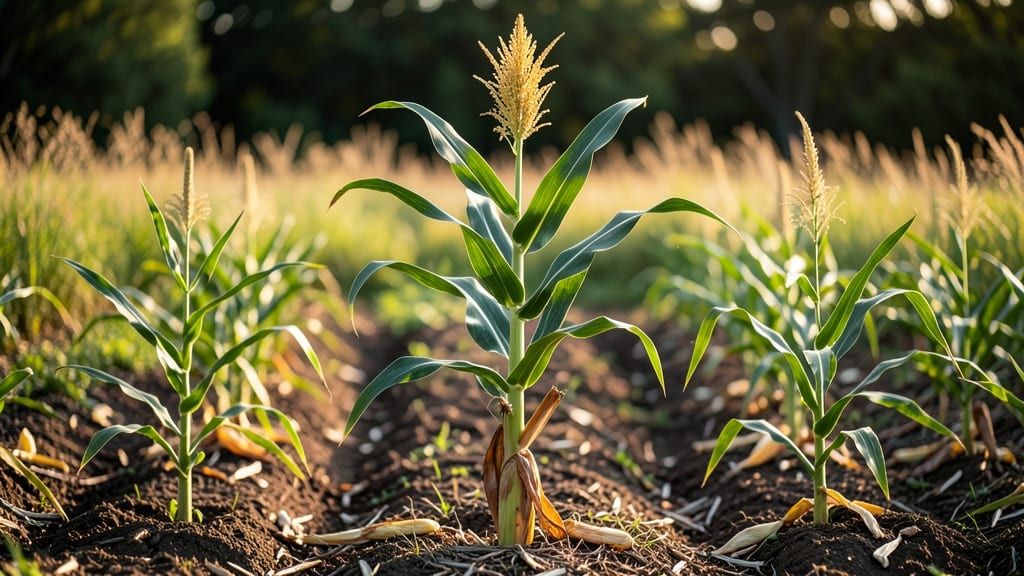
Imagine standing next to a corn plant that towers over you like a small tree—some varieties of corn can grow 12 to 14 feet tall, making them one of the tallest vegetables in your garden.
If you've ever wondered just how tall your 🌽 plants can reach or what factors influence their height, you're in the right place.
Corn height varies dramatically depending on the variety, with standard types growing between 6 and 10 feet, while dwarf varieties stay compact at just 3 to 5 feet.
But why does height matter? Whether you're working with limited space or dreaming of a backyard cornfield, understanding these differences helps you choose the perfect plants for your garden.
In this guide, I’ll break down everything from the genetics behind giant corn to practical tips for supporting those towering stalks. You’ll learn which varieties break the 10-foot mark, how to maximize growth without sacrificing yield, and even how to care for corn in tight spaces.
Ready to grow corn that reaches new heights? Let’s dive into the world of sky-high 🌽 and discover how to cultivate the tallest, healthiest plants in your garden.

Corn plant height variations: from dwarf to towering giants
Corn plants are architectural wonders in the garden, with some varieties stretching skyward like natural skyscrapers. Most backyard gardeners grow standard sweet corn varieties that reach 6 to 10 feet tall, perfect for creating a lush green backdrop.
But did you know some varieties can grow 12 to 14 feet—taller than a professional basketball hoop? The height of your corn depends on its genetics, growing conditions, and care routine.
If you're working with limited space, dwarf corn varieties like 'Golden Bantam' or 'Tom Thumb' stay compact at 3 to 5 feet, making them ideal for containers or small gardens. These smaller varieties still produce sweet, tender kernels but require less support and less space between plants.
On the other end of the spectrum, giant corn varieties like 'Mammoth Melting' can reach 12 to 14 feet, offering a dramatic focal point in your garden.
Here’s the key: height isn’t just about aesthetics—it also affects yield, pollination, and structural support. Taller corn varieties often produce larger ears but may need staking or trellising to prevent toppling.
Meanwhile, dwarf varieties mature faster and are easier to manage in raised beds or containers. Understanding these variations helps you choose the perfect variety for your garden’s size and goals.
🌽
| Variety Type | Height Range | Best For | Care Notes |
|---|---|---|---|
| Dwarf Corn | 3–5 ft | Containers, small gardens | Minimal staking, fast maturity |
| Semi-Dwarf Corn | 5–7 ft | Backyard gardens, raised beds | Moderate spacing, light support |
| Standard Corn | 8–12 ft | Traditional gardens, high yield | Wide spacing, trellising optional |
| Giant Corn | 12–14+ ft | Dramatic displays, large plots | Heavy staking, rich soil |
One of the most exciting aspects of growing corn is how genetics dictate height. For example, open-pollinated varieties like 'Country Gentleman' can grow 12 to 14 feet, while hybrid varieties like 'Silver Queen' typically max out at 8 to 10 feet.
If you're aiming for extra-tall corn, focus on soil fertility, water consistency, and proper spacing. Poor soil or drought stress can stunt growth, while rich, well-drained soil and regular watering encourage plants to reach their full potential.
Another factor to consider is pollination. Taller corn varieties often require wider spacing (up to 36 inches apart) to ensure cross-pollination between plants.
If your corn is too crowded, the tassels (male flowers) may not reach the silks (female flowers) at the base of the plant, leading to poor ear development. For giant varieties, consider planting in blocks rather than single rows to improve pollination success.
For gardeners with limited space, dwarf corn is a game-changer. These varieties mature faster and produce smaller but flavorful ears, making them perfect for container gardening or urban plots. Plus, they’re easier to harvest and less likely to topple in windy conditions.
If you’re new to growing corn, starting with a dwarf or semi-dwarf variety can help you build confidence before tackling towering giants.
🌿
If you’re dreaming of corn plants that rival small trees, remember that height comes with responsibility. Extra-tall corn requires stronger support, more space, and extra care to thrive. But the payoff—a dramatic, lush garden feature with bountiful harvests—is worth the effort.
Whether you choose compact dwarf varieties or monumental giants, understanding your corn’s height potential helps you plan for success from day one.
Ready to explore the top 5 giant corn varieties that exceed 12 feet? Or curious about pro tips for supporting extra-tall plants? Dive into the next sections to unlock the secrets of growing corn that reaches for the sky! ✂️
Corn plant height variations: from dwarf to towering giants
Corn plants come in a surprising range of heights, from compact dwarf varieties perfect for small gardens to towering giants that can reach heights of 12 to 14 feet. The height of your corn isn't just about space—it also affects yield, care requirements, and even pollination success.
Understanding these variations helps you choose the right variety for your garden's size and growing conditions.
Most home gardeners grow standard corn varieties that mature between 6 and 10 feet tall, making them ideal for traditional backyard gardens. These varieties strike a balance between height and productivity, producing 6 to 12 ears per plant when given proper care.
However, if you're working with limited space, dwarf corn varieties (3 to 5 feet tall) offer a compact solution without sacrificing flavor or yield.
For those chasing the ultimate in height, giant corn varieties like 'Mammoth Melting' and 'Country Gentleman' can exceed 12 feet, creating a dramatic focal point in your garden. These towering plants require extra attention to support, spacing, and soil fertility to reach their full potential.
The trade-off? Their massive size means fewer ears per plant, but the unique experience of growing corn taller than you is unmatched!
| Variety Type | Height Range | Best For | Care Notes |
|---|---|---|---|
| Dwarf | 3–5 ft | Containers, small gardens | Less support needed; ideal for tight spaces |
| Standard | 6–10 ft | Backyard gardens, pollination groups | Moderate spacing; stake if windy |
| Giant | 12–14+ ft | Dramatic displays, large gardens | Heavy staking; rich soil required |
The height of your corn isn't just determined by the variety—growing conditions play a huge role too. Corn needs full sun exposure (6–8 hours daily) and well-draining, nutrient-rich soil to reach its maximum height.
Poor soil or shade can stunt growth, while ideal conditions help even standard varieties lean toward the taller end of their range. For example, 'Golden Bantam' (a popular dwarf) might stretch to 5 feet in perfect conditions, while 'Country Gentleman' could surpass 14 feet with optimal care.
One common misconception is that taller corn always means better yield. In reality, giant varieties often produce fewer ears per plant due to their massive size and energy demands. However, they make up for it with larger individual ears, sometimes weighing over 1 pound each.
If you're growing corn for fresh eating or roasting, standard varieties usually offer the best balance of quantity and quality.
For container gardeners or urban growers, dwarf corn varieties are a game-changer. These compact plants thrive in 5-gallon pots or larger containers, making them perfect for balconies or patios. Just be sure to use a high-quality potting mix and fertilize regularly to support their growth.
Even in containers, some dwarf varieties can reach 4 to 5 feet tall, proving that big things really do come in small packages!
Whether you're dreaming of a backyard cornfield or just want a few ears for summer meals, choosing the right height variety ensures your garden stays healthy, productive, and visually stunning. Next, we'll explore the top 5 giant corn varieties that can turn your garden into a towering corn maze—stay tuned!