
How To
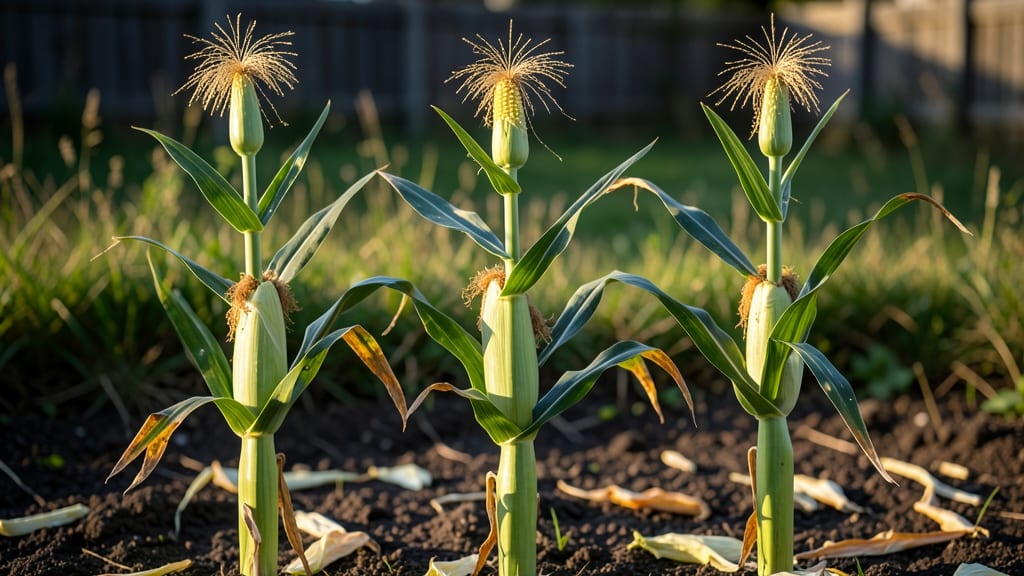
If you're planning to grow corn in your garden, knowing how tall does corn plant grow is the first step to success—because those towering stalks can take up way more space than you think! 🌽 From dwarf varieties that stay under 4 feet to standard types reaching 8-12 feet, the height difference isn't just about aesthetics; it impacts everything from spacing to trellising.
Most home gardeners grow sweet corn, which typically reaches 6-10 feet at maturity, but some ornamental varieties can stretch even taller. Understanding these heights helps you avoid overcrowding and ensures your corn gets the sunlight and nutrients it needs to thrive.
In this guide, I’ll break down the exact height ranges for common varieties and share space-saving tips—because even if you don’t have acres, you can still grow corn successfully. Whether you’re working with a small balcony or a backyard plot, knowing these details makes all the difference.
Let’s dive into the specifics so you can plan your corn garden like a pro—no guesswork, just great results!

Corn plant height by variety: exact measurements for gardeners
Corn plants are famous for their impressive height, but did you know some varieties stay as short as 4 feet while others reach 12 feet or taller? The height of your corn depends entirely on the variety you choose, with sweet corn and ornamental corn offering the most diversity.
Understanding these differences helps you plan your garden layout, choose the right support structures, and even select varieties that fit your space. Whether you're growing corn in a backyard plot or a small urban garden, knowing the mature height ensures you avoid overcrowding and maximize yield.
Most home gardeners grow standard sweet corn varieties, which typically reach 6 to 10 feet tall. These are the classic varieties you see in cornfields, but they require ample space between rows—usually 30 to 36 inches apart—to prevent shading and improve airflow.
If you're short on space, dwarf corn varieties like 'Little and Lovely' or 'Golden Bantam' stay between 4 to 6 feet tall, making them perfect for containers or small gardens.
On the other end of the spectrum, some ornamental corn varieties, like 'Black Aztec' or 'Glass Gem,' can exceed 10 feet, adding dramatic height and visual interest to your garden.
| Variety Type | Mature Height | Spacing Needs | Growth Rate | Best For |
|---|---|---|---|---|
| Dwarf Sweet Corn | 4–6 ft | 12–18 in apart | Moderate (60–75 days) | Containers, small gardens |
| Standard Sweet Corn | 6–10 ft | 30–36 in apart | Fast (70–90 days) | Backyard gardens, large plots |
| Giant/Field Corn | 10–12+ ft | 36–48 in apart | Slow (90–120 days) | Rural farms, large spaces |
| Ornamental Corn | 5–12 ft | 24–36 in apart | Variable (60–100 days) | Landscaping, decorative use |
| Popcorn Varieties | 6–10 ft | 30–36 in apart | Moderate (80–100 days) | Home popping, large gardens |
Choosing the right corn variety isn’t just about height—it’s also about how quickly the plant grows and how much space it needs.
For example, 'Little and Lovely' sweet corn reaches maturity in just 60 days and stays under 5 feet, making it ideal for container gardening or small urban plots.
In contrast, 'Country Gentleman', a popular heirloom variety, can grow up to 10 feet and takes 90 days to mature, requiring more space and patience.
If you're growing corn for ornamental purposes, varieties like 'Glass Gem' or 'Black Aztec' can add stunning colors and textures to your garden while reaching heights of 8 to 12 feet.
Another factor to consider is the growth rate of the corn variety. Faster-growing varieties, like 'Silver Queen' or 'Peaches and Cream', reach their mature height in about 70 to 80 days, while slower-growing varieties, such as 'Mammoth Melting', can take up to 120 days to fully mature.
If you're in a shorter growing season, opt for early-maturing varieties to ensure you can harvest before the first frost. For longer seasons, you can experiment with taller varieties that offer larger ears or unique flavors.
When planning your garden, always account for the spacing requirements of your chosen corn variety. Standard sweet corn needs at least 30 inches between rows to ensure proper airflow and prevent disease.
Dwarf varieties can be planted closer together, sometimes as little as 12 inches apart, making them perfect for interplanting with shorter crops like beans or lettuce. If you're growing corn in a small space, consider using vertical trellises or
Space-saving corn growing techniques for small gardens
If your garden space is limited but you still dream of harvesting fresh sweet corn, don’t worry—there are clever ways to grow these towering plants without sacrificing your yard! 🌱 With the right techniques, you can fit corn varieties into even the smallest plots, balconies, or containers.
The key lies in choosing dwarf varieties, using vertical supports, and smart companion planting.
For example, sugar baby corn or little and lovin’ corn stay under 4 feet tall, making them perfect for containers or small gardens. Even standard varieties can be trained upward with trellises or cages, saving precious ground space while still producing plump ears.
Let’s explore how to make this work in your space!
| Technique | Space Saved | Best For | Notes |
|---|---|---|---|
| Dwarf Varieties | Up to 50% | Containers, small plots | Sugar Baby, Little and Lovin’ (3-4 ft tall) |
| Vertical Trellising | 30-40% | Standard varieties | Use sturdy bamboo stakes or A-frame trellises |
| Companion Planting | 20-30% | Small gardens | Pair with beans, lettuce, or radishes |
| Interplanting | Up to 40% | Small spaces | Plant fast-growing crops between corn rows |
One of my favorite space-saving tricks is interplanting. While corn is growing tall, you can tuck in fast-growing crops like radishes or lettuce between the rows. These plants mature quickly and won’t compete for space once the corn reaches its full height.
Just be sure to harvest them before the corn shades everything out!
For container gardening, opt for dwarf corn varieties like ‘Tom Thumb’ or ‘Golden Bantam,’ which thrive in 5-gallon buckets. Place the containers in a sunny spot and ensure they have drainage holes to prevent root rot.
Even in containers, these varieties can produce 6-8 inch ears, perfect for small-scale harvests.
If you’re growing standard corn varieties, invest in a DIY trellis system made from bamboo stakes or a sturdy wire frame. Tie the corn stalks loosely to the trellis as they grow to guide them upward. This not only saves space but also improves airflow, reducing the risk of fungal diseases like corn smut. Just
Finally, consider companion planting with nitrogen-fixing plants like beans or peas. These plants enrich the soil naturally, reducing the need for synthetic fertilizers and giving your corn a nutrient boost. Plus, they add diversity to your garden, attracting beneficial insects and improving overall health. With these techniques, you’ll be harvesting homegrown corn—no matter how small your space! 🌽