
Plants
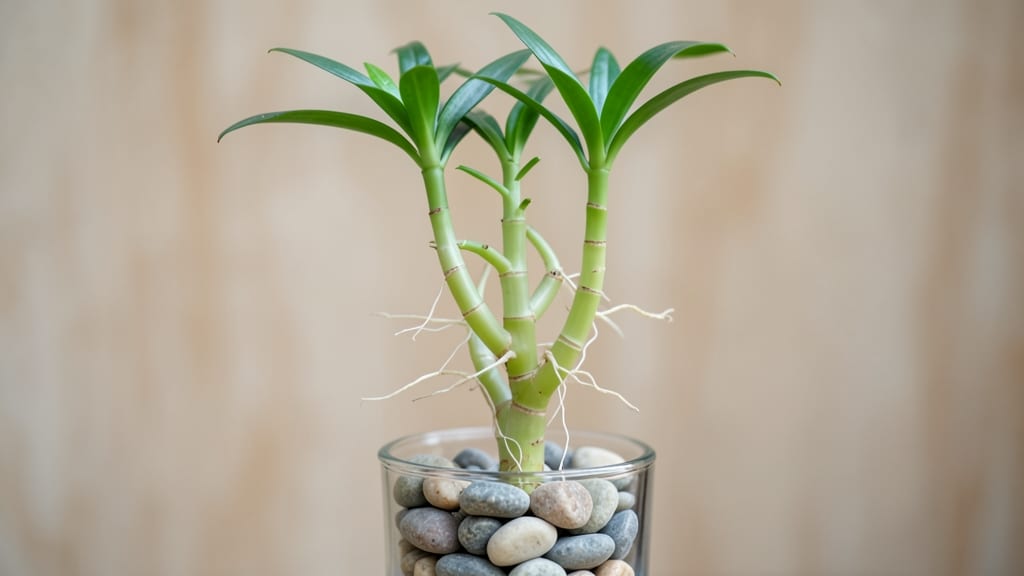
If you’ve ever wondered how tall can a bamboo plant grow, the answer might shock you—some varieties stretch taller than a 3-story building, while others stay neatly sized for a patio.
This fast-growing 🌿 grass isn’t just a decorative plant; it’s a dynamic addition to any garden, with heights ranging from just a few feet to towering giants.
But here’s the catch: not all bamboo behaves the same. Running bamboo species can spread aggressively, reaching 60–100 feet under ideal conditions, while clumping varieties stay compact and manageable.
Whether you’re dreaming of a privacy screen or a small-space accent plant, understanding these differences is key to choosing the right type for your yard.
In this guide, I’ll break down the tallest bamboo species, the best compact options, and practical tips to control height—so you can enjoy bamboo’s beauty without the chaos. Let’s explore how to pick, plant, and maintain the perfect 🌿 for your space.
From spring planting in Zone 6a to long-term growth strategies, you’ll learn everything you need to know to get started. Ready to transform your garden with bamboo?

Tallest bamboo species: giant varieties that reach 60+ feet
If you're envisioning a towering bamboo grove that rivals redwoods, you're not alone—some species grow 60 to 100 feet tall under ideal conditions. These giants belong to the running bamboo category, known for their aggressive spread and rapid vertical growth.
The Phyllostachys bambusoides, or Moso bamboo, holds the record as the world's tallest bamboo, often reaching 100 feet or more in its native China.
In the U.S., Dendrocalamus asper (giant bamboo) and Phyllostachys aureosulcata (yellow groove bamboo) are popular choices for privacy screens, with mature heights of 50 to 70 feet. These varieties thrive in USDA zones 7-11 and can grow 3 to 5 feet per year under optimal conditions.
Their towering presence makes them ideal for large properties or urban installations where height isn’t a concern.
For a real-world example, consider the Arboretum de Villardebelle in France, where Moso bamboo reaches 98 feet in just 5 years. In your own yard, these giants can create an instant privacy barrier or even serve as a windbreak for large properties.
However, their size requires careful planning to prevent unwanted spread.
🌿
While these giants dominate the height charts, their growth isn’t just about genetics—soil quality, water availability, and sunlight exposure play crucial roles. For instance, Moso bamboo grows fastest in well-draining, slightly acidic soil with full sun exposure.
In contrast, Dendrocalamus asper tolerates partial shade but still requires consistent moisture to reach its full potential.
If you're considering a tall bamboo variety, start by assessing your yard size and climate compatibility. For example, Phyllostachys aureosulcata is a great choice for cooler climates (zones 6–10), while Bambusa vulgaris thrives in tropical or subtropical zones.
Both offer fast growth and low maintenance once established, making them excellent for large-scale landscaping projects.
For urban gardeners, container-grown bamboo like Phyllostachys nigra (black bamboo) can reach 30 to 40 feet in height while staying manageable with proper root barriers. This variety is perfect for smaller properties or balcony gardens where space is limited but height is still desired.
Always research local regulations, as some cities restrict bamboo planting due to its invasive nature.
🌳
One common misconception is that all bamboo grows to skyscraper heights. In reality, clumping bamboo varieties—like Fargesia robusta—stay under 10 feet tall and are ideal for small spaces.
However, if you're set on a tall bamboo, invest in root barriers and regular pruning to keep growth in check. With the right variety and care, your bamboo can become a stunning focal point or privacy solution for years to come.
✂️
Compact bamboo for small spaces: clumping varieties under 10 feet
If you love bamboo’s elegance but lack space for towering giants, clumping bamboo is your perfect solution. Unlike aggressive runners, these varieties grow in tight clusters, making them ideal for containers, patios, or small gardens.
With heights ranging from 3 to 10 feet, they offer the same lush beauty without the invasive spread.
One of my favorite compact options is Bambusa multiplex, also called "thunderhead bamboo." It typically stays under 8 feet tall and thrives in containers, perfect for balconies or urban gardens. Another standout is Fargesia robusta, which reaches 6 to 10 feet and handles shade beautifully—ideal for woodland gardens.
🌱
| Variety | Height Range | Best For |
|---|---|---|
| Bambusa multiplex | 3–8 ft | Containers, urban gardens |
| Fargesia robusta | 6–10 ft | Shady areas, woodland gardens |
| Boryana Compacta | 3–5 ft | Borders, small patios |
| Yashadana | 4–6 ft | Indoor pots, low-light areas |
For container gardening, choose varieties like Boryana Compacta, which stays under 5 feet and fits perfectly in a 15-gallon pot. Just ensure the pot has drainage holes and use a well-draining mix to prevent root rot.
I’ve seen gardeners pair these with ferns or hostas for a lush, layered look.
One common misconception is that all compact bamboo stays small—not true! Even clumpers like Fargesia denudata can reach 10 feet if given ideal conditions. Always check the mature height before planting to avoid surprises. Prune in late winter to encourage bushier growth and keep heights in check.
🪴
If you’re worried about spread, clumping bamboo is your best bet. These varieties don’t send out underground runners, so they won’t take over your yard. However, regular division (every 2–3 years) keeps them healthy and prevents overcrowding.
For extra peace of mind, plant in root barriers or large containers—this works wonders for urban spaces!