
How To
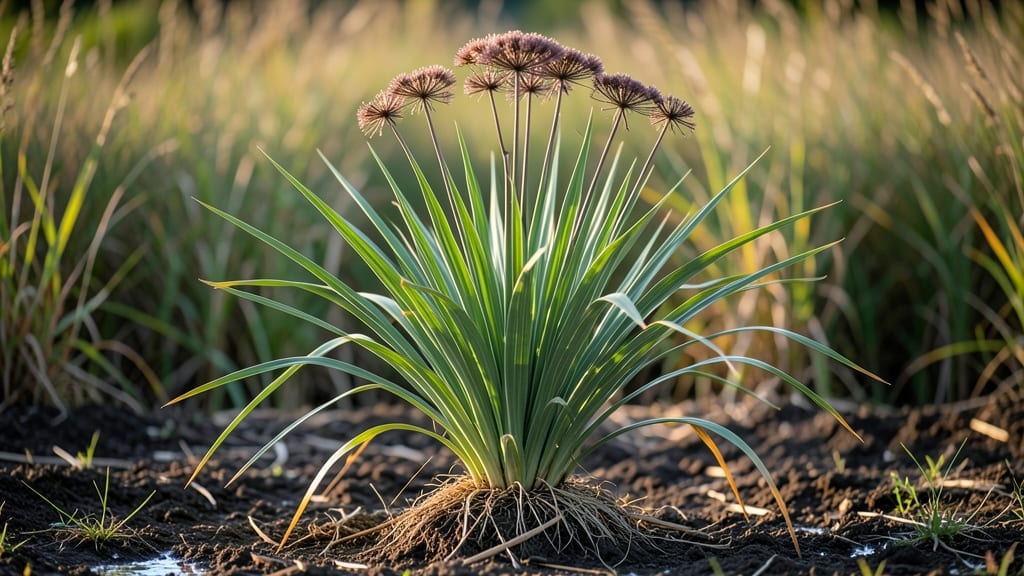
If you’re wondering how tall does papyrus plant grow, the answer might surprise you—this ancient 🌿 beauty can soar to 15 feet in the wild! But here’s the good news: with the right care, you can keep it compact and perfect for indoor spaces.
Most people assume papyrus needs a massive garden to thrive, but that’s not true. In containers, it typically stays between 3-6 feet, making it an ideal tropical accent for homes or offices. The key? Pruning, proper sunlight, and choosing the right variety.
Whether you’re a plant parent with limited space or just love unique foliage, managing papyrus height is easier than you think. I’ll share my top tips to keep it lush without letting it take over your living room.
Ready to grow this striking plant without the towering drama? Let’s dive into the secrets of keeping your papyrus at your desired height—indoors or out.

Natural papyrus plant height: understanding growth patterns indoors vs. outdoors
The papyrus plant (Cyperus papyrus) is famous for its dramatic height in the wild, where it can soar to 15-20 feet—taller than a basketball hoop! However, indoors, its growth is far more manageable with the right care.
The key difference lies in environmental conditions, particularly light exposure, container size, and pruning habits. Without these controls, even indoor papyrus can grow 6-8 feet tall, overwhelming small spaces.
In its native African wetlands, papyrus thrives in unrestricted vertical growth, fueled by abundant sunlight and water. But indoors, limited space and controlled care drastically alter its trajectory. For example, a 3-foot-tall papyrus in a 12-inch pot with regular pruning is far more common than its wild counterpart.
The secret? Understanding how to slow its growth rate while maintaining its lush, feathery appearance.
Here’s the critical comparison: outdoor papyrus grows aggressively due to unlimited root space and full sun, while indoor papyrus relies on container constraints and light management to stay compact.
Even with ideal care, indoor papyrus rarely exceeds 6 feet—but with pruning, it can stay as short as 2-3 feet, perfect for apartments or offices. The trade-off? Slower growth and more frequent maintenance.
| Factor | Outdoor Growth | Indoor Growth (With Care) |
|---|---|---|
| Maximum Height | 15–20 feet | 3–6 feet (pruned) |
| Growth Rate | Rapid (3+ feet/year) | Moderate (1–2 feet/year) |
| Light Needs | Full sun (6+ hours) | Bright indirect light (4–6 hours) |
| Container Size | Unlimited (wetlands) | 12–18 inches (root-bound) |
| Pruning Frequency | Minimal (natural die-back) | Every 4–6 weeks |
The container size is your best tool for controlling height. Papyrus plants grow taller when root-bound, as they stretch toward light. A 12-inch pot limits height to 3-4 feet, while a 20-inch pot can push it to 6 feet without pruning.
To keep it under 3 feet, opt for a smaller pot and prune aggressively—this mimics its natural growth constraints in the wild.
Light exposure also plays a crucial role. While outdoor papyrus thrives in full sun, indoor plants do best with bright, indirect light. Place yours near a south-facing window for 4-6 hours of sunlight daily. Too little light?
Your papyrus will grow leggy and weak, reaching for light and stretching taller than necessary. A grow light can help if natural light is scarce, but avoid overdoing it—12 hours of light max to prevent rapid, uncontrolled growth.
Another factor is the plant’s age. Young papyrus plants grow slowly, reaching only 1-2 feet in their first year. By year two, they can double in height if unchecked.
To maintain a compact shape, prune new growth regularly and avoid over-fertilizing, which encourages rapid vertical expansion. The goal? A balanced, bushy plant that stays within your space’s limits.
If you’re growing papyrus in a greenhouse or conservatory, expect faster growth—closer to outdoor rates due to higher humidity and light. In these cases, prune every 3-4 weeks and rotate the pot to ensure even light exposure.
Without these steps, even a greenhouse papyrus can hit 8-10 feet, requiring staking or support to prevent toppling.
Pro tip: Top-dressing with mulch (like peat moss) slows root expansion, indirectly limiting height. This mimics the compact soil conditions of its native wetlands, where roots are shallow and growth is controlled.
Pair this with regular pruning, and you’ll keep your papyrus at a manageable 3-4 feet—ideal for indoor displays.
Remember, the key to compact growth is balance: light control + container size + pruning. Skip any of these, and you’ll end up with a towering indoor papyrus that’s hard to manage. But with patience and consistency, you can enjoy its ancient beauty without sacrificing your living space.
Natural papyrus plant height: understanding growth patterns indoors vs. outdoors
The papyrus plant (Cyperus papyrus) is famous for its impressive stature in its native wetlands, where it can tower 15-20 feet tall—taller than a basketball hoop! However, indoors, its growth is dramatically different.
Without the space and nutrients of a swampy ecosystem, your potted papyrus will typically reach 3-6 feet if unchecked. This difference is why many gardeners love it: its manageable indoor height makes it perfect for homes and offices.
Several factors influence how tall your papyrus grows indoors. The most critical are container size, sunlight exposure, and pruning habits. A small pot restricts root growth, naturally limiting height, while ample sunlight fuels rapid vertical expansion.
Even with these controls, papyrus plants are fast growers, adding 1-2 feet per year under ideal conditions. Understanding these variables helps you predict and manage its height effectively.
| Growth Factor | Outdoor Height | Indoor Height (With Care) | Key Influence |
|---|---|---|---|
| Container Size | Unlimited (wetlands) | 3-6 feet | Small pots = slower growth |
| Sunlight | Full sun (10+ hours) | 1-3 feet (with pruning) | Less light = slower growth |
| Pruning | None (wild) | Compact shape | Regular trims = controlled height |
| Fertilization | Natural nutrients | Slower growth | Moderate feeding = balanced growth |
If you’re growing papyrus indoors, aim for a south-facing window to provide the 6+ hours of sunlight it craves. Without enough light, your plant will grow leggy and sparse, reaching only 1-2 feet tall—far below its potential.
Conversely, too much direct sun can stress the plant, causing it to grow too quickly and become top-heavy. Balance is key: bright, indirect light is ideal for maintaining a healthy, compact stature.
Another way to control height is by choosing the right container size. A pot that’s too large encourages rapid growth, while a snug fit (just 1-2 inches larger than the root ball) slows vertical expansion.
For a papyrus plant, a 12-18 inch diameter pot is ideal for indoor growth, keeping it between 3-5 feet tall. If you notice roots circling the pot, it’s time to repot—but opt for a container only slightly larger to maintain control.
Even with careful container selection, your papyrus may still outgrow its space. That’s where pruning comes in. Trimming the stems back by one-third in spring encourages bushier growth and prevents it from becoming too tall.
Use clean, sharp scissors to cut just above a leaf node, and avoid removing more than 30% of the foliage at once. This method keeps your plant lush and manageable while preserving its natural beauty.
Remember, papyrus plants thrive on consistent moisture—another factor that affects growth. Overwatering can cause leggy, weak stems, while underwatering stunts growth entirely. Aim to keep the soil evenly moist (but not soggy) by watering every 2-3 days in warm months.
During winter, reduce watering to once a week to slow growth naturally. These simple adjustments ensure your papyrus stays healthy, compact, and within your desired height range.