
Plants
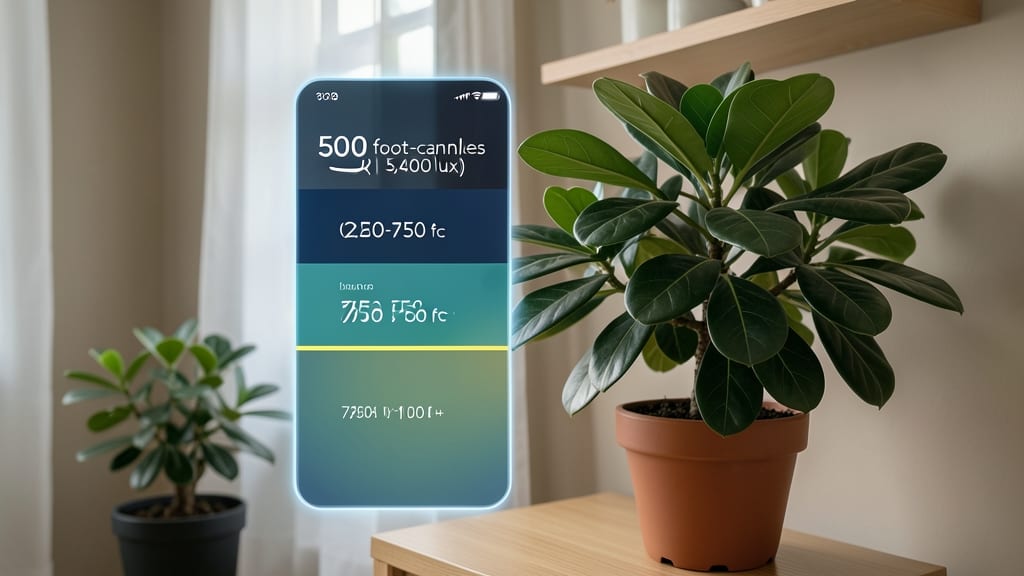
If your Umbrella Plant 🌿 is struggling to stay vibrant, you’re probably asking yourself: how much light does an umbrella plant need? The answer isn’t as simple as "more is better"—too much sun can scorch those delicate leaves, while too little leaves it looking sad and leggy.
This adaptable plant thrives in bright indirect light, making it perfect for homes with east-facing windows or filtered sunlight. But what happens when your space gets too dark or too harsh?
I’ll break down the exact light conditions your plant craves and how to tweak its environment—whether you’re dealing with a dim corner or a scorching afternoon sunspot.
You’ll discover the ideal light range for healthy growth, plus how to spot signs of light stress before it’s too late. No more guessing—just clear, actionable tips to keep your Umbrella Plant lush and thriving all year round.
Ready to master the art of lighting for your 🌿 Schefflera actinophylla? Let’s dive into the details so you can give your plant exactly what it needs to flourish.


Ideal light requirements for umbrella plants: low to bright indirect sunlight explained
Your umbrella plant (Schefflera actinophylla) thrives in bright indirect light, but too much or too little can stress it. The ideal range is 1,000–3,000 foot-candles of light—think of a spot near a window but not in harsh afternoon sun.
Without enough light, leaves pale and stretch (called etiolation), while too much causes crispy brown edges or sunburn spots.
Measuring light is easy with a light meter or by observing your plant’s response. Place it 2–3 feet from an east-facing window for gentle morning light, or 3–5 feet from a south-facing window with sheer curtains to diffuse intensity.
North-facing windows work too, but growth may slow without supplemental light in winter.
Seasonal adjustments are key: in summer, your plant can handle 2–3 hours of morning sun but needs afternoon shade. In winter, when natural light dims, move it closer to the window or use a grow light for 12–14 hours daily to prevent legginess.
🌿
| Light Condition | Foot-Candles | Signs of Stress | Solution |
|---|---|---|---|
| Low Light (<1,000) | Leggy growth, pale leaves | Move to brighter spot or add grow light | |
| Ideal (1,000–3,000) | Dark green, compact leaves | Perfect! Rotate pot weekly for even growth | |
| Too Much (>3,000) | Brown leaf tips, crispy edges | Filter light with sheer curtain or move 1–2 feet back |
If your umbrella plant develops yellow leaves, it’s often a sign of overwatering, but check the light first—low light reduces evaporation, keeping soil soggy. For outdoor growers, place it in partial shade (dappled sunlight) during peak summer hours to avoid scorching.
Pro tip: Test your space’s light levels by placing a white piece of paper near your plant. If it’s hard to read text after 30 minutes, the area is too dark. If the paper turns yellowish, the light is too intense.
For indoor setups, avoid placing your umbrella plant in kitchens or bathrooms with fluctuating humidity—consistent moisture levels help it thrive. Instead, opt for a sunroom, living room, or office with steady, indirect light.
🪴
In outdoor containers, use a light-colored pot to reflect extra sunlight in summer, and add a mulch layer to regulate soil temperature. If you notice new growth leaning toward the light, rotate the pot ¼ turn weekly to encourage balanced development.
Remember, umbrella plants are adaptable but not drought-tolerant. Pair proper light with moderate watering (let the top 1–2 inches of soil dry between waterings) to keep it happy year-round.
Ideal light requirements for umbrella plants: low to bright indirect sunlight explained
Your Umbrella Plant (Schefflera actinophylla) thrives in bright indirect light, which means it needs plenty of natural light but without harsh direct rays. Think of it like a morning coffee break—gentle and consistent, not scorching hot.
This plant can handle 1,000–3,000 foot-candles of light, which is roughly the brightness of a well-lit office or a spot near an east-facing window.
In nature, these plants grow under the dappled canopy of taller trees, where sunlight filters through leaves. Recreating this environment indoors is key to keeping your plant healthy.
Too little light leads to leggy growth and pale leaves, while too much direct sun causes brown crispy edges—a clear sign of sunburn.
🌿 To measure light in your space, use a light meter app (like Light Meter or Lux Light Meter) or simply observe how your plant reacts. If leaves are stretching toward the light, it’s underlit. If they’re yellowing or brown, it’s overlit.
Seasonal adjustments are crucial. In summer, when sunlight is intense, your Umbrella Plant may need sheer curtains or a sheer to diffuse harsh rays. During winter, when natural light is scarce, supplement with a grow light for 4–6 hours daily to maintain its energy levels.
Pro tip: Rotate your plant quarter-turns every 2 weeks to ensure even light exposure on all sides. This prevents lopsided growth and keeps those fronds symmetrical and vibrant. Think of it like giving your plant a mini vacation to explore its surroundings evenly!
For outdoor growers, place your Umbrella Plant in partial shade during peak sun hours (10 AM–4 PM). Morning sun is ideal, as it’s softer and less likely to scorch. If you notice leaves curling or turning yellow, move it to a shadier spot immediately—your plant is begging for relief!