
Plants
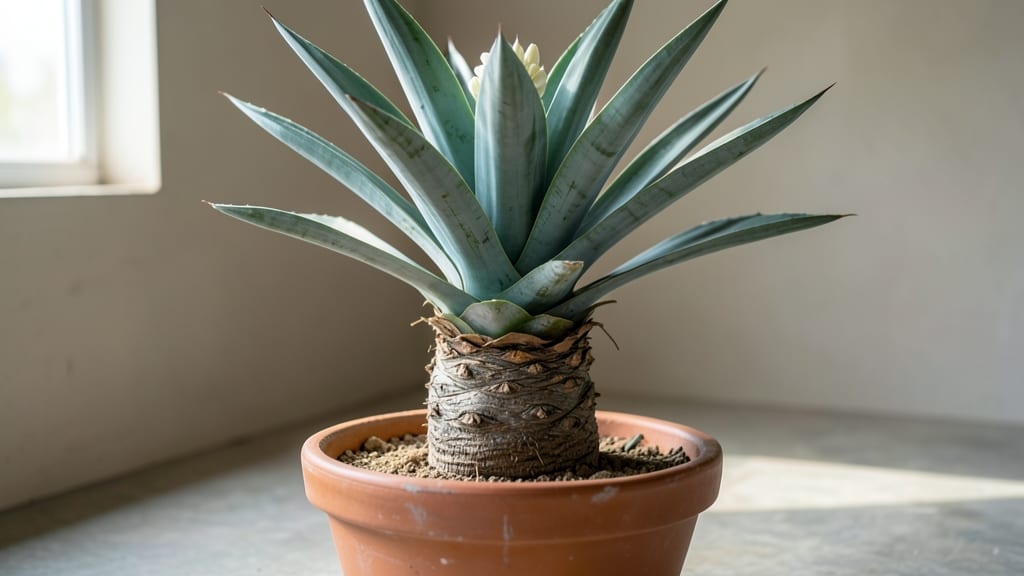
If you’re wondering how much light does a yucca plant need to thrive, the answer is simpler than you might think—it’s all about finding the right balance. This hardy plant craves bright conditions, but many growers accidentally overcorrect by assuming more sun is always better.
The truth? Yucca plants need smart sunlight exposure, not just any old light. Let’s uncover the perfect balance to keep your plant happy, whether you’re growing it indoors or outdoors.
Yuccas are famous for their drought tolerance, but their light needs are just as critical. Too little sunlight, and they’ll stretch awkwardly or lose their vibrant color. Too much direct sun, and those striking leaves can scorch.
The key is finding that sweet spot—bright, indirect light for most of the day—while avoiding harsh afternoon rays. I’ll show you exactly how to spot the right conditions and adjust them for your space.
Don’t make the common mistake of assuming all desert plants love scorching heat. While yuccas can handle full sun, they’re not as extreme as you’d think. Some varieties even tolerate partial shade, making them versatile for different climates.
Whether you’re in USDA Zone 6a or a high-rise apartment, I’ll break down how to position your plant for success—no guesswork required.
Ready to transform your yucca from a struggling survivor to a showstopping centerpiece? By the end of this guide, you’ll know exactly how much light your plant needs, how to fix common light-related issues, and even how to tweak conditions for different yucca types. Let’s get started!


Ideal light requirements for yucca plants: bright indirect sunlight explained
Yucca plants are sun worshippers, but they’re not as picky as you might think. While they thrive in full sun, they can tolerate bright indirect light—making them versatile for both outdoor gardens and indoor spaces.
The key is understanding their minimum sunlight needs and how to spot signs of light stress. Let’s dive into the specifics to keep your yucca happy and healthy.
Most yucca varieties need at least 6 hours of direct sunlight daily to grow strong and produce their signature sword-like foliage. In ideal conditions, they can handle 8 to 10 hours of sun without issue, especially in hotter climates.
However, even in lower light, they won’t die outright—just grow slower and look leggy. Think of them as the low-maintenance divas of the plant world.
Here’s the catch: yuccas hate dim, shady spots. If placed in deep shade (like under a dense tree canopy), they’ll stretch toward the light, develop weak stems, and lose their vibrant color.
This is called etiolation, and it’s a clear sign your plant is struggling. On the flip side, too much harsh afternoon sun—especially in desert climates—can scorch their leaves, leaving brown, crispy patches.
Now, let’s talk about the perfect balance. For outdoor yuccas, a spot with morning sun and afternoon shade works wonders. If you’re growing them indoors, place them near a south-facing window where they can soak up bright, indirect light.
Rotate the pot every few weeks to ensure even growth, as yuccas will lean toward their light source like sunflowers.
🌵 Pro Tip: If you’re unsure about your yucca’s light conditions, observe its leaves. Healthy yucca foliage is deep green, stiff, and upright. If the leaves turn yellow or brown at the tips, it’s a red flag—either too much sun or not enough water.
Meanwhile, pale or stretched-out leaves mean it’s begging for more light.
| Light Requirement | Specification | Ideal Conditions |
|---|---|---|
| Minimum Sunlight | 6+ hours/day | Outdoor: Full sun; Indoor: South-facing window |
| Optimal Sunlight | 8–10 hours/day | Morning sun + afternoon shade |
| Tolerates | Bright indirect light | East/west-facing windows or filtered light |
| Avoid | Deep shade or harsh afternoon sun | Leads to etiolation or sunburn |
| Signs of Stress | Yellow/brown tips, pale leaves | Adjust light or water immediately |
Indoor yuccas often face the biggest challenge: insufficient light. If your home has limited natural light, consider supplementing with a grow light for 12–14 hours a day.
LED grow lights designed for succulents and cacti work perfectly. Place the light 6–12 inches above the plant and adjust the height as it grows to avoid stretching.
Outdoor yuccas, on the other hand, love hot, dry climates like those in USDA zones 7–11. In cooler regions, they’ll still thrive in full sun but may need a microclimate protection, like a spot near a sunny wall or under a patio cover during extreme heat.
Mulching around the base helps regulate soil temperature, keeping roots happy even when the air is scorching.
One common misconception is that yuccas are drought-tolerant, so they don’t need much care. While they do handle dry conditions once established, their light needs are non-negotiable.
A well-watered yucca in shade will still struggle—it’s the sunlight that fuels their growth. Think of light as their primary nutrient, just like water or fertilizer.
To test your yucca’s light conditions, perform a simple shadow test. On a sunny day, place a ruler or measuring tape near your plant and mark the shadow every hour. If the shadow is shorter than the plant itself for most of the day, it’s getting enough light.
If the shadow stretches longer than the plant, it’s time to move it closer to a brighter spot.
💡 Remember: Yuccas are adaptable, but they won’t thrive in neglect. Give them the brightest light you can, and they’ll reward you with bold foliage, striking architectural form, and minimal fuss.
Now that you know their light requirements, you’re one step closer to growing a yucca that’s the star of your garden—or your living room!
Ideal light requirements for yucca plants: bright indirect sunlight explained
Yucca plants thrive in bright, indirect sunlight, making them perfect for sunny spots in your garden or near well-lit windows indoors. While they can handle 6+ hours of direct sun daily, the key is avoiding harsh afternoon rays that can scorch their leaves.
Think of it like giving your plant a sunbath with sunscreen—enough light to grow strong, but not so intense it causes damage.
Outdoor yuccas love full sun exposure but perform best when placed where they receive morning sun and afternoon shade. This balance prevents leaf burn while ensuring they get the energy they need to grow.
If you’re growing yucca in containers or indoors, a south-facing window is ideal, as it provides the most consistent light throughout the day.
Here’s the golden rule: Yuccas need at least 6 hours of bright light daily, but they can tolerate partial shade—especially in hot climates where afternoon sun is intense. The trick is observing your plant’s response.
If the leaves start stretching or losing color, it’s a sign of insufficient light. Conversely, crispy or yellowing edges mean it’s getting too much direct sun.
| Requirement | Specification |
|---|---|
| Minimum Daily Light | 6+ hours of bright indirect sunlight |
| Optimal Light Intensity | Morning sun + afternoon shade (outdoors) |
| Indoor Placement | South-facing window or grow lights for 8+ hours |
| Signs of Too Little Light | Leggy growth, pale leaves, slow growth |
| Signs of Too Much Light | Brown leaf tips, sunburn marks, crispy edges |
One common misconception is that yuccas can survive in any amount of sunlight because they’re drought-tolerant. While they’re resilient, their light needs are non-negotiable for long-term health. For example, a yucca in a north-facing window will struggle to thrive, even if you water it perfectly.
The solution? Rotate your plant every few weeks to ensure even light exposure on all sides.
If you’re in a region with intense summer heat, like the Southwest U.S., provide afternoon shade using a sheer curtain or shade cloth. This mimics their natural habitat, where they often grow under the dappled light of desert trees.
For indoor growers, a grow light on a timer can supplement natural light, especially in winter when days are shorter.
Pro tip: Test your yucca’s light conditions by moving it slightly closer or farther from the light source every few weeks. Watch for changes in leaf color and growth rate—this is how you’ll learn what works best for your specific plant.
With the right light, your yucca will reward you with bold, healthy foliage and even stunning blooms in the right conditions.