
How To
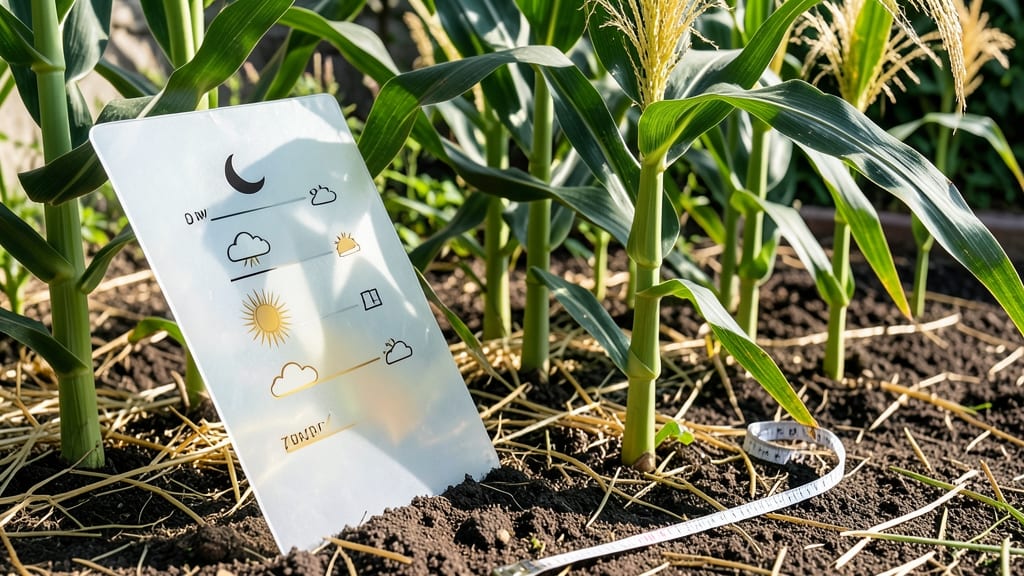
The secret to growing towering, productive corn 🌽 isn't just about soil or water—it's all about how much light your corn plant needs. Without the right sunlight exposure, your stalks might stay short, ears may fail to develop, or your harvest could turn out sparse. This is your guide to unlocking the full potential of your corn patch by mastering light requirements from seedling to harvest.
Corn thrives in full sun conditions, but many gardeners accidentally sabotage their crops by giving them too little—or worse, too much—light. In USDA Zone 6a, where spring planting kicks off in April, understanding these nuances is the key to avoiding stunted growth or sunburned leaves.
Let’s break down exactly how much sunlight corn needs at each stage and how to adjust for seasonal changes.
You’ll discover how to spot light deficiencies early (think yellowing leaves or weak stalks) and learn practical tricks for positioning your corn—whether you’re working with a sunny backyard or limited space near a south-facing window.
With the right light strategy, you’ll go from struggling with poor yields to growing corn that reaches its full height and produces plump, juicy ears every season.
Ready to transform your corn-growing game? Let’s dive into the bright, actionable tips that will have your corn standing tall and productive from July right through September.


Ideal light requirements for corn plant growth and health
Corn plants thrive under full sun exposure, but many gardeners mistakenly assume all sunlight is equal. The truth? Corn needs 6-8 hours of direct sunlight daily for optimal photosynthesis and ear development.
Without enough light, your corn will grow leggy, weak, and produce poor-quality ears—or worse, no ears at all.
Think of sunlight as corn’s fuel source. Just like a car needs premium gas to run efficiently, corn plants need intense, direct light to convert energy into those sweet, plump kernels.
Insufficient light slows growth, while too much can scorch leaves, especially in hot climates. Finding the balance is key to a bountiful harvest.
Here’s the science: Corn plants rely on chlorophyll to absorb sunlight and produce glucose through photosynthesis. When light is limited, chlorophyll production drops, leading to pale leaves and stunted growth. Direct sunlight (not filtered or indirect) is critical because it provides the high-intensity light spectrum corn needs to develop properly.
| Growth Stage | Sunlight Needs | Key Notes |
|---|---|---|
| Seedling Stage | 4-6 hours direct sun | Young plants are sensitive to intense light; gradual exposure prevents shock. |
| Vegetative Growth | 6-8 hours direct sun | Critical for strong stalk and leaf development; avoid shade from nearby plants. |
| Tasseling & Ear Development | 8+ hours direct sun | Maximum sunlight ensures kernel plumpness and sugar content; water consistently. |
| Maturity & Harvest | 6-7 hours direct sun | Reduced light needs as plants focus on seed production; monitor for pests. |
Seasonal sunlight changes can throw off your corn’s light requirements.
In spring and fall, days are shorter, so position your corn in the sunniest spot possible—like a south-facing garden bed or near reflective surfaces (e.g., white walls or gravel). Summer brings longer days, but intense heat can reduce photosynthesis efficiency; provide afternoon shade if temperatures exceed 90°F (32°C).
Watch for leaf color changes to diagnose light issues. Yellowing leaves indicate light deficiency, while crispy, brown edges signal sunburn. Both problems reduce yield and quality.
For example, if your corn leaves turn pale green or yellow, it’s begging for more light. Conversely, white or bleached patches mean it’s getting too much direct sun.
Pro tip: Rotate your corn plants quarter-turns every week to ensure even light exposure on all sides. This prevents lopsided growth and maximizes photosynthesis. Use a sunlight meter or observe shadows to gauge light intensity—corn needs bright, unobstructed light, not dappled shade.
For container-grown corn, place pots on a rolling cart or balcony to follow the sun’s arc. Corn is heavy, so ensure containers have drainage holes and are large enough (at least 12 inches deep) to support root growth.
Smaller pots restrict roots, limiting the plant’s ability to absorb sunlight and nutrients efficiently.
If you’re growing corn in partial shade (e.g., under trees or near buildings), expect smaller ears or no ears at all. While corn can tolerate 4-5 hours of sun, it won’t reach its full potential.
In low-light conditions, supplement with a grow light (LED or fluorescent) for 12-14 hours daily during early growth stages.
Remember: Corn is a high-energy crop. Just like you need a balanced diet to perform at your best, corn needs the right amount of light to grow strong, sweet, and productive. Prioritize sunlight, and your harvest will thank you with plump, flavorful ears every season. 🌽
Ideal light requirements for corn plant growth and health
Corn plants are sun worshippers 🌞—they demand 6 to 8 hours of direct sunlight daily to grow strong and produce those sweet, plump ears. Without enough light, your corn will struggle to develop properly, leading to weak stalks, poor ear formation, or even total crop failure.
In USDA Zone 6a, where planting starts in April, understanding these light needs is critical for a successful harvest between July and September.
The key is full sun exposure, meaning your corn should get sunlight from around 6 AM to 6 PM during peak growing months. While young seedlings can tolerate a bit of shade, mature plants will stretch toward light or develop weak, spindly stalks if they don’t get enough.
This is especially true during ear development stages, when light energy is directly converted into kernel growth.
Here’s what you need to know about balancing light for optimal corn growth:
| Growth Stage | Light Requirement | Key Notes |
|---|---|---|
| Seedlings (0-2 weeks) | 4-6 hours of direct sun | Can tolerate partial shade but avoid deep shade |
| Vegetative Growth (2-6 weeks) | 6-8 hours of direct sun | Critical for strong stalk development |
| Tasseling & Ear Development (6-12 weeks) | 8+ hours of direct sun | Maximize sunlight for kernel plumpness |
| Harvest Stage (12+ weeks) | 6-8 hours of direct sun | Maintain light for ear quality |
Seasonal adjustments are crucial, too. In early spring, when days are shorter, consider using reflective surfaces (like white walls or mirrors) to bounce extra light onto your corn plants.
Conversely, during summer’s long days, provide afternoon shade if temperatures exceed 90°F (32°C) to prevent heat stress and sunburn on leaves.
Watch for leaf discoloration 🌿—yellowing leaves often signal insufficient light, while crispy, brown edges indicate too much direct sun. By fine-tuning light exposure at each growth stage, you’ll ensure your corn plants grow tall, strong, and ready for a bountiful harvest by late summer.