
Plants
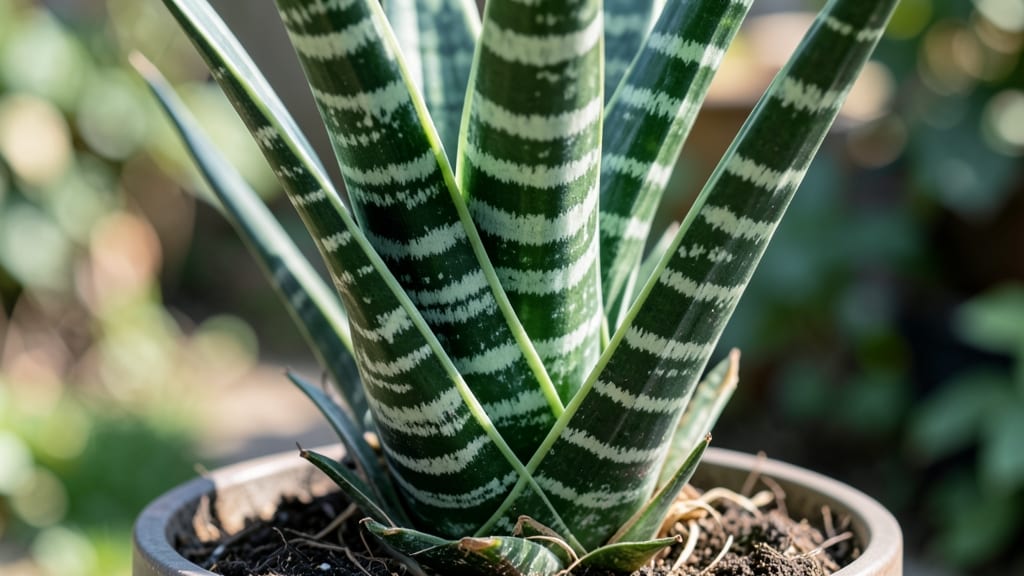
If you're wondering "how much light does a snake plant require", the answer might surprise you—this resilient 🌱 thrives in conditions most plants would struggle with. Unlike fussy houseplants, snake plants are masters of adaptability, happily growing in everything from dim offices to bright but indirect sunlight.
What makes them so special? Their ability to handle low-light spaces without fuss, while still appreciating a little more brightness when given the chance. The key is understanding their natural preferences—too little light leads to slow growth, while too much direct sun can scorch those striking leaves.
Let’s break down exactly how to strike the perfect balance for your snake plant’s needs.
Whether you’re dealing with a north-facing window or a shadowy corner, I’ll show you how to spot the signs of ideal lighting—from vibrant foliage to subtle shifts in leaf color.
You’ll also discover simple adjustments to keep your snake plant thriving year-round, no matter where you place it in your home.
Ready to stop guessing and start growing? Let’s dive into the light conditions that will transform your snake plant from merely surviving to truly flourishing.


Snake plant light requirements: low to bright indirect sunlight explained
If you’ve ever wondered why your snake plant (Sansevieria) seems to thrive in the dimmest corners of your home, the answer lies in its natural adaptability. Unlike high-maintenance plants, snake plants are low-light champions, making them perfect for offices, bathrooms, or north-facing rooms where sunlight is scarce.
However, they can also handle bright indirect light, which actually encourages faster growth and richer foliage patterns.
The key to keeping your snake plant happy lies in understanding its light tolerance spectrum. Too little light slows growth and dulls colors, while too much direct sun can scorch leaves.
Let’s break down the ideal conditions and how to spot when your plant is begging for a light adjustment.
🌱 Did You Know?
Snake plants fall into three main light categories: low light, medium indirect light, and bright indirect light. Each zone triggers different growth responses. For example, in low light (like a bathroom without windows), your plant will grow slowly but stay compact.
In bright indirect light (near an east-facing window), it’ll develop vibrant stripes and grow taller.
Here’s how to identify if your snake plant is getting the right amount of light based on its leaf color and patterns:
One common misconception is that snake plants can handle any light condition. While they’re resilient, pushing them into extreme low light or harsh direct sun will eventually cause stress.
For instance, a snake plant in a north-facing window might grow slowly but stay healthy, while one near a south-facing window could develop sunburnt tips if not filtered properly.
Pro tip: Rotate your plant quarter-turn every 2-3 months to ensure even light exposure. This prevents lopsided growth and helps the plant develop uniformly.
If you notice yellowing leaves, it’s often a sign of overwatering—but if the yellowing is paired with stretched, pale leaves, your plant is craving more light.
For those with artificial lighting, LED grow lights (12-14 hours/day) can supplement low-light areas. Place the light 6-12 inches above the plant to mimic natural indirect sunlight. Just avoid keeping it on 24/7, as snake plants need a 12-hour rest period daily.
Remember, snake plants are forgiving, but they’ll reward you with lush, healthy growth when given the right light. Start by assessing your space, then adjust gradually—your plant will thank you with bold stripes and sturdy leaves! 🌿
Snake plant light requirements: low to bright indirect sunlight explained
Your snake plant (Sansevieria) is one of the most forgiving houseplants, but even it has light preferences that determine its growth and health. Unlike sun-loving plants, snake plants thrive in low to bright indirect sunlight, making them perfect for offices, bedrooms, or dim corners.
Understanding the light spectrum—from deep shade to filtered sun—will help you avoid common pitfalls like yellowing leaves or stunted growth.
The key to success lies in recognizing how photosynthesis efficiency changes with light exposure. Snake plants have evolved to store energy efficiently, allowing them to survive in low-light conditions where other plants would struggle.
However, too little light slows growth, while direct sunlight can scorch their leaves. Balancing these extremes is where the magic happens.
| Light Condition | Description | Leaf Color & Growth |
|---|---|---|
| Low Light (<2 hours) | North-facing windows, corners, or artificial lighting only. | Pale green leaves, slow growth, elongated stems. |
| Ideal Light (2-4 hours) | East or north windows, or 3-5 feet from a west/south window. | Rich green/yellow variegation, compact growth, healthy pups. |
| Bright Indirect (4+ hours) | Filtered sunlight through sheer curtains or 6+ feet from a window. | Deep green with enhanced variegation, faster growth. |
| Direct Sunlight | South/west windows without curtains or outdoor summer sun. | Brown or crispy leaf tips, sunburned patches, slowed growth. |
Pay close attention to your plant’s leaf patterns—they’re nature’s way of communicating. A healthy snake plant will display bold variegation (yellow/green stripes) when receiving adequate light. If the stripes fade to solid green, it’s craving more brightness.
Conversely, brown edges or yellow patches signal too much direct sun, while pale, stretched leaves mean it’s struggling in low light.
For scientific context, snake plants (like most succulents) have a unique CAM photosynthesis process, which allows them to absorb CO₂ at night and reduce water loss. This adaptation explains why they tolerate low-light conditions better than most tropical plants.
However, even CAM plants need some light to thrive—aim for at least 2-4 hours of indirect light daily.
Pro tip: Rotate your snake plant quarter-turns every 2-3 months to ensure even light exposure. This prevents one-sided growth and keeps those striking vertical stripes symmetrical. Even in low light, a rotated plant will grow more evenly and look fuller over time.
Remember, snake plants are survivors, but they’ll reward you with lush growth when given the right balance of light. Start with a north-facing window or a spot 3-5 feet from an east/west window, then adjust based on how the leaves respond.
With the right light, your snake plant will become the showstopper of your space! 🌱