
Plants
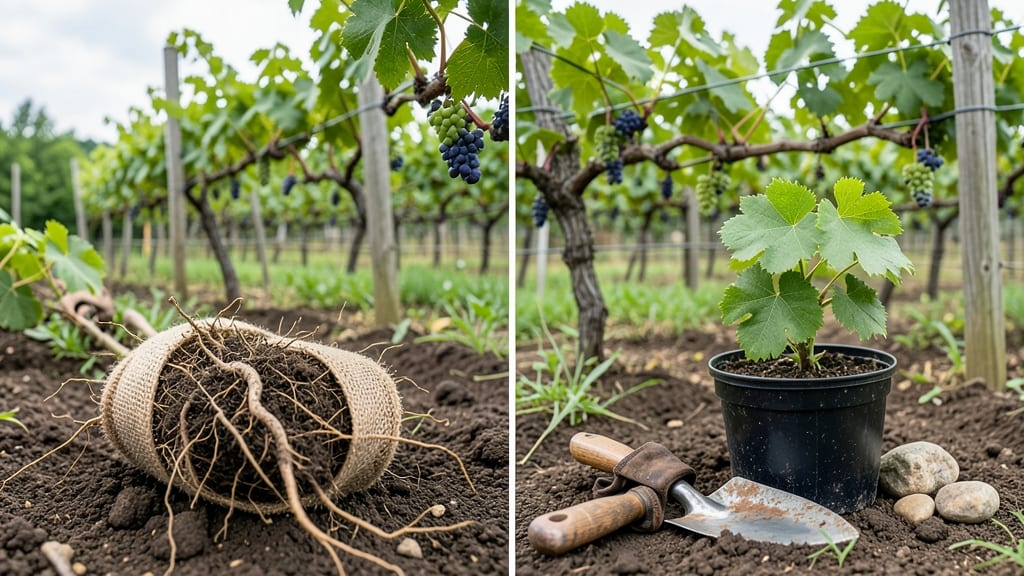
Planting grapes in Florida isn't just about grabbing a vine and sticking it in the dirt—getting the timing right can mean the difference between a thriving 🍇 harvest and a wasted effort.
With Florida's unique USDA zones 8a-11, you've got more flexibility than most gardeners, but soil temperature is your secret weapon for fast germination.
The key is planting when soil temps hit that sweet spot between 50°F and 60°F, which in Florida typically lands in late winter or early spring. This window—usually February to March—gives your vines the perfect head start before summer's intense heat arrives.
But here's where most gardeners trip up: Florida's microclimates mean North Florida's frost risk changes the game compared to frost-free South Florida. We'll break down exactly when to plant in your specific region to avoid common pitfalls like stunted growth or pest problems.
Ready to grow grapes that burst with flavor? I'll walk you through the exact soil temperature triggers, regional planting calendars, and pro tips to maximize your yield—no guesswork required.
Optimal soil temperature ranges for planting grapes in Florida
Florida’s unique climate allows grape cultivation almost year-round, but soil temperature is the key factor determining success. Unlike northern states, Florida’s USDA zones 8a–11 mean grapes can grow in cooler months when soil temps drop slightly.
For seedlings or bare-root plants, aim for soil temperatures between 50°F–60°F—this triggers root development without stressing young vines.
Transplanting established vines thrives when soil reaches 65°F+, ensuring rapid recovery. In North Florida (zones 8a–9a), this typically aligns with February–March, while South Florida (zones 10a–11) can plant as early as December–January. Central Florida falls somewhere in between, usually January–February.
🌱
| Stage | Soil Temp (°F) | Florida Region | Best Months |
|---|---|---|---|
| Seedling Germination | 50°F–60°F | North FL (Zones 8a–9a) | February–March |
| Transplanting | 65°F+ | Central FL (Zones 9b–10a) | January–February |
| Established Vines | 70°F+ | South FL (Zones 10b–11) | December–January |
| Late Summer Backup | 60°F–70°F | All Regions | August–September |
For muscadine grapes, Florida’s native variety, soil temps can tolerate slightly wider ranges (55°F–70°F), making them more flexible for North Florida growers who face occasional frost. Always use a soil thermometer to monitor conditions—especially in microclimates like coastal areas or inland valleys where temps can vary drastically.
If planting in summer (June–July), prioritize shade cloth and drip irrigation to protect young vines from heat stress. Soil temps above 80°F can stunt root growth, so late summer (August–September) is a safer backup window for most Florida regions.
🌡️
Pro tip: Mulch heavily with straw or wood chips (3–4 inches deep) to stabilize soil temps and retain moisture. This is especially critical in South Florida’s dry season (November–April), where rapid evaporation can stress vines during critical root establishment.
In North Florida, where last frost dates can occur as late as January 15, delay planting until soil warms consistently above 55°F.
Use row covers for early starts to protect against unexpected cold snaps, which are more common in USDA zone 8a areas like Jacksonville or Gainesville.
🪴
For wine grapes like Cynthiana (Norton) or Blaufränkisch, which thrive in Florida’s heat, focus on well-draining soil with sandy loam textures. These varieties benefit from slightly cooler soil temps (60°F–65°F) during early growth to prevent bud blast—a fungal issue common in humid Florida summers.
Always test your soil’s pH (6.0–6.5 ideal) before planting, as acidic or alkaline soils can delay germination and weaken vines. Amend with lime (for acidity) or sulfur (for alkalinity) 4–6 weeks before planting to give soil temps time to stabilize.
Optimal soil temperature ranges for planting grapes in Florida
Florida’s unique climate lets you grow grapes year-round, but soil temperature is the secret to fast germination and strong vine growth. Unlike northern climates, Florida’s USDA zones 8a–11 mean you can plant outside traditional spring windows—but only if your soil hits the right temperature triggers.
For germination, aim for 50°F–60°F, while transplanting thrives at 65°F+. These ranges ensure roots establish before summer heat arrives.
North Florida’s cooler winters (zones 8a–9a) align with traditional spring planting, but Central and South Florida (zones 9b–11) can plant in late fall or winter. The key? Soil thermometers—surface temps can mislead.
Dig 4–6 inches deep to check real conditions, especially in sandy soils that heat up fast. Mulching with straw or black plastic can adjust temps by 5–10°F, giving you flexibility in marginal months.
🌱 Grape Planting Soil Temp Guide for Florida
| Stage | Optimal Soil Temp (°F) | Florida Region Timing | Pro Tip |
|---|---|---|---|
| Seed Germination | 50°F–60°F | North FL: Feb–Mar Central FL: Jan–Feb South FL: Dec–Jan |
Use heat mats if soil runs cold. |
| Transplanting Bare-Root | 65°F+ | North FL: Mar–Apr Central FL: Feb–Mar South FL: Jan–Feb |
Avoid midday heat—plant at dusk. |
| Potted Grapes (Any Season) | 60°F–75°F | Year-round (best in cooler months) | Move pots to partial shade in summer. |
Florida’s microclimates shift planting windows by 4–6 weeks. For example, North Florida’s last frost (around January 15) delays ideal planting until March, while South Florida’s frost-free zone lets you plant as early as December.
Even within regions, elevation matters: Hillsborough County’s higher areas may need 2 weeks later than coastal zones. Always check local frost maps (like the UF/IFAS tool) to avoid surprise cold snaps.
If you miss the prime window, don’t panic—late summer (August–September) is a backup for heat-tolerant varieties like Black Beauty or Scuppernong. These grapes handle 90°F+ soils better than European types.
Just mulch heavily and water deeply to protect roots. For wine grapes, stick to cooler months; their delicate flavors suffer in summer heat.
Pro tip: Soil warming tricks work wonders in Florida’s cooler pockets. Lay black plastic mulch 2 weeks before planting to raise temps by 10°F, or use row covers for early starts.
In South Florida, where soil stays warm year-round, focus on shade cloth during germination to prevent heat stress in young vines. Balance is key—too much heat speeds growth but weakens roots.
Remember, germination speed drops below 50°F, and vines planted in soil over 80°F risk root burn. Use these ranges as your planting compass, and Florida’s climate will reward you with year-round harvest potential. 🍇