
Plants
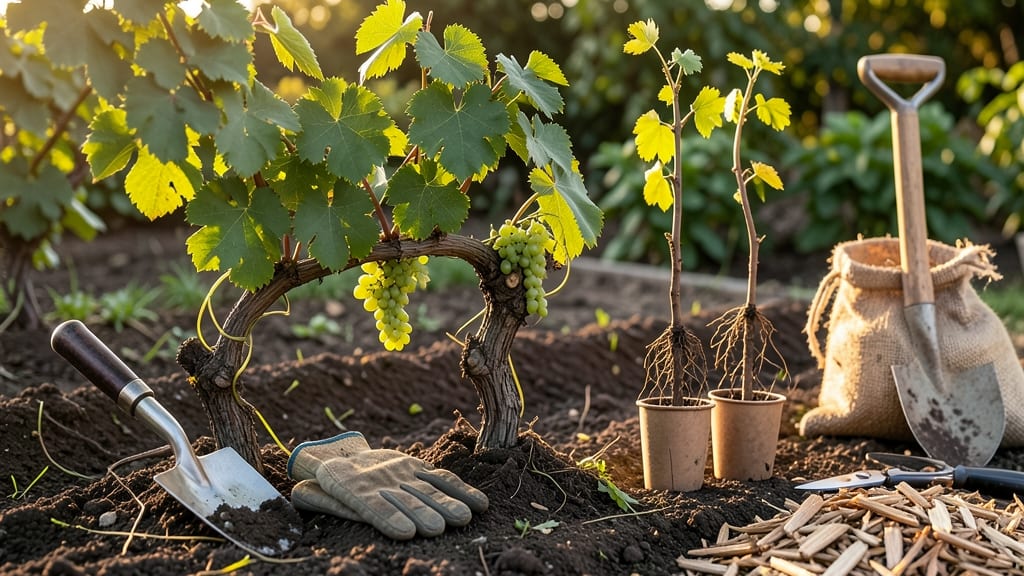
Planting grapes in Alabama might seem straightforward, but getting the timing wrong can mean the difference between a bountiful harvest and wasted effort. The key is understanding your local chill-hour needs and avoiding the dreaded "bolt" risk where vines flower too early and produce no fruit.
Alabama's warm climate—especially in zones 7a-8b—means you can't just follow general planting guides. Most gardeners here should aim for late winter to early spring, but the exact window depends on whether you're growing heat-loving varieties like Muskadine or cooler-adapted types like Norton.
I'll break down the perfect planting schedule to match your grape variety and microclimate.
Why does timing matter so much? Because planting too early exposes your 🍇 grapes to premature budding, while waiting too long can stunt growth. The solution? A strategic approach that considers soil temperature, frost dates, and your specific grape's chill requirements.
Let me show you exactly when to plant for maximum success in Alabama's climate.
Once you've got the timing right, the next steps—like soil prep and site selection—become much easier. We'll cover those essentials too, so you can go from planting to harvest with confidence. Ready to grow grapes that thrive? Let's get started.
Alabama grape planting timeline by chill-hour requirements (avoid bolt risk)
Alabama’s mild winters and hot summers create a tricky balance for grape growers. The biggest mistake? Planting too early and triggering bolt risk, where vines flower prematurely but fail to fruit due to insufficient chill hours.
Most Alabama varieties need 300-800 chill hours (below 45°F) to break dormancy properly. Let’s break down the perfect planting windows by variety and microclimate.
Your first step is checking your local last frost date, which typically falls between mid-March and early April across Alabama. Planting 4-6 weeks before this date gives vines time to establish roots before warm weather arrives.
For example, North Alabama (Zone 7a) can start as early as late February, while South Alabama (Zone 8a) should wait until early March.
Bolt risk is highest for varieties needing 500+ chill hours, like Chardonnay or Cabernet Sauvignon. These struggle in Alabama’s Zone 7b-8a unless you use dormant planting (bare-root vines in winter) or choose low-chill varieties like Muscadine or Norton. Always verify a variety’s chill-hour requirement before planting!
🌱
Alabama Grape Planting Guide by Chill-Hour Needs
| Variety | Chill-Hour Needs | Best Planting Window | Bolt Risk Level | Notes |
|---|---|---|---|---|
| Muscadine | 200-300 | Feb 15 - Mar 15 | Low | Native to AL; thrives in heat |
| Norton (Cynthiana) | td style="padding: 8px; border: 1px solid #7b5a9b;">400-500Feb 28 - Mar 20 | Moderate | AL state grape; needs winter chill | |
| Traminette | 300-400 | Mar 1 - Mar 25 | Low-Moderate | Hybrid; great for containers |
| Chardonnay | 600-800 | Dormant (Dec-Feb) | High | Use bare-root in winter only |
| Cabernet Sauvignon | 700-900 | Dormant (Dec-Feb) | Very High | Risky in AL; needs winter chill |
For North Alabama gardeners (Zones 7a-7b), aim to plant Muscadine or Norton between February 15 and March 15. These varieties handle Alabama’s 300-500 chill hours without bolting. In South Alabama (Zone 8a), delay planting until March 1 to March 25 to avoid heat stress on newly planted vines.
If you’re growing high-chill varieties like Chardonnay or Cabernet Sauvignon, your only option is dormant planting—purchase bare-root vines in December or January and plant them immediately. These vines need 600+ chill hours, which Alabama’s mild winters often can’t provide naturally.
For best results, plant them in shaded, north-facing locations to reduce heat stress.
Pro tip: Use a soil thermometer to monitor ground temperatures. Vines should go into 60°F soil before planting. If temperatures rise above 80°F before roots establish, vines will bolt or wilt. Mulch heavily with straw or wood chips to keep roots cool and moist during Alabama’s summer heat.
🌿
Microclimates matter! Coastal areas like Mobile or Pensacola (Zone 8a) have few
Alabama grape planting timeline by chill-hour requirements (avoid bolt risk)
Alabama's 🍇 grape varieties thrive when planted at the right time—especially considering chill-hour needs. Most Alabama gardeners face a critical choice: plant too early and risk bolt (premature flowering), or wait too long and delay growth.
The solution? Match your planting window to your grape's chill-hour requirements and your local microclimate.
For example, Muskadine grapes (native to Alabama) need only 200-400 chill hours, while Norton grapes require 500-700 chill hours. If you're in Zone 7a, aim for late February to early March. In warmer Zone 8a, push planting to late March to avoid early budding.
Here’s how to align your planting with Alabama’s frost dates and chill requirements:
Notice how Muskadine grapes can handle Alabama’s mild winters with fewer chill hours, while Cabernet Sauvignon needs cooler conditions. If you’re in a warmer microclimate (like Mobile), delay planting until late March to avoid bolt risk. For cooler areas (like the Appalachian foothills), early March is ideal.
Pro tip: Check your local last frost date (usually mid-March in Alabama) and plant 4-6 weeks before to give vines time to establish roots. Use mulch to regulate soil temperature and protect young roots from temperature swings.
Once you’ve picked the right variety and timing, the next step is soil prep—focus on well-draining, slightly acidic soil (pH 6.0-6.5) and full sun exposure. This sets the stage for healthy growth and a bountiful harvest.