
Plants
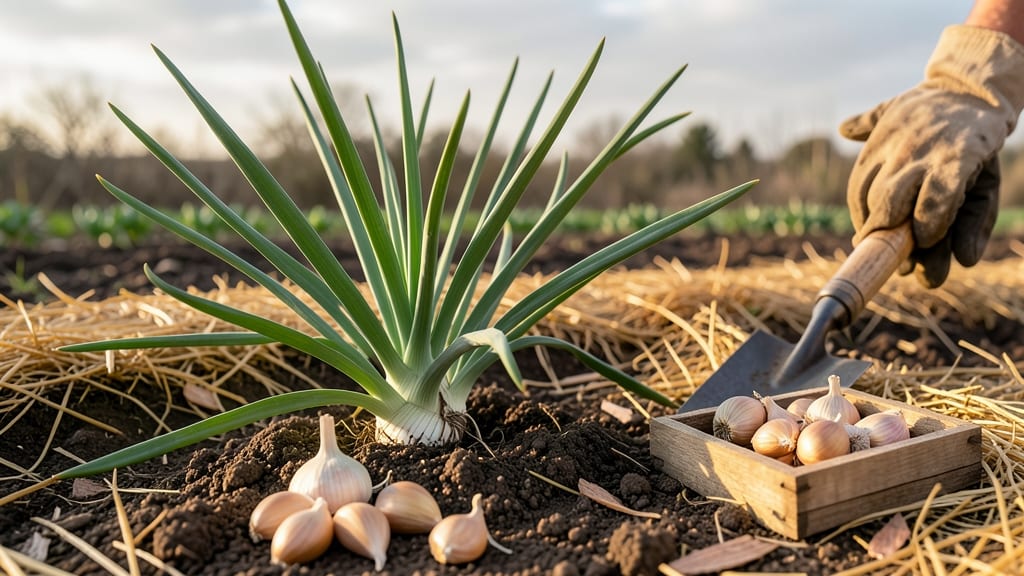
Timing your garlic 🧄 planting in Virginia isn't just about the calendar—it's about unlocking the secret to plump, flavorful bulbs that outperform store-bought varieties. The key window is October through November, but did you know the moon's phase can make or break your harvest?
Planting during the right lunar cycle boosts root development, leading to bigger yields and fewer pests.
Virginia's 7a-8a climate zones demand precision, and missing the fall window means waiting another year for that fresh garlic harvest. Whether you're a seasoned gardener or just starting, aligning your planting with nature's rhythms—like the root-sign moon phase—can transform your garden's success rate.
Let's dive into the exact timing, soil prep, and lunar tricks that will have your garlic thriving.
Most gardeners focus only on the planting date, but the real game-changer is understanding how to prepare your soil and space your cloves for maximum growth. In Virginia, where winters can be unpredictable, getting this right means the difference between a meager harvest and a bounty of late July-August garlic.
I'll walk you through the steps to set your garlic up for success from day one.
Ready to grow garlic that rivals the pros? You'll discover how to time your planting with the moon, adjust for Virginia's microclimates, and avoid common mistakes that waste your effort. By the end, you'll have a clear, actionable plan to plant garlic that's not just surviving—but thriving—right in your backyard.
Best months to plant garlic in Virginia (with moon phase tips)
Virginia’s climate zones 7a-8a create a sweet spot for garlic—cool winters and warm summers—but timing is critical. The ideal window is October through November, when soil temps drop below 70°F but before the ground freezes.
This lets cloves establish roots before dormancy. Coastal areas (like Norfolk) can plant 1-2 weeks later than the Piedmont or mountains, where frost hits earlier.
Most gardeners focus on fall planting, but spring is possible if you’re late. For spring, aim for February to early March—just don’t wait past the last spring frost (early April), or your harvest will suffer.
Hardneck varieties (like ‘Music’ or ‘German White’) thrive in Virginia’s winters, while softnecks (‘Silverskin’) need milder conditions.
Here’s the golden rule: Plant 4-6 weeks before the first hard frost (mid-November in most of VA). This gives roots time to anchor before winter. Use a moon phase calendar to fine-tune—root-sign phases (when the moon is in Aries, Taurus, or Cancer) boost bulb development.
I’ll show you how to use this later in the guide.
🌱 Virginia Garlic Planting Timeline
| Stage | Action | Moon Phase Tip |
|---|---|---|
| Soil Prep | Test pH (6.0-7.0); add compost | Root-sign moon (Aries-Taurus) |
| Planting | October-November, 4" deep | Waxing moon (root growth) |
| Winter | Mulch 2-3"; no water | Dormant phase (no lunar focus) |
| Spring | Light feed in March | Leaf-sign moon (Gemini-Cancer) |
| Harvest | Late July-August | Fruit-sign moon (Leo-Virgo) |
If you’re in Zone 7a (mountains), like Blacksburg, plant by October 15th to avoid early frosts. Coastal gardeners in Zone 8a (Virginia Beach) can extend planting until November 15th.
Pro tip: Use hardneck varieties in colder zones—they handle winter better. For softnecks, stick to milder Piedmont areas or use row covers in winter.
Spring planting is riskier but works if you’re late. Start seeds indoors in January for transplants by March. However, spring garlic rarely matches fall-planted yields. If you choose this route, prioritize early-maturing varieties like ‘Creole’ to beat the heat.
One common mistake? Planting garlic in summer or early fall (August-September). Soil temps are too high, causing cloves to rot before rooting. Always check soil temps with a thermometer—ideal planting temps are 40-50°F. In Virginia, this aligns with October’s cool-down.
For lunar alignment, aim for a waxing moon in Aries, Taurus, or Cancer—these phases enhance root development. I’ll dive deeper into moon phase strategies in the next section, but this is your cheat code: Plant during the root-sign phases for bulbs that rival store-bought (but taste 10x better).
Ready to dig in? Grab your cloves, a moon phase app, and let’s get planting. The key to Virginia garlic success? Cool soil, crisp air, and a little lunar magic. 🌱
Best months to plant garlic in Virginia (with moon phase tips)
In Virginia’s USDA zones 7a-8a, the best time to plant garlic is between mid-October and November, about 4-6 weeks before the ground freezes. This timing lets garlic establish roots before winter dormancy, ensuring larger bulbs by harvest.
Coastal areas (like Norfolk) may extend planting into early December, while mountainous regions (like Roanoke) should plant by late October.
Fall planting is critical because garlic needs cold vernalization—a period of chilling—to develop properly. Skipping this step can result in smaller, weaker bulbs or even no harvest. Spring planting is possible but risky; cloves planted in February or March may bolt (flower) early, reducing bulb size.
🌱 Virginia’s Ideal Garlic Planting Windows
| Region | Best Planting Month | Moon Phase Tip | Variety Recommendation |
|---|---|---|---|
| Coastal (Zone 8a) | Late October–Early December | Root sign (🌱 growing moon) | Silverskin (softneck) |
| Piedmont (Zone 7b) | Mid-October–November 15 | Root sign (🌱 growing moon) | Hardneck (e.g., Rocambole) |
| Mountains (Zone 7a) | Late September–October 31 | Root sign (🌱 growing moon) | Artichoke (hardneck) |
For hardneck garlic (the variety favored by Virginia growers for its bold flavor and scapes), aim for planting by November 1st. Hardnecks need cold to form bulbs, while softneck varieties (like Silverskin) can tolerate slightly later planting but still benefit from early fall dates.
Check your local last frost date—Virginia’s average first hard frost is mid-November, so plan accordingly.
Pro tip: Use a moon phase calendar to plant during the root sign (when the moon is in Taurus, Virgo, or Capricorn). This aligns with garlic’s root development phase, promoting stronger bulb formation. Avoid planting during a full moon or new moon, as these phases can stress young cloves.
If you miss the fall window, spring planting is possible but requires extra care. Plant in February or early March, using black garlic seed (pre-sprouted cloves) to jumpstart growth. Mulch heavily to retain moisture and protect from late frosts. However, expect smaller bulbs compared to fall-planted garlic.
Remember: Soil temperature matters too. Garlic cloves won’t sprout until the soil cools to below 70°F. Use a soil thermometer to confirm readiness—this is especially important in Virginia’s humid subtropical climate, where warm soils can delay germination.