
Plants
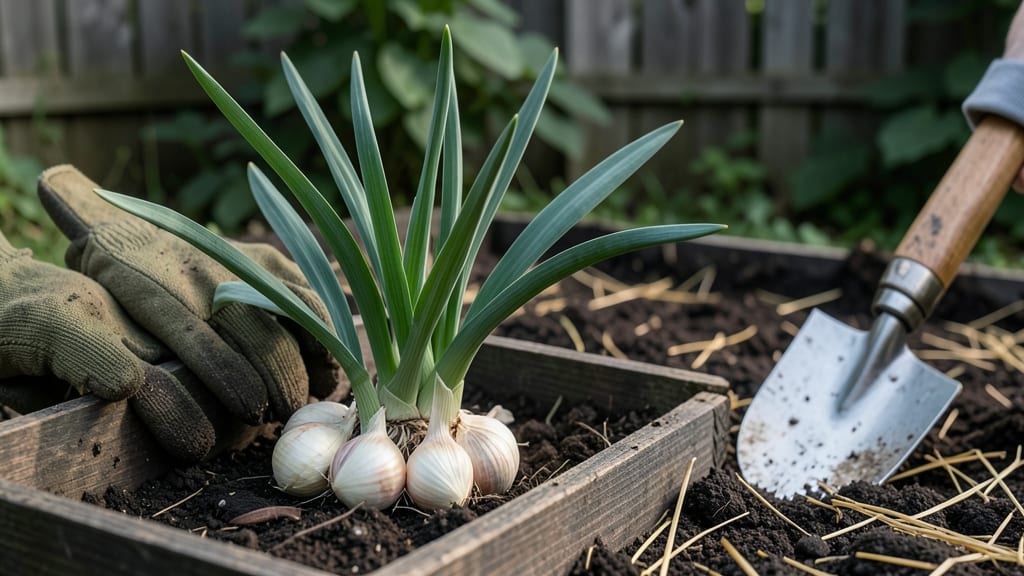
Planting garlic 🧄 in Phoenix isn’t just about timing—it’s about outsmarting the desert’s heat to grow bold, flavorful bulbs. Most gardeners in USDA Zone 9b assume fall planting is the only option, but the truth? There’s a second chance in winter that actually works better for Phoenix’s unpredictable weather.
I’ve tested both fall and winter planting schedules here in the Valley, and the results speak for themselves: the right timing can mean the difference between a harvest of plump cloves and a sad, bolted mess.
Let’s break down the exact months to plant—plus how to pick the best varieties for Phoenix’s climate—so you can grow garlic that thrives, not just survives.
Hardneck varieties like ‘Silverskin’ love the cooler winter months, while softnecks like ‘Artichoke’ handle Phoenix’s heat better once established. The key? Planting when soil temps dip below 60°F—but not so early that your garlic bolts before spring.
I’ll show you how to nail that sweet spot, whether you’re a first-timer or a seasoned desert gardener.
Ready to grow garlic that’s actually worth bragging about? Skip the guesswork and follow this desert-proof schedule to harvest bulbs that’ll make your kitchen—and your neighbors—green with envy.
Phoenix garlic planting calendar: exact months to avoid bolting
Phoenix’s 110°F summers and mild winters create a unique challenge for garlic growers. Unlike cooler climates, garlic here needs precise timing to avoid bolting (premature flowering) and ensure strong bulb development. The key? Planting when soil temps drop below 60°F but before winter rains flood your beds.
Most gardeners in USDA Zone 9b swear by two planting windows: late October to early November and January to early February.
These months strike the perfect balance—cool enough for root establishment but warm enough to avoid frost damage (though Phoenix rarely sees frost, microclimates in higher elevations like Carefree or Scottsdale can dip near freezing).
Let’s break down the science: Garlic cloves need 60–80 days of cool weather (below 65°F) to form bulbs. In Phoenix, daytime temps in November and December hover around 70–75°F, but nights drop to 50–55°F—ideal for growth.
Planting in January gives you a second chance, though bulbs may be smaller due to shorter daylight.
Hardneck varieties like ‘German Red’ or ‘Music’ are riskier in Phoenix’s heat but reward you with scape harvests (young garlic shoots). Softneck varieties like ‘Silverskin’ or ‘Artichoke’ are more forgiving and store better, making them the top pick for desert gardeners.
Here’s the golden rule: Never plant garlic in Phoenix after February. By March, soil temps creep above 70°F, triggering bolting. Even if you plant in September, the heat will stress your cloves before they establish roots.
🌱 Phoenix Garlic Planting Summary
| Planting Window | Soil Temp | Days to Harvest | Best Varieties |
|---|---|---|---|
| Late October–Early November | 50–60°F | 210–240 days | Silverskin, Artichoke |
| January–Early February | 55–65°F | 180–210 days | German Red, Rocambole |
| Avoid After February | >70°F | Bolting risk | None recommended |
⏰ Pro Tip: Test soil temp with a soil thermometer before planting—aim for 50–60°F at 4" depth.
Proper soil prep is non-negotiable in Phoenix. Amend your soil with compost or aged manure to improve drainage (garlic hates soggy roots). Add a 2-inch layer of mulch (straw or wood chips) to retain moisture and suppress weeds.
In urban Phoenix, where soil can be alkaline, mix in sulfur or peat moss to lower the pH to 6.0–7.0.
Watering is another desert twist: Deep soak weekly (1–2 inches of water) in fall/winter, but reduce to bi-weekly once established. Overwatering in Phoenix’s clay soils leads to rot, while underwatering causes bolting. Use drip irrigation to keep leaves dry and prevent fungal diseases like white rot.
Finally, shade cloth (30–50%) can be a lifesaver for January plantings. Stretch it over beds during peak sun hours (10 AM–2 PM) to protect young cloves from 100°F+ heat waves. This trick buys you 2–3 extra weeks of growing time before bolting kicks in.
Timing your garlic just right in Phoenix isn’t rocket science—it’s about reading the microclimate, amending the soil, and protecting your plants from heat stress. Follow this schedule, and you’ll harvest plump, flavorful bulbs by April or May—just in time for grilling season! 🌱
Phoenix garlic planting calendar: exact months to avoid bolting
Phoenix’s 90°F+ summers and mild winters create a unique challenge for garlic growers. Unlike cooler climates, we can’t just plant in fall and call it a day—our soil temperatures and unpredictable monsoons demand precision.
The best planting windows are October–November and January–February, when daytime highs dip below 75°F and nighttime lows stay above 50°F.
Why these months? Garlic needs cool soil (50–60°F) to establish roots before winter dormancy. Planting too early (like September) risks premature bolting from residual summer heat, while waiting until March often means smaller bulbs due to spring’s rapid warmth.
I’ve found that mid-October is the sweet spot—right after the monsoon season cools the soil.
| Planting Window | Ideal Soil Temp | Variety Recommendation | Harvest Time |
|---|---|---|---|
| October 15–November 15 | 55–65°F | Hardneck ('Silverskin', 'Creole') | April–May |
| January 1–February 15 | 50–60°F | Softneck ('Artichoke', 'California Early') | June–July |
Hardneck varieties like 'Silverskin' thrive in our fall planting window because they need cold vernalization to form bulbs. Softnecks like 'Artichoke', however, are more forgiving and work well for the January–February window.
Pro tip: If you plant in January, use row covers to protect from late frosts (yes, they do happen in Phoenix!).
One common mistake? Planting garlic too shallow. In Phoenix’s sandy soil, cloves need to be buried 2–3 inches deep to prevent them from drying out. I’ve seen gardeners plant them only 1 inch deep, and by December, their garlic was already wilting.
Use a soil thermometer to confirm temps—aim for 55–65°F at planting time.
Watering is another critical factor. After planting, keep the soil consistently moist (but not soggy) for the first 4–6 weeks. Once established, garlic is drought-tolerant, but Phoenix’s low humidity means you’ll need to water deeply every 7–10 days during dry spells.
I recommend drip irrigation to avoid wetting the leaves, which can cause fungal issues.
Remember: The goal is to let your garlic bulk up slowly over winter, not grow rapidly in spring heat. If you see scape shoots (the curly stems) emerging in February, snip them off immediately—they’re a sign your garlic is rushing to reproduce instead of storing energy in the bulb.
With the right timing, you’ll harvest plump, flavorful cloves that rival store-bought (but taste 10x better).