
Planting
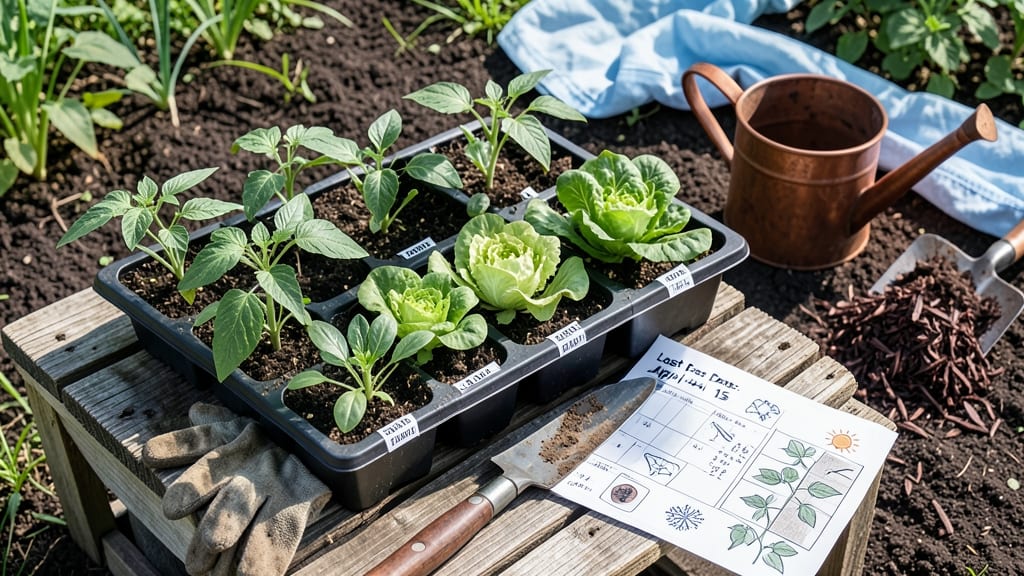
Timing when to plant your garden in Indiana just right can mean the difference between a thriving harvest and a sad pile of frost-bitten seedlings. The key to success lies in understanding when to plant—because Indiana’s unpredictable spring weather makes guessing a risky game.
Whether you’re dreaming of crisp lettuce or juicy tomatoes, knowing your last frost dates by region is the game-changer. From northern Indiana’s cooler zones to southern areas with earlier warm-ups, the right schedule ensures your plants get the head start they need.
Let’s break down exactly when to put those seeds in the ground for a bountiful season.
You don’t have to rely on luck or outdated advice—this guide covers everything from cool-season crops like peas and spinach to warm-season favorites like peppers and beans.
We’ll also share pro tips to protect your plants from late frosts, so you can enjoy fresh produce from your garden all summer long.
Ready to turn your backyard into a productive oasis? Grab your gloves and let’s get planting—on the right schedule, of course!
Indiana last frost dates by region: when to plant cool-season crops
Indiana’s last frost dates vary dramatically between northern (USDA Zone 5) and southern (Zone 6) regions, creating a 2-3 week difference in planting windows. For cool-season crops like lettuce, spinach, and peas, timing is everything—plant too early, and a late freeze will wipe out your seedlings.
Too late, and you’ll miss the optimal harvest window before summer heat sets in.
According to Purdue Extension, northern Indiana typically sees its average last frost between April 15-30, while southern Indiana can expect frost-free conditions by April 1-15.
However, these are just averages—microclimates (like low-lying areas or urban heat islands) can shift your local frost date by 1-2 weeks in either direction.
To play it safe, I recommend using the 10-day rule: Wait 10 days after your region’s average last frost date before planting heat-sensitive crops. For example, if your last frost is April 20, hold off until May 1 to avoid frost damage.
This buffer accounts for Indiana’s unpredictable late frosts, which can occur as late as May 10 in some years.
Here’s how to adjust for your specific Indiana region using our frost date comparison table:
For hardy cool-season crops like peas and spinach, you can actually plant 4-6 weeks before your average last frost date. These plants tolerate light frosts and can even thrive in cooler temperatures.
In contrast, lettuce and cabbage should wait until 2 weeks after your last frost date to avoid bolting (premature flowering) from warm soil.
Pro tip: Use Purdue’s Frost/Freeze Probability Tool to check real-time frost predictions for your specific ZIP code. This free resource adjusts for local conditions and gives you a 90% accuracy forecast for your planting window.
I’ve used it for years, and it’s saved me from multiple late-spring frosts that would’ve ruined my early plantings.
If you’re in a microclimate (like a valley or near a large body of water), add 1-2 extra weeks to the average frost date. These areas tend to stay cooler longer and are more prone to late-season frosts.
For example, if you’re gardening near Lake Michigan in northern Indiana, wait until May 10 before planting heat-sensitive crops like broccoli or Brussels sprouts.
Don’t forget about soil temperature—cool-season crops need soil that’s at least 40°F (4°C) to germinate properly. Use a soil thermometer to check before planting.
If your soil is still cold and soggy in early spring, wait a few more days. Warm soil speeds up germination and helps seedlings establish faster, giving them a better chance to survive any lingering late frosts.
For successive planting, plan to sow cool-season crops every 2 weeks until June 1. This staggered approach ensures a continuous harvest and maximizes your garden’s productivity. For example, plant spinach on May 1, May 15, and June 1—you’ll get three harvests instead of just one.
Finally, keep an eye on the 10-day forecast before planting. If frost is predicted within 48 hours, cover young seedlings with row covers or old blankets.
I’ve lost entire rows of radishes to a surprise frost, but a simple floating row cover can protect them until temperatures rise.
Best planting schedule for warm-season vegetables in Indiana gardens
Warm-season vegetables like tomatoes, peppers, and cucumbers need consistent warmth to thrive—so timing is everything in Indiana’s climate.
Unlike cool-season crops, these plants won’t tolerate frost, so wait until after the average last frost date (typically mid-May in northern Indiana and early May in southern regions) before planting.
But here’s the catch: soil temperature matters just as much as air temperature. Most warm-season veggies prefer soil that’s at least 60°F (15°C). Use a soil thermometer to confirm—planting too soon in cold soil can stunt growth or invite disease.
In Indiana, this usually aligns with late May to early June, depending on your microclimate.
🌱
Warm-Season Planting Guide for Indiana
| Plant | Soil Temp Requirement | Planting Window | Days to Harvest |
|---|---|---|---|
| Tomatoes | 60-65°F (15-18°C) | Late May - June | 60-85 days |
| Peppers | 70°F+ (21°C+) | Mid-May - June | 70-90 days |
| Cucumbers | 55-60°F (13-15°C) | Early May - June | 50-70 days |
| Beans | 60°F+ (15°C+) | Late April - June | 45-60 days |
*Adjust dates 1-2 weeks earlier for southern Indiana or later for northern regions.
For tomatoes and peppers, consider starting seeds indoors 6-8 weeks before your last frost date. This gives them a head start, but be ready to harden off seedlings before transplanting.
A pro tip: Use black plastic mulch to warm the soil faster and deter weeds—this can shave off crucial days waiting for the ground to heat up.
Don’t forget about succession planting for fast growers like beans and cucumbers. Plant a second batch 2-3 weeks after the first to stretch your harvest. In Indiana’s short growing season, every extra week counts! Just be sure to monitor weather forecasts—those unpredictable late frosts can still sneak in.
☀️
If you’re in doubt, err on the side of caution. Warm-season plants stressed by cold soil or air will struggle to recover, leading to poor yields. Check Purdue Extension’s Indiana Weather and Climate resources for real-time updates on frost risks and soil temps.
With the right timing, you’ll be enjoying homegrown tomatoes and peppers by midsummer!