
Planting
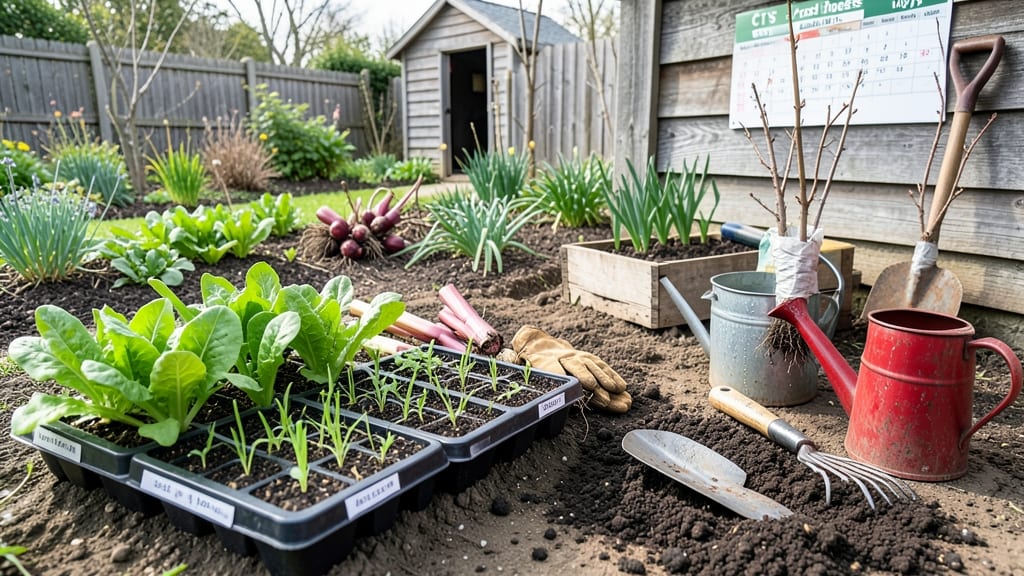
Timing your garden planting in Connecticut can feel like playing a high-stakes game of chance—one wrong move with frost, and your hard work could vanish overnight. But here’s the good news: with the right strategy, you can outsmart Connecticut’s unpredictable weather and grow a thriving garden year after year.
Whether you’re dreaming of crisp spring lettuce or juicy summer tomatoes, knowing when to plant in CT’s USDA Zone 6a is everything. The last frost typically arrives around mid-April, but coastal areas may warm up a week earlier, while inland zones can lag behind.
This guide will help you navigate those tricky windows so you can start planting with confidence.
We’ll break down exactly which plants thrive in Connecticut’s spring soil and which should wait for warmer months. From frost-tolerant greens to heat-loving peppers, you’ll learn the perfect timing for each—plus pro tips to extend your growing season.
No more guessing games, just lush, productive plants from March through September.
Ready to transform your garden from a gamble into a guaranteed success? Let’s dive into the ideal planting schedule for Connecticut’s climate, so you can enjoy fresh harvests all season long—without the stress of last-minute frost surprises.
Connecticut frost dates by region: when to plant cool-season vs warm-season crops
Connecticut’s diverse climate—from coastal areas to inland valleys—means frost dates vary dramatically. The average last frost for most of the state falls between April 15 and May 1, but northern regions like Litchfield County can experience frost until May 15.
Coastal areas, like New London, often warm up earlier, sometimes by 2 weeks. Always check local forecasts or use the USDA Plant Hardiness Zone Map (Zone 6a for most of CT) to guide your planting schedule.
To succeed, divide your garden into cool-season crops (like lettuce and peas) and warm-season crops (like tomatoes and peppers). Cool-season plants thrive in 50-65°F soil temperatures, while warm-season crops need 60-85°F to germinate.
Planting too early risks frost damage, while waiting too late can shorten harvests. Use these regional guidelines to time your plantings perfectly.
| Region | Last Frost Date | Cool-Season Plants (Direct Sow) | Warm-Season Plants (After Frost) |
|---|---|---|---|
| Coastal (New Haven, New London) | April 15 | Spinach, peas, lettuce (March 15) | Tomatoes, peppers (May 1) |
| Inland (Hartford, New Britain) | April 30 | Kale, carrots, radishes (March 30) | Cucumbers, beans (May 15) |
| Northern (Litchfield, Torrington) | May 15 | Broccoli, cabbage (April 15) | Peppers, eggplants (June 1) |
🌱 Pro Tip: Use row covers to extend cool-season planting by 2-3 weeks.
For cool-season crops, start seeds indoors 4-6 weeks before your region’s last frost date. Hardy varieties like spinach and peas can handle light frosts, but lettuce and radishes may bolt if exposed to 70°F+ temperatures too early.
In coastal CT, begin sowing broccoli and cauliflower as early as March 1, while inland gardeners should wait until March 15.
Warm-season crops are trickier because they won’t germinate in cold soil. Test soil temperature with a soil thermometer—it should reach 60°F+ for tomatoes and peppers. In coastal areas, plant tomatoes and cucumbers by May 1, but wait until May 15 in inland regions.
Northern CT gardeners should delay until June 1 to avoid frost damage. Use black plastic mulch to warm soil faster if needed.
Don’t overlook succession planting for continuous harvests. For example, sow bush beans every 2 weeks from late May to July. This ensures a steady supply while maximizing your garden’s potential. Keep a planting journal to track what works best in your microclimate—CT’s short growing season demands precision!
If you’re unsure about your specific frost date, sign up for local weather alerts or use resources like the Connecticut Agricultural Experiment Station’s frost maps. These tools provide real-time updates, helping you adjust planting dates based on unpredictable spring weather.
For example, a late frost in May 2023 delayed warm-season planting by 2 weeks in many CT regions.
For flowers and herbs, timing varies. Marigolds and nasturtiums are frost-tolerant and can be planted as early as April 1, while basil and petunias need to wait until after the last frost.
Herbs like cilantro bolt quickly in heat, so plant it in early spring or late summer for the best results.
Microclimates play a huge role in CT gardening. A south-facing slope warms up faster than a north-facing yard, allowing you to plant 2 weeks earlier in sunny spots. Use windbreaks or frost cloths to protect tender plants in exposed areas.
Even a 5°F difference can mean the difference between success and failure for frost-sensitive crops like peppers.
Finally, don’t forget about fall planting! Many cool-season crops thrive in September and October when temperatures drop. Plant kale, carrots, and spinach by August 15 for a late-season harvest.
First frost typically arrives between October 15 and November 1, so time your fall crops to mature before then.
By mastering these region-specific frost dates and adjusting for microclimates, you’ll transform your CT garden into a year-round productivity powerhouse. Start with these guidelines, then refine your approach based on your unique growing conditions. Happy planting! 🌿
How to extend your Connecticut planting season for earlier harvests
Connecticut’s short growing season doesn’t mean you have to settle for fewer harvests. With the right strategies, you can push back spring frost dates and extend your fall planting window by weeks—sometimes even months.
I’ve tested these methods in my own garden, and they’ve helped me grow broccoli in March and kale well into November.
One of the simplest ways to get an earlier start is by using row covers or floating row covers. These lightweight fabrics trap heat and protect young plants from late spring frosts while still allowing sunlight and water to pass through.
I’ve seen spinach and lettuce thrive under covers planted as early as mid-February in my coastal Connecticut garden.
For a more permanent solution, consider building a cold frame. These low, clear-topped boxes create a microclimate that can extend your growing season by 4-6 weeks in both spring and fall.
I use mine to start tomato and pepper seedlings indoors in late January, then transplant them outside after the last frost. The key is to open the cold frame on warm days to prevent overheating.
- 1. Use row covers to protect cool-season crops like carrots and radishes from late frosts (plant as early as February).
- 2. Build a cold frame for early starts on tomatoes, peppers, and cucumbers—begin indoors in January.
- 3. Try succession planting every 2-3 weeks to ensure a continuous harvest of lettuce and bush beans.
- 4. Plant frost-hardy varieties like kale, swiss chard, and spinach in late summer for fall/winter harvests.
- 5. Use black plastic mulch to warm soil 2-4°F warmer than bare ground, speeding up spring planting.
Don’t overlook succession planting, either. Instead of planting all your bush beans or radishes at once, stagger them every 2-3 weeks for a non-stop harvest. This works especially well for fast-growing crops that mature in 30-60 days.
In my garden, this means I get fresh radishes from May through July without a single gap.
For fall planting, focus on cold-hardy vegetables like broccoli, cabbage, and beets. These can handle light frosts and often taste sweeter after a light freeze.
I plant mine in late August for harvests through October. To protect them, I use frost blankets on nights when temperatures dip below 28°F.
Finally, pay attention to microclimates in your yard. A south-facing wall or sunny slope can create a warmer microclimate where you can plant warm-season crops like peppers a week or two earlier.
I’ve even grown zucchini successfully in a protected corner planted in early May, when other parts of my garden were still too chilly.