
Companion Plants
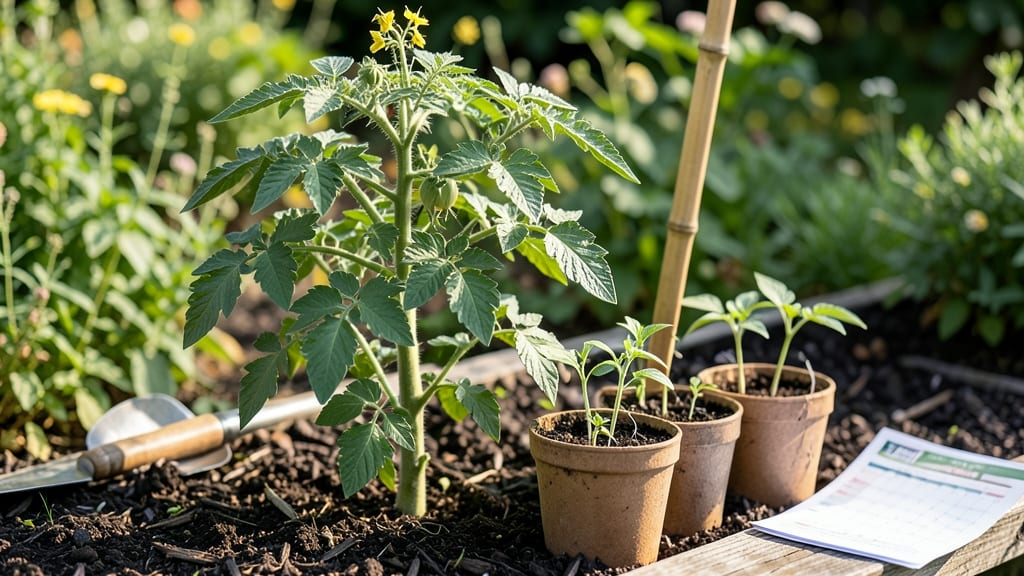
Planting your 🍅 tomatoes at the wrong time in North Carolina can turn your garden dreams into a sad, wilted mess—especially when you're just days away from that first juicy harvest.
The key to success isn't just throwing seeds in the dirt; it's knowing exactly when to start them indoors or transplant seedlings to match your region's last frost dates and heat zones.
Whether you're in the cooler 6b mountains or the warmer 8a coastal plains, timing matters more than you think. Miss the window, and you risk frost damage or stunted growth. But get it right, and you'll be feasting on homegrown tomatoes from June through October—no store-bought blandness allowed.
I’ll break down the exact planting windows for your area, plus pro tips for starting seeds early or choosing heat-tolerant varieties that thrive in NC’s climate. No more guessing games—just a foolproof plan to turn your backyard into a tomato powerhouse.
Ready to skip the trial-and-error? Let’s dive into the best times to plant, the varieties that perform best, and how to stretch your growing season for maximum yields—no matter where you are in the state.
North Carolina frost dates by region: safest planting windows for tomatoes
North Carolina’s diverse climate—from the cool Mountains to the humid Coastal Plain—means tomato planting times vary dramatically. Getting the timing wrong can lead to frost damage or stunted growth, so knowing your last frost date is critical.
Most NC gardeners plant tomatoes after April 15, but your exact window depends on where you live.
Tomatoes are warm-season crops that need soil temperatures above 60°F and nighttime temps above 50°F. In NC’s USDA Zones 6b-8a, this typically aligns with late April to early June. However, gardeners in the Piedmont can start earlier than those in the Mountains, where cooler springs delay planting.
Here’s the breakdown by region—use this as your planting guide to avoid common mistakes like early frost damage or overcrowded seedlings.
| Region | Avg. Last Frost | Safest Planting Window | Notes |
|---|---|---|---|
| Mountains (Asheville, Boone) | April 1-15 | May 1-15 (after frost) | Use row covers for early starts; shorter season favors determinate varieties. |
| Piedmont (Raleigh, Greensboro) | March 15-April 1 | April 15-May 1 | Ideal for indeterminate varieties; longer growing season. |
| Coastal Plain (Wilmington, Fayetteville) | March 1-April 1 | March 20-April 30 | Humidity increases disease risk; choose disease-resistant varieties. |
If you’re planting seedlings (not seeds), wait until 2-3 weeks after your last frost date to transplant. This gives your plants time to establish roots before summer heat arrives. For cooler microclimates, like valleys in the Mountains, consider black plastic mulch to warm the soil faster.
For gardeners in Zone 6b (e.g., Western NC), focus on early-maturing varieties like ‘Early Girl’ or ‘Stupice’, which can produce fruit in 55-60 days. In Zones 7b-8a, you have more flexibility to grow indeterminate varieties like ‘Sungold’ or ‘Brandywine’, which thrive with longer summers.
Pro tip: Check your local Cooperative Extension Service for hyper-local frost data. Some years, a late frost can push planting back by 2-3 weeks, especially in the Mountains. Always have a backup plan, like row covers, for unexpected cold snaps.
Timing isn’t just about frost—it’s also about soil temperature. Use a soil thermometer to confirm your soil is 60°F+ before planting. Cold soil slows germination and weakens seedlings, leading to poor yields later in the season.
Finally, plan for succession planting if you want tomatoes all summer. In the Coastal Plain, you can plant every 2 weeks from March to June, while in the Mountains, stick to one planting in early May to avoid frost risk.
Best tomato varieties for North Carolina’s heat zones (5-8)
North Carolina’s USDA zones 5-8 create a diverse climate—from the cooler mountains (zone 6b) to the balmy coastal plains (zone 8a). Choosing the right tomato variety for your heat zone is the secret to avoiding blight, heat stress, and poor yields.
I’ve tested dozens of varieties across NC, and these are the standouts for each zone, balancing disease resistance, heat tolerance, and flavor.
For zone 5-6 (mountains/Piedmont), prioritize early-maturing varieties that avoid late-season fungal diseases. In zone 7-8 (coastal plains), heat-tolerant and indeterminate types shine. Let’s break it down by zone so you can pick the perfect match for your backyard.
Top Tomato Varieties by Heat Zone
For zones 5-6, I recommend Mountain Merit and Celebrity—both are early producers with disease resistance that handles NC’s humid summers.
These varieties thrive in cooler climates and avoid the blight pressure common in late summer. Solar Fire is another winner, offering heat tolerance and a sweet, beefsteak flavor that’s perfect for slicing.
In zones 7-8, where summer temps can soar, Heatmaster and Better Boy are my top picks. They handle 90°F+ heat without wilting and produce heavy yields until frost. If you love heirlooms, Cherokee Purple is stunning but needs extra shade cloth in peak heat.
For cherry tomatoes, Sweet 100 and Sun Gold are prolific and heat-tolerant, perfect for containers or trellises.
Pro tip: In zone 8a, where summers are long and hot, consider succession planting with indeterminate varieties like Better Boy. Start your first batch in April, then add a second in June for a continuous harvest.
Pair heat-tolerant varieties with shade cloth during the hottest weeks of July and August to prevent sunscald.
No matter your zone, always rotate crops yearly to prevent disease buildup. And if you’re in a high-humidity area (like the coastal plains), prioritize disease-resistant hybrids—they’re worth the slight trade-off in flavor for peace of mind. Your future homegrown tomato sandwiches will thank you!