
Plants
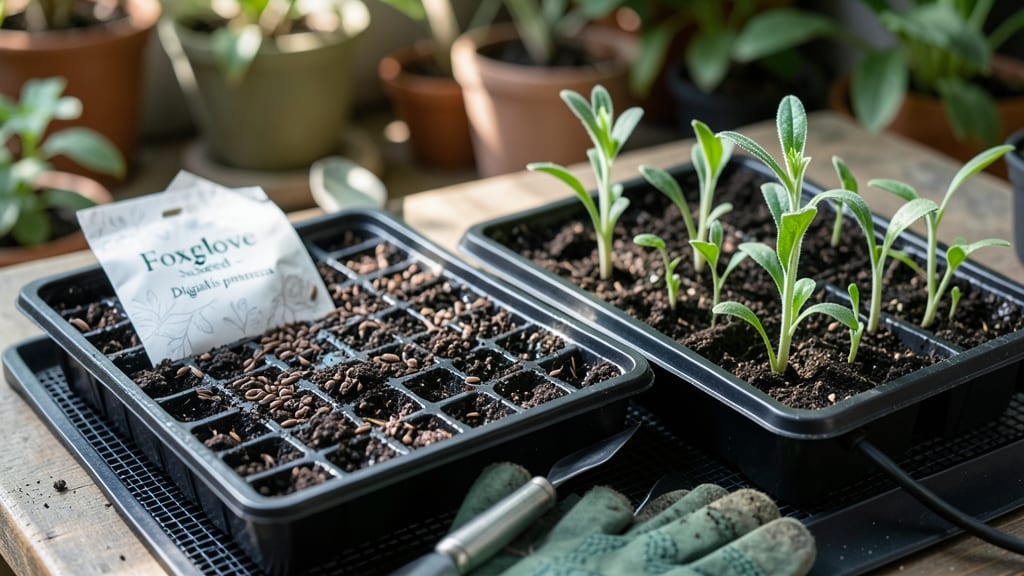
If you're dreaming of towering 🌸 foxglove spikes in your Zone 7 garden but keep missing when to plant foxglove seeds in this zone, you're not alone. Planting these seeds too early or late means waiting another year for those iconic bell-shaped blooms—and nobody wants to delay summer's star performers.
The key to success lies in starting seeds indoors 8-10 weeks before your last frost date (around April 15 in Zone 7). This strategic timing accounts for foxglove's unique biennial growth cycle and heat-sensitive germination requirements.
Let me show you exactly how to nail those start dates for summer color this year.
What makes foxglove different from other flowers is its two-year bloom cycle—seeds sown at the wrong time will just sit there looking like grass until next spring.
But with the right indoor start window and cold stratification technique, you can break that cycle and enjoy those dramatic 3-5 foot flower stalks by next summer.
I'll walk you through the complete process from seed to transplant, including when to move seedlings outdoors in Zone 7's late summer window. Whether you're a first-time gardener or veteran plant parent, these tips will help you avoid common pitfalls and get those foxglove blooms on schedule.
Best indoor start dates for foxglove seeds in Zone 7
Foxglove seeds (Digitalis purpurea) are notoriously slow to germinate and require cold stratification—a process that mimics winter conditions. In Zone 7, where last frost typically hits April 15, timing your indoor start is critical to avoid stunted growth or delayed blooms.
Planting too early risks leggy seedlings, while starting too late may push flowering into next summer.
Your goal is to have hardy seedlings ready for outdoor transplanting by late May to early June, when soil temperatures stabilize above 50°F. This means starting seeds indoors 8-10 weeks before transplant, which lands you in March for Zone 7 gardeners.
However, foxglove’s unique life cycle adds complexity—let’s break it down.
📅 Key Timing Factors: Foxglove seeds need 60-90 days of cold stratification (40°F or below) to break dormancy. Without this, germination rates drop below 20%. In Zone 7, you can achieve stratification by sowing seeds outdoors in late fall (October-November) or by refrigerating them for 6-8 weeks before indoor sowing.
If you’re sowing indoors, begin the stratification process in January by placing seeds in a sealed container with damp peat moss or coco coir, then refrigerate for 6-8 weeks.
Move them to a warm, bright location (70°F) in late February for germination, which takes 2-4 weeks. This schedule ensures seedlings are robust enough for transplanting by late May.
| Stage | Zone 7 Indoor Timeline | Key Action | Temperature |
|---|---|---|---|
| Stratification Start | January 1-15 | Sow seeds in damp peat moss; refrigerate | 35-40°F |
| Stratification End | March 1-15 | Move to warm, bright indoor spot (70°F) | 70°F |
| Germination | March 15-April 15 | Keep soil moist; expect sprouts in 2-4 weeks | 65-75°F |
| Seedling Growth | April 15-May 15 | Hardening off; transplant outdoors after last frost | 50-70°F |
| Outdoor Planting | Late May-Early June | Choose partial shade; space 12-18" apart | 50°F+ |
🌱 Pro Tip: Use a grow light if your indoor setup lacks 4-6 hours of bright light daily.
Zone 7 gardeners often face a dilemma: direct sowing vs. indoor starts. While foxglove seeds can be sown outdoors in late summer (August-September) for fall germination, this method risks poor survival rates due to Zone 7’s humidity and fungal diseases.
Indoor starts give you better control over moisture, light, and stratification—critical for foxglove’s delicate seedlings.
Another critical factor is soil temperature. Foxglove seeds won’t germinate in soil warmer than 75°F. If you’re sowing outdoors in Zone 7, wait until late August when soil temps drop below 70°F.
For indoor starts, maintain 65-75°F during germination to avoid damping-off disease, a common killer of foxglove seedlings.
Once seedlings emerge, they’ll enter a rosette stage—a low-growing cluster of leaves that can last 6-8 weeks. This is normal! Avoid transplanting rosettes, as they hate root disturbance.
Instead, let them grow until they’ve developed 4-6 true leaves and are at least 3 inches tall before hardening off. In Zone 7, this typically happens by mid-May.
For summer blooms, aim to transplant hardened-off seedlings by early June. Foxglove flowers in its second year, so plants sown in March 2024 will bloom in spring 2025. If you’re impatient, try direct sowing in late summer 2024 for blooms in spring 202
Best indoor start dates for foxglove seeds in Zone 7
Foxglove seeds (Digitalis purpurea) are notoriously slow to germinate and need precise timing to bloom in your Zone 7 garden by summer. Unlike annuals, foxglove is a biennial, meaning it requires two growing seasons to produce those iconic flower spikes.
Starting seeds indoors at the right time ensures they’ll establish strong roots before transplanting—without bolting too early from heat stress.
In Zone 7, where last frost dates hover around mid-April, your foxglove seeds should begin their journey indoors 8-10 weeks before transplanting. This translates to late May to early June for outdoor placement, giving seedlings time to mature before summer’s peak heat.
Miss this window, and you risk leggy, weak plants that struggle to survive transplant shock.
Here’s the critical timeline for Zone 7 gardeners: Sow seeds indoors in early to mid-May for late June/early July transplanting. This schedule aligns with soil warming trends in Zone 7, where daytime temps consistently exceed 60°F—the threshold foxglove seeds need to germinate reliably.
Without this timing, seeds may rot or sprout too late for first-year growth.
| Stage | Zone 7 Timeline | Key Task |
|---|---|---|
| Sowing Indoors | Early to mid-May | Sow seeds 1/4" deep in sterile mix; cold stratify for 4 weeks. |
| Germination | 6-8 weeks after sowing | Keep soil 60-65°F; use grow lights if natural light is weak. |
| Transplant Ready | Late June | Hardening off for 2 weeks before moving outdoors. |
| Outdoor Planting | July 1-15 | Choose partial shade spots with well-draining soil. |
Foxglove seeds require cold stratification to break dormancy—a process that mimics winter’s natural cycle. Place sown seeds in a sealed bag with damp peat moss and refrigerate for 4 weeks before moving to a warm, bright spot.
Skipping this step results in poor germination rates (often under 20%) compared to the 70-80% success you’ll see with stratified seeds.
After germination, maintain consistent moisture and provide 12-14 hours of light daily to prevent leggy seedlings. Use a south-facing window or grow lights to supplement natural light, especially in Zone 7’s shorter winter days. Overcrowding is another pitfall—thin seedlings to 3 inches apart once true leaves appear to reduce competition.
Transplant seedlings outdoors only after they’ve developed 4-6 true leaves and nighttime temps stay above 55°F. In Zone 7, this typically falls in late June. Space plants 18-24 inches apart to accommodate their mature height of 3-5 feet.
Remember, foxglove hates root disturbance, so use peat pots or transplant carefully to avoid shocking delicate roots.
With the right timing, your foxglove seeds will reward you with summer blooms in their second year. Mark your calendar for May 1-15 to start seeds indoors—this is your best shot at showstopping color by June of next year. 🌸