
Flowers
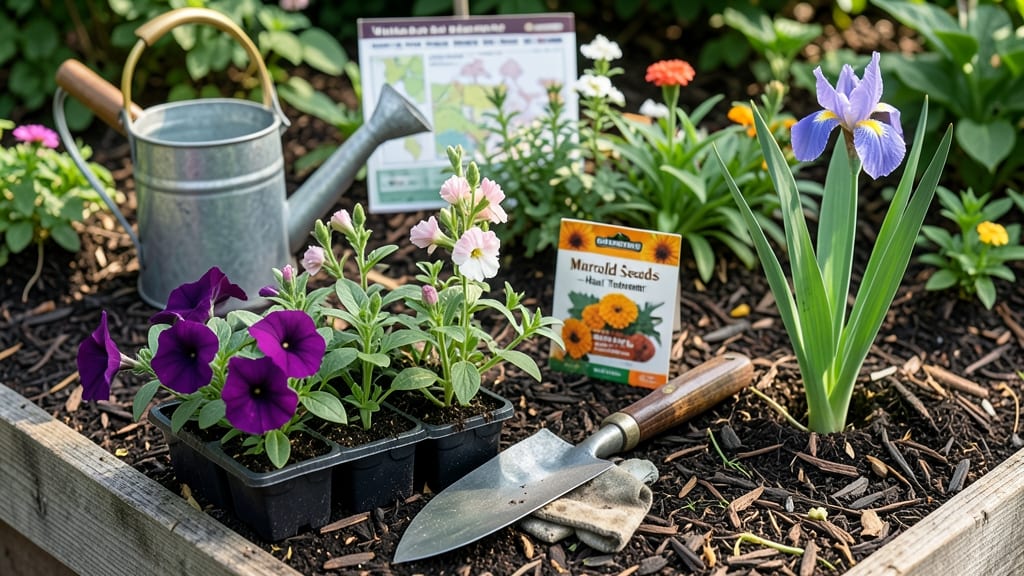
Timing your flowers 🌸 planting in Portland, Oregon, isn’t just about following a calendar—it’s about outsmarting the city’s fickle microclimates. Whether you’re dreaming of lush spring blooms or vibrant summer gardens, getting the schedule wrong can mean wilting dreams before they even sprout.
With Portland’s USDA Zone 8a and neighborhoods that feel like entirely different climates, the last frost date (around mid-April) isn’t the only factor. Urban heat islands, coastal breezes, and the Willamette Valley’s unique patterns all play a role in when to plant your annuals, perennials, and bulbs for maximum success.
I’ve dug into the data—frost-free windows, soil prep secrets, and the best months to start seeds indoors—to give you a zero-frost-risk planting guide. No more guessing if your March sowings will survive or if your fall bulbs will bloom too late. Let’s turn your garden into a year-round showstopper.
From cold-hardy varieties that thrive in early spring to heat-loving annuals that beg for summer soil, you’ll discover exactly when to plant each type—plus how to stretch your blooming season with smart timing. Ready to grow flowers that wow? Let’s get started.
Portland’s frost zones & best planting months by microclimate
Portland’s USDA Zone 8a/b might seem straightforward, but the city’s microclimates create dramatic differences in frost risk. Urban heat islands in downtown Portland can push last-frost dates 2 weeks earlier than coastal areas like Sauvie Island. Understanding these zones ensures your flowers thrive without frost damage.
The Willamette Valley (including most residential neighborhoods) typically sees its last frost around April 15, while coastal areas may experience frost until May 1. Conversely, urban heat islands (like Downtown or Pearl District) can be 5-10°F warmer than rural areas, delaying frost by 1-2 weeks.
🌡️ Portland Microclimate Frost Comparison
| Neighborhood | Last Frost Date | First Frost Date | Best Planting Window |
|---|---|---|---|
| Downtown/Pearl District | April 1-7 | October 20-25 | March 15 - May 15 |
| Forest Park/Alberta Arts | April 8-14 | October 15-20 | March 20 - May 10 |
| Beaverton/Hillsboro | April 15-20 | October 10-15 | March 25 - May 5 |
| Sauvie Island/Coastal | May 1-5 | October 5-10 | April 1 - May 15 |
💡 Pro Tip: Use these dates as guidelines—check Portland Master Gardeners for real-time updates.
For annual flowers, aim to plant 2-3 weeks after your neighborhood’s last frost date. This gives seedlings time to establish roots before summer heat arrives. Perennials, however, can handle earlier planting (as early as March 1 in urban areas) because their root systems are more resilient.
Fall planting for bulbs and cool-season annuals (like pansies or calendulas) should begin 8-10 weeks before first frost. In Portland, that means late August to early October. Coastal areas can extend this window 2 weeks later due to delayed frost.
Soil temperature is another critical factor. Most flower seeds germinate best in soil that’s at least 50°F. In Portland, this typically aligns with mid-April, but urban areas may hit this mark 2 weeks earlier. Use a soil thermometer to confirm before planting.
If you’re in a warmer microclimate (like Downtown), you can experiment with earlier plantings of heat-tolerant varieties like zinnias or marigolds. Conversely, cooler areas (like Sauvie Island) benefit from late-May plantings to avoid early-season frosts.
For container gardening, timing shifts slightly. Potted flowers can be planted 1-2 weeks earlier than in-ground varieties because containers warm up faster. However, they’re also more vulnerable to temperature swings, so use heat mats or frost blankets if needed.
🌱 Key Takeaway: Portland’s microclimates mean your neighbor’s garden might have 2 weeks of growing advantage. Always adjust planting dates based on your specific location and the flower type.
Month-by-month planting schedule for zero frost risk in Portland
Portland’s 165 frost-free days create a unique window for planting flowers, but timing varies dramatically between cool-season and warm-season varieties. Miss the mark, and you risk frost damage or stunted growth. Here’s my battle-tested schedule to maximize blooms in your garden.
Start with cool-season flowers like pansies and snapdragons in February-March, as they thrive in 50-60°F soil. These hardy annuals can handle light frosts, making them ideal for Portland’s late-winter chill.
For warm-season favorites like zinnias and marigolds, wait until after April 15—the average last frost date—to ensure root establishment before summer heat arrives.
Plant cool-season bulbs (tulips, daffodils) and hardy annuals (pansies, violas). Soil temps should be 40-50°F.
Transplant perennials (coneflowers, black-eyed Susans) after April 15. Start warm-season veggies (tomatoes, peppers) indoors.
Direct-sow annuals (sunflowers, zinnias) and heat-loving perennials (lavender, salvia). Mulch to retain moisture.
Plant fall-blooming bulbs (crocuses, hyacinths) and cool-season annuals (stock, sweet alyssum) for winter color.
Last chance for hardy perennials (sedum, asters) before first frost (avg. October 15). Cover tender plants with row fabric.
For urban heat islands (like downtown Portland), push warm-season plantings 2-3 weeks earlier—these areas warm up faster. Conversely, cooler microclimates (like Forest Park) may need a 1-2 week delay for frost-sensitive plants. Always check soil temperature with a thermometer—60°F+ is ideal for most annuals.
Pro tip: Use succession planting to extend blooms. Sow fast-growing annuals like cosmos every 2 weeks from May through July. This ensures continuous color and minimizes gaps in your garden’s seasonal display.
Remember, Portland’s unpredictable weather means flexibility is key. Keep a frost watch handy and be ready to cover plants if nighttime temps dip below 32°F. With this schedule, you’ll enjoy vibrant blooms from spring to fall—no frost damage in sight!