
Flowers
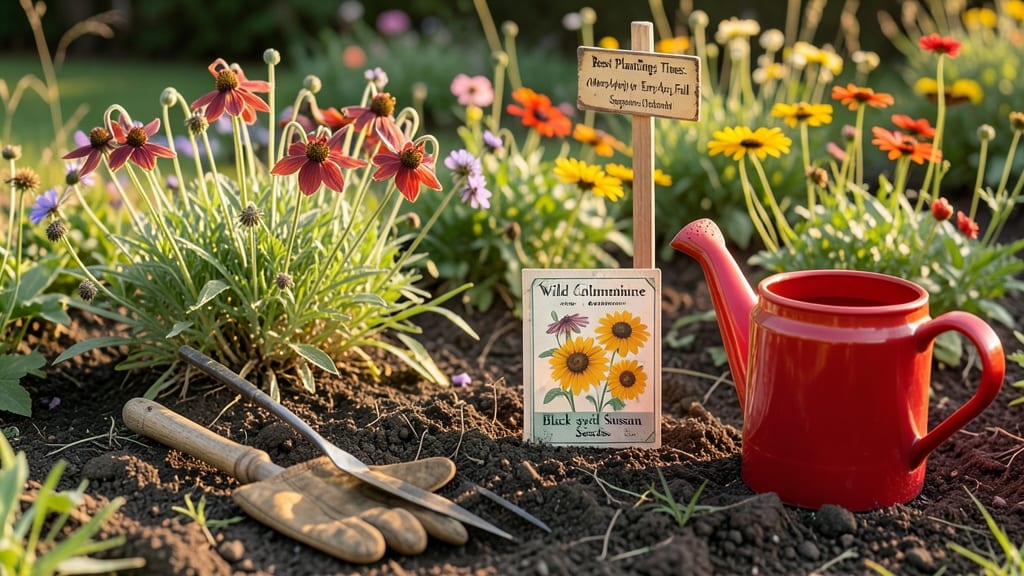
Timing your flower planting in New England isn't just about picking a random weekend—it's about beating the frost before it beats your blooms.
With USDA Zones 3–7 across the region, the difference between a thriving garden and a sad, frost-nipped disappointment often comes down to knowing when to start seeds indoors, when to harden off seedlings, and when to finally tuck them into the soil.
I've spent years watching gardens flourish (and sometimes fail) in this unpredictable climate, and the key is understanding your local frost dates.
Whether you're in coastal Maine, where springs arrive earlier, or inland Vermont, where late frosts linger, getting the timing right means the difference between vibrant summer blooms and wilted disappointment. Let me show you exactly when to plant for your specific zone.
From cool-season annuals like pansies that can handle early spring plantings to heat-loving marigolds that need to wait until all danger of frost has passed, each flower has its own ideal window.
We'll break down the month-by-month schedule so you know whether to grab your trowel in April or hold off until May, depending on where you live.
Even if you're working with containers or a tiny urban balcony, these guidelines will help you maximize your blooms. Ready to turn your New England garden into a showstopper? Let's dive into the perfect planting times for your area.
New England frost dates by Zone: critical planting windows for annual flowers
New England's diverse climate means frost dates vary dramatically from Maine's harsh winters to Connecticut's milder coastal areas. Understanding your USDA hardiness zone (3-7) is key to timing plantings right—especially for annual flowers that can't survive frost.
In Zone 3 (northern Maine), last frosts often hit May 15-30, while Zone 7 (southern Connecticut) typically sees frost-free conditions by April 15-May 1. These differences dictate whether you plant cool-season flowers like pansies in early spring or wait for warm-season bloomers like marigolds until after Memorial Day.
For annual flowers, timing is everything. Plant cool-season varieties (e.g., snapdragons, sweet peas) 4-6 weeks before your last frost—usually March-April in most of New England. Warm-season annuals (e.g., petunias, zinnias) need to wait until 2-3 weeks after your last frost, often late May-early June.
Coastal areas like Portland, Maine or Newport, Rhode Island may have 2-3 weeks earlier frost-free dates than inland cities like Burlington, Vermont or Hartford, Connecticut.
Here’s the critical rule: Soil temperature matters more than air temperature. Most annual flowers thrive when soil reaches 50-60°F. Use a soil thermometer to confirm—cold soil can stunt growth even if air is warm.
In northern zones (3-4), this often means waiting until late May for warm-season plantings, while southern zones (6-7) can start as early as mid-April. This variation is why container gardening gives you flexibility—you can move pots to protected microclimates (like near south-facing walls) to extend seasons.
Don’t overlook first frost dates either. In Zone 3, expect frost by September 15-October 1, while Zone 7 may hold off until November 15. This means tender annuals (like impatiens) should be planted after Memorial Day in northern areas to avoid fall frost damage.
For long-blooming varieties (e.g., cosmos, sunflowers), consider succession planting—sow seeds every 2-3 weeks from May through July to enjoy blooms until frost.
| USDA Zone | Last Frost Date | Cool-Season Planting Window | Warm-Season Planting Window | First Frost Date |
|---|---|---|---|---|
| 3 (Northern Maine) | May 15-30 | March 15-April 15 | June 1-June 15 | September 15-October 1 |
| 4 (Upstate NY, NH, VT) | April 30-May 15 | March 1-April 1 | May 15-June 1 | September 30-October 15 |
| 5 (Central MA, RI, CT) | April 15-May 1 | February 28-April 1 | May 1-May 15 | October 15-November 1 |
| 6 (Southern CT, Long Island) | April 1-May 1 | February 15-March 31 | April 15-May 1 | November 1-November 15 |
| 7 (Coastal CT, RI) | March 15-April 15 | January 15-February 28 | April 1-April 15 | November 15-December 1 |
*Dates vary by elevation and microclimate—check local records!
If you're planting bulbs (like tulips or daffodils), the timeline shifts. Most bulbs should be planted in fall (September-Oct
Best flowers to plant by month in New England: a month-by-month guide
New England’s unpredictable climate means your flower planting schedule must be flexible but strategic. While last frost dates guide most decisions, some cold-hardy flowers can handle early spring plantings, while others need to wait until soil warms.
Let’s break down the best flowers to plant each month, from March’s first bulbs to September’s late bloomers.
March is all about preparing the soil and planting cold-resistant bulbs like daffodils and tulips. These hardy perennials thrive when planted in late winter or early spring, often before the ground thaws completely. For container gardens, pansies and violas can handle light frosts and add early color.
🌱 Month-by-Month Planting Guide
- March: Daffodils, Tulips, Crocus (bulbs); Pansies, Violas (containers)
- April: Sweet Peas, Calendula, Snapdragons (cool-season annuals); Peonies (bare-root)
- May: Marigolds, Zinnias, Cosmos (warm-season annuals); Daylilies (perennials)
- June: Sunflowers, Black-Eyed Susans, Lavender (drought-tolerant picks)
- July: Late-Blooming Dahlias, Gladiolus (tender perennials); Sweet Alyssum (trailing)
- August: Chrysanthemums, Astors (fall-blooming perennials); Pansies (for fall color)
- September: Bulbs for spring (tulips, daffodils); Winter Aconite (cold-hardy)
April is ideal for cool-season annuals like sweet peas and calendula, which thrive in 50–60°F soil. If you’re planting bare-root perennials like peonies or irises, April’s mild temperatures give roots time to establish before summer heat arrives.
For containers, nasturtiums are a great choice—they tolerate cooler temps and add vibrant pops of color.
May marks the shift to warm-season flowers, including marigolds, zinnias, and cosmos. These sun-loving annuals need consistent warmth to germinate, so wait until the soil reaches at least 60°F.
Perennials like daylilies and coneflowers can also be planted in May, giving them a full growing season to establish roots.
June is perfect for heat-tolerant flowers such as sunflowers and black-eyed Susans, which thrive in full sun and well-draining soil. If you’re growing drought-resistant plants like lavender, June’s warmth helps them root deeply.
For containers, geraniums and petunias flourish in this month, adding long-lasting blooms to patios and balconies.
Don’t overlook late-summer plantings! August and September are great for fall-blooming perennials like chrysanthemums and asters, which love cooler temps. You can also direct-sow bulbs like tulips and daffodils in September for early spring blooms.
Even winter aconite, a hardy bulb, can be planted in late summer for bright winter color.
Pro tip: Always check your local frost dates—coastal areas (like Maine or Massachusetts) may have earlier planting windows than inland zones (like Vermont or New Hampshire). And if a late frost threatens, use row covers or cloche tunnels to protect tender seedlings.