
Flowers
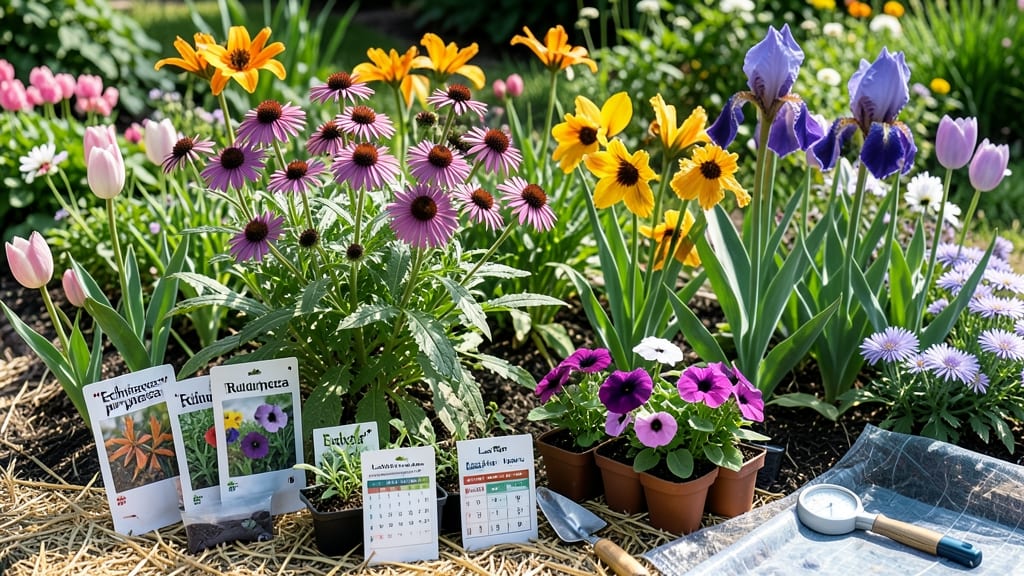
Timing your Flowers 🌸 planting in Nebraska isn’t just about following a calendar—it’s about beating frost, dodging wind, and working with the state’s 5a-6b quirks to get vibrant blooms. One wrong move, and your garden could end up looking more like a science experiment than a showstopper.
I’ve spent years watching Nebraska’s frost patterns shift, and I’ll show you exactly when to plant for zero frost risk in your specific corner of the state.
Most gardeners assume early spring is the only window, but Nebraska’s microclimates—from Omaha’s urban heat islands to the Panhandle’s dry winds—mean your neighbors might be planting 2 weeks earlier or later than you should.
Whether you’re prepping pansies for March or waiting for May’s last frost to pop in marigolds, knowing these regional tweaks is the difference between a garden that thrives and one that barely survives.
Let’s break it down by month, so you can start planting with confidence. You’ll learn which annuals vs. perennials play well in Nebraska’s short season, how to adjust for western droughts or eastern humidity, and even which flowers will outlast the first frost in October.
No more guessing—just a foolproof plan for a garden that looks like it was designed by a pro.
Ready to transform your yard into a year-round color show? Grab your gloves, and let’s get those Flowers 🌸 in the ground at the perfect moment—no frost, no stress, just blooms.
Nebraska planting zones: when to plant flowers by USDA Zone (5a-6b)
Nebraska’s USDA Hardiness Zones 5a-6b create distinct planting windows for flowers, where even a 1-2 week difference can mean the difference between thriving blooms and frost-killed seedlings.
The average last frost dates range from mid-April in western Nebraska (Zone 6b) to late April in eastern areas (Zone 5a), while the first frost typically arrives in mid-October. Understanding these zones helps you choose the right annuals vs. perennials and time your plantings for maximum success.
For Zone 5a (eastern Nebraska, including Lincoln), the safe planting window for most flowers opens around May 1 after the last frost, while Zone 6b (western Nebraska, like Scottsbluff) can start as early as April 15.
Perennials like coneflowers and black-eyed Susans can often be planted in early spring (March) because they establish roots slowly, while annuals like marigolds and zinnias thrive when planted after May 1 to avoid late frosts.
Here’s how to use these zones to plan your flower garden calendar:
| USDA Zone | Last Frost Date | First Frost Date | Best Planting Window | Example Flowers |
|---|---|---|---|---|
| 5a (Eastern NE) | Late April | Mid-October | May 1–June 15 | Pansies, Snapdragons, Coneflowers |
| 5b (Central NE) | Early April | Late October | April 15–May 30 | Petunias, Marigolds, Black-Eyed Susans |
| 6a (Western NE) | Mid-March | Early October | March 20–June 1 | Cosmos, Zinnias, Lavender |
| 6b (Panhandle) | Early March | Late September | March 1–May 15 | Sunflowers, Gaillardia, Russian Sage |
If you’re planting perennials, aim for early spring (March–April) to give roots time to establish before summer heat. For annuals, wait until after the last frost—typically May 1 in eastern Nebraska and April 15 in western areas.
Hardier annuals like pansies and sweet alyssum can handle light frosts, making them ideal for early spring plantings in Zone 5a.
For fall plantings, focus on cool-season flowers like pansies, calendula, and snapdragons, which thrive when planted 6–8 weeks before the first frost. In Zone 6b, this means late July to early August, while Zone 5a gardeners should plant by mid-August.
Fall-blooming perennials like asters and goldenrod also benefit from early fall plantings to establish roots before winter.
Pro tip: Use Nebraska Extension’s frost date maps to fine-tune your planting schedule. For example, Omaha (Zone 5b) often sees later frosts than Lincoln (Zone 5a), so adjust your calendar accordingly. Always check the soil temperature—most flowers need 50°F (10°C) for safe planting.
Hardy perennials like daylilies and sedum can even be planted in early fall (September) for a head start next spring. Meanwhile, tender annuals like impatiens should wait until after Memorial Day to avoid frost damage. Understanding these zone-specific rules ensures your garden blooms beautifully all season long.
🌸
Microclimate adjustments: how to plant flowers earlier in urban vs. rural Nebraska
Nebraska’s diverse landscapes—from bustling cities like Omaha and Lincoln to the windswept Sandhills and arid Panhandle—create unique microclimates that drastically affect planting times. Urban areas trap heat, while rural zones face harsher winds and temperature swings.
Understanding these differences lets you plant 2-4 weeks earlier in some regions without risking frost damage.
In urban Nebraska, heat islands raise soil temperatures by 5-10°F compared to rural areas. This means pansies or calendulas can often go in by late March in Omaha, while rural areas may need to wait until mid-April.
Always check local frost records—your neighbor’s garden might not match your microclimate!
Rural gardeners face wind exposure and cooler nights, especially in the Sandhills or western Panhandle. Use windbreaks (like evergreen hedges or fences) to create sheltered pockets where flowers like black-eyed Susans thrive 1-2 weeks earlier than exposed beds.
| Factor | Urban Nebraska (Omaha/Lincoln) | Rural Nebraska (Sandhills/Panhandle) |
|---|---|---|
| Soil Temperature | Warmer by 5-10°F (plant 2 weeks earlier) | Cooler (wait until soil hits 50°F) |
| Wind Exposure | Minimal (use containers for flexibility) | High (plant near windbreaks) |
| Heat Island Effect | Yes (plant heat-tolerant flowers like zinnias) | No (choose cold-hardy varieties) |
| Example Flowers | Petunias, Marigolds (late March) | Pansies, Snapdragons (mid-April) |
| Key Tool | Soil thermometer (check daily) | Frost cloth (extend season by 3 weeks) |
For eastern Nebraska (USDA Zone 5b-6a), aim to plant annuals like geraniums after April 15th, while perennials (e.g., coneflowers) can go in as early as March 1st if protected. In the western Panhandle (Zone 5a), delay until May 1st for most flowers to avoid late frosts.
Pro tip: Use Nebraska Extension’s planting calendar (available [here](https://extension.unl.edu)) for real-time updates. It accounts for localized frost risks and even suggests drought-resistant flowers for western regions like cosmos or blanket flower.
Test your soil’s readiness with a soil thermometer—50°F (10°C) is the magic number for most flowers. In urban areas, mulch with straw to retain heat; in rural zones, use black plastic mulch to warm the soil faster.
Adjust your schedule based on these tricks, and you’ll enjoy blooms all season!