
Plants
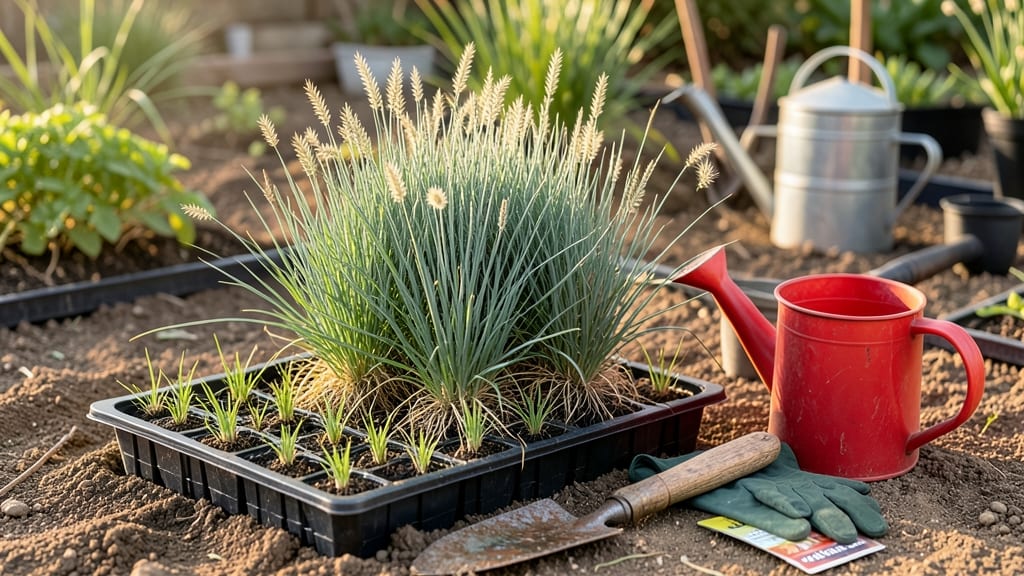
Knowing when to plant fescue in North Texas could mean the difference between a lush, green lawn and a patchy, struggling yard. The right timing isn’t just about picking a month—it’s about understanding how your local climate and soil temperatures work together to give your grass the best start possible.
In North Texas’ 7b-8b zones, fall and spring are your golden windows for planting fescue 🌱. But here’s the catch: planting too early means battling summer’s scorching heat, while waiting too late risks weak roots before winter sets in.
Let’s break down the science behind these windows and how you can set your lawn up for success.
You’ll discover why late September through early November is the best period for fall planting, how to prep your soil for maximum root growth, and what to watch for in the weeks after you plant.
Whether you’re a first-time homeowner or a seasoned gardener, these insights will help you avoid common pitfalls and create a lawn that stands up to North Texas’ challenges.
From soil temperatures to watering schedules, we’ll cover everything you need to know to ensure your fescue thrives. Ready to transform your yard into a vibrant, resilient space? Let’s get started.
Ideal planting months for fescue in North Texas (with soil temperature guide)
North Texas gardeners know timing is everything, especially when planting cool-season fescue. The best window for establishing a thick, resilient lawn is September through early November, when soil temps drop but before winter dormancy sets in.
This aligns perfectly with North Texas’ USDA Zones 7b–8b, where first frost typically arrives between November 15–December 1.
Why fall? Fescue seeds need 60–70°F soil temps to germinate, but they also thrive when days grow shorter—this triggers deeper root growth before winter. Planting in late spring (March–early April) is your second chance, but summer’s brutal heat can stress young seedlings if not managed carefully.
Here’s the key: Soil temperature is your best guide. Use a soil thermometer to confirm temps are between 60–70°F before seeding. In North Texas, this usually means waiting until mid-September to avoid summer’s lingering heat.
| Planting Window | Soil Temp Range | Why It Works | North Texas Months |
|---|---|---|---|
| Fall Planting | 60–70°F | Cooler temps reduce stress; roots establish before winter. | September–early November |
| Spring Planting | 55–65°F | Avoids summer heat; seedlings mature before peak temperatures. | March–early April |
| Avoid Planting | Above 75°F | High temps cause seed dormancy or fungal issues. | June–August |
Pro tip: If you’re seeding in late fall (November), choose a hardy fescue variety like tall fescue or fine fescue, which tolerate light frost better. Always plant 4–6 weeks before the first frost—this gives roots time to anchor before winter slows growth.
For spring planting, wait until after the last frost (mid-March) and water deeply every 2–3 days to keep soil moist. Fescue seeds need consistent moisture to germinate, but North Texas’ clay-heavy soils can dry out fast—mulch lightly with straw to retain humidity.
One common mistake? Planting too early in August when soil temps are still warm. Seeds may sprout, but they’ll struggle to establish before summer’s return. Always check the 7-day forecast for steady temps—aim for consistent 60–70°F ranges for at least 2 weeks after planting.
Remember, fescue’s deep root system is its superpower. By planting in fall or early spring, you’re giving those roots the perfect window to grow strong before North Texas’ hot summers or freezing winters test their resilience.
Once planted, monitor your lawn closely. Thin, patchy growth often signals planting too late—adjust next year’s schedule based on your results. With the right timing, your fescue will outlast the heat and thrive for years.
Ideal planting months for fescue in North Texas (with soil temperature guide)
Timing your fescue planting in North Texas is all about balancing soil temperatures and avoiding summer’s brutal heat 🌡️. The best window spans from early September to early November, when daytime temps hover between 60°F–75°F and nights dip below 60°F.
This cools the soil enough for seeds to germinate without stress.
For spring planting, aim for March to early April, once soil temps consistently stay above 55°F. This gives seedlings time to establish before summer’s heat arrives. Skipping these windows risks weak roots or seedling burn from Texas’ intense sun.
Here’s why these months work best: Fall planting lets fescue develop deep roots before winter dormancy, while spring planting avoids summer drought stress. Both strategies leverage North Texas’ USDA zones 7b–8b climate patterns.
| Season | Ideal Months | Soil Temp Range | Key Benefit |
|---|---|---|---|
| Fall | September–early November | 60°F–75°F (day), <60°F (night) | Deep root growth before winter |
| Spring | March–early April | 55°F+ (consistent) | Avoids summer heat stress |
| Avoid | May–August | Above 80°F (seed burn risk) | High failure rate |
To check your soil temperature, use a soil thermometer (insert 2–4 inches deep). If temps exceed 75°F, wait—even fescue seeds struggle in North Texas’ summer heat. Pro tip: Plant in late afternoon to reduce midday heat exposure.
Once planted, maintain consistent moisture for 4–6 weeks to encourage root growth. In fall, this means watering deeply 2–3 times per week until germination occurs. Spring planting requires similar care but with adjusted watering as temps rise.
Remember: North Texas’ clay soils dry out quickly. Mulching with straw or compost helps retain moisture and regulates soil temperature. This simple step can boost your fescue’s survival rate by up to 30%.