
Plants
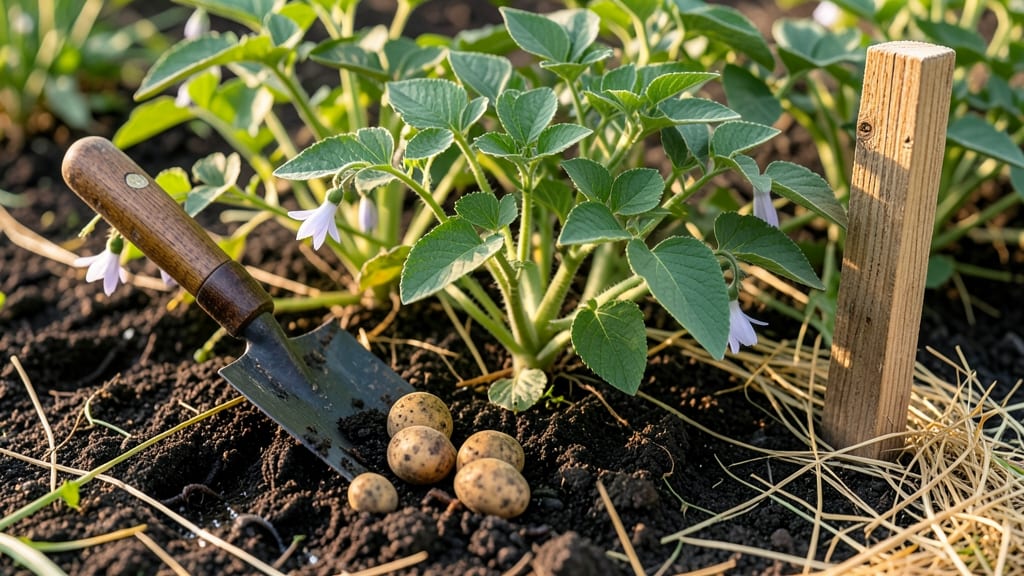
Timing your fall potatoes in Zone 8 could make or break your harvest—plant too early, and you’ll waste precious garden space; too late, and frost steals your crop before it matures.
The trick lies in those 4-6 weeks before first frost, when soil stays warm enough for roots to develop but cool enough to avoid heat stress.
I’ve grown 🥔 in Zone 8 for years, and the difference between a thriving harvest and a flop comes down to one thing: precision. Whether you’re a seasoned gardener or just starting, knowing the exact window—usually late August to early September—lets you enjoy homegrown spuds well into winter.
Let’s break down the science and steps to nail it.
Zone 8’s mild winters mean you can push your luck further than colder regions, but that doesn’t mean you should. Cold-hardy varieties like Yukon Gold or Fingerlings thrive when planted at the right time, but even they’ll struggle if the ground freezes too soon.
I’ll show you how to read your local frost dates and adjust your schedule for maximum yield.
Ready to avoid the common mistakes that leave gardeners scratching their heads in November? From soil prep to frost protection, I’ll cover everything you need to turn your Zone 8 garden into a potato powerhouse—without the guesswork.
Optimal planting weeks before first frost for fall potatoes in Zone 8
In Zone 8, fall potatoes need precise timing to mature before your first frost—typically around January 15. Planting 10-14 weeks before frost (mid-August to early September) ensures tubers develop fully, while late plantings risk stunted growth or frost damage.
This window balances warm soil for sprouting and cool days for tuber formation.
Soil temperature is critical: aim for 45-65°F at planting. In Zone 8, this usually aligns with late summer when daytime highs are still above 75°F but nights cool down. Test your soil with a thermometer—cooler soils slow sprouting and delay harvest.
Your potato variety dictates exact timing. Early maturing types (like Red Norland) can plant 12-14 weeks before frost (late August), while mid-season varieties (e.g., Yukon Gold) need 10-12 weeks (early September). Late varieties (e.g., Russet) rarely work for fall harvests in Zone 8.
🌱 Fall Potato Planting Timeline for Zone 8
| Variety Type | Planting Window | Days to Maturity | Soil Temp Needed |
|---|---|---|---|
| Early (Red Norland) | Late August | 90-100 days | 45-55°F |
| Mid (Yukon Gold) | Early September | 100-110 days | 50-60°F |
| Late (Fingerlings) | Mid-September (risky) | 110-120 days | 55-65°F |
⚠️ Pro Tip: Use a planting calendar for your specific Zone 8 location—frost dates vary by 1-2 weeks even within the same zone.
For maximum yield, plant seed potatoes when your area’s average first frost is 110-120 days away. Check your local USDA frost map—some Zone 8 areas (like coastal regions) have later frosts, while inland spots may freeze earlier. Adjust your timeline accordingly.
Preparing your soil is just as critical as timing. Work in 2-3 inches of compost and a balanced fertilizer (5-10-10) to provide phosphorus for root development. Avoid fresh manure—it can cause scab disease in potatoes. Test your soil’s pH too; aim for 5.0-6.5 for optimal tuber formation.
After planting, maintain consistent moisture—potatoes need 1-1.5 inches of water weekly but hate soggy soil. Mulch with straw to retain moisture and regulate soil temperature. In late fall, reduce watering as harvest nears to toughen skins and prevent late blight.
Watch for foliage dieback—this signals tubers are mature. In Zone 8, harvest Yukon Golds when tops turn brown (usually late October), while Red Norlands may be ready by mid-October. Cure potatoes at 55-60°F and 85% humidity for 1-2 weeks to develop skins.
If your fall crop isn’t fully mature by frost, don’t panic. Use row covers or straw mulch to protect plants until harvest. Even partially grown tubers can be dug, cured, and stored for winter use—just expect smaller yields.
Timing your fall potatoes in Zone 8 is a balancing act, but with these science-backed windows and soil prep tips, you’ll enjoy homegrown spuds well into winter. Start with early varieties for a guaranteed harvest, then experiment with mid-season types as you gain confidence.
Optimal planting weeks before first frost for fall potatoes in Zone 8
In Zone 8, where the first frost typically arrives around mid-January, timing your fall potato planting is critical. The ideal window is 10-14 weeks before frost, which translates to late August through early September.
This ensures tubers mature fully before cold sets in, preventing frost damage or stunted growth.
For Zone 8 gardeners, the soil temperature must stay above 50°F (10°C) for optimal sprouting. Use a soil thermometer to confirm—planting too early in warm soil can lead to rapid foliage growth but small tubers. Aim for a balance where tubers bulk up steadily over 90-120 days.
🥔 Fall Potato Planting Timeline for Zone 8
| Stage | Action | Notes |
|---|---|---|
| Soil Prep | Test pH (5.8-6.5), add compost | Use raised beds for poor drainage |
| Planting | 4-6 weeks before frost (Aug-Sept) | Plant 4" deep, 12" apart |
| Fertilizing | Light feed at planting, full feed in August | Avoid high nitrogen after August |
| Harvest | Before first frost (Jan) | Cure tubers in dark, dry place |
Choose cold-hardy varieties like Yukon Gold or Fingerling potatoes for Zone 8’s fall conditions. These varieties tolerate cooler temperatures better than Russet types, which may struggle with late-season heat stress. If your area experiences early frosts, opt for early-maturing varieties (90-day harvest) to ensure tubers finish before cold arrives.
For successive plantings, stagger your seeds every 3-4 weeks starting in mid-August. This extends your harvest window into late fall, giving you a steady supply of fresh potatoes.
Just be sure to space later plantings closer to your last frost date—typically around December 15 in Zone 8—to avoid exposing tubers to prolonged cold.
Monitor your garden closely in the weeks leading up to frost. If temperatures drop unexpectedly, use row covers or mulch heavily to protect foliage while allowing tubers to mature. A sudden frost can kill the plant but may still leave edible potatoes in the soil—just dig carefully to avoid bruising.
Finally, remember that soil type matters. Sandy soils warm faster in fall, while clay holds moisture longer. Amend your soil with organic matter to improve drainage and warmth retention, giving your potatoes the best chance to thrive until harvest time.
With the right timing and care, you’ll enjoy homegrown potatoes well into winter! 🌱