
Plants
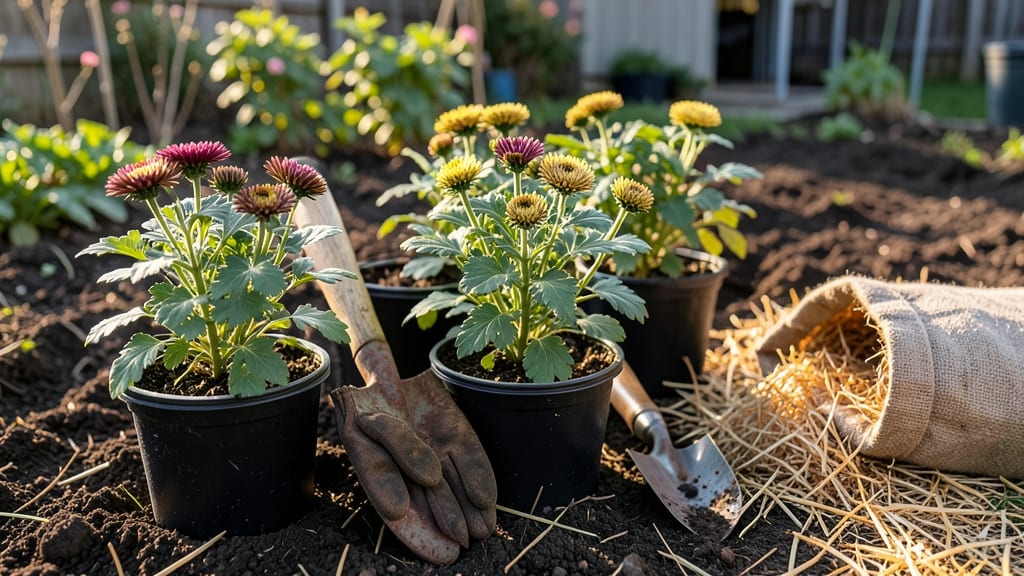
Timing your fall chrysanthemum planting just right is the secret to vibrant blooms that last until winter’s first frost. Whether you're a seasoned gardener or just starting, getting this window perfect makes all the difference for your 🌼 chrysanthemums.
Most gardeners in USDA Zone 6a (and similar climates) should plant their chrysanthemums 4-6 weeks before the first frost. This timing ensures strong root growth before cold weather sets in, giving you those stunning fall blooms you’ve been dreaming of.
But here’s the catch: different varieties bloom at different times, and regional frost dates vary. I’ll walk you through exactly how to calculate your planting window, whether to use seeds or transplants, and how to prepare your soil for maximum success.
Let’s dive into the exact steps to get your chrysanthemums thriving this fall—so you can enjoy their beauty well into winter.
Best fall planting timeline for chrysanthemums by US hardiness Zone
Planting chrysanthemums in fall is all about timing—specifically, the 4-6 weeks before your first frost date. This window lets them establish roots while still producing bold blooms before winter. But since frost dates vary by USDA zone, your exact planting window depends on where you live.
For example, gardeners in Zone 3 (like Minnesota or Maine) should plant chrysanthemums by late August to early September, while those in Zone 10 (like Southern California) can plant as late as mid-November.
The key is to avoid planting too early, which can lead to overgrowth before blooming, or too late, which risks weak roots before frost.
Use the comparison table below to find your zone’s ideal planting window. If you’re unsure of your frost date, check the National Oceanic and Atmospheric Administration (NOAA) frost maps or use a local cooperative extension office for precise data.
| USDA Zone | First Frost Date | Planting Window | Notes |
|---|---|---|---|
| Zones 3-5 | Mid-October | Late August to early September | Early frost risk; choose hardy varieties. |
| Zones 6-7 | Late October | Early to mid-September | Ideal for most standard varieties. |
| Zones 8-9 | td style="padding: 12px; border: 1px solid #7b5a9b;">Early NovemberMid-September to early October | Longer growing season; late varieties thrive. | |
| Zone 10+ | Mid-December | October to early November | Plant until soil cools; mulch heavily. |
If you’re in a microclimate (like a valley or urban heat island), adjust your planting window 1-2 weeks later than the general zone guidelines. For example, a Zone 6 garden in a sheltered microclimate might safely plant until mid-September instead of early September.
Pro tip: Transplants (nursery-grown plants) establish faster than seeds, so they can be planted up to 2 weeks later than seeds. If you’re starting from seed, begin indoors 8-10 weeks before your last frost date for fall blooms.
Soil temperature matters too. Chrysanthemums thrive when soil is between 60°F and 70°F. Use a soil thermometer to check—if it’s cooler than 55°F, wait a few days or use black plastic mulch to warm the soil.
Once planted, mulch with 2-3 inches of straw or shredded leaves to insulate roots and retain moisture. This is especially critical in Zones 3-5, where early frosts can damage tender new growth.
Remember: The earlier you plant in cooler zones, the more time chrysanthemums have to establish roots and bloom. But don’t rush—weak roots won’t support heavy fall blooms, so balance haste with patience for the best results.
For gardeners in warmer climates (Zones 9-11), you can even plant two batches: one in early fall for longer bloom time and another in late fall for winter interest (with protection from light frosts).
🌼
Best fall planting timeline for chrysanthemums by US hardiness Zone
Your USDA hardiness zone determines the exact fall planting window for chrysanthemums. In Zone 6a, aim for late August to early October, but adjust based on your first frost date. For example, if frost arrives October 15, plant 6 weeks prior (early September).
Gardeners in warmer zones (8-11) can plant later—even November—while those in colder zones (3-5) should start July-August for early blooms. Use the frost date chart from your local Cooperative Extension Service to pinpoint your ideal window.
⚠️ CRITICAL: Planting too early risks overgrowth before frost, while planting too late may stunt root development, shortening bloom time.
🌼 Fall Planting Timeline by USDA Zone
| Zone | Planting Window | Key Notes |
|---|---|---|
| 3-5 | July 15 - August 15 | Early planting for longer root establishment before frost. |
| 6-7 | August 1 - September 15 | 6 weeks before frost ensures vibrant fall blooms. |
| 8-9 | September 1 - October 15 | Warmer climates allow later planting with extended bloom. |
| 10-11 | October 1 - November 1 | Plant transplants only for winter color in mild areas. |
💡 Pro Tip: Use mulch after planting to insulate roots and extend bloom season.
For Zone 6a gardeners, late August is ideal—this gives chrysanthemums 6-8 weeks of growth before frost. If your area has unpredictable frost, err on the earlier side. For example, in Chicago (Zone 5b), plant by August 1 for reliable blooms.
Always check soil temperature—chrysanthemums thrive in 60-70°F soil. If your soil is cooler, wait 1-2 weeks or use black plastic mulch to warm it faster. This small adjustment can mean the difference between weak stems and showstopping blooms.
Remember: Transplants (not seeds) are best for fall planting—they establish faster and bloom sooner. If you’re sowing seeds, start them indoors 8-10 weeks before transplanting to meet your zone’s frost date.