
Plants
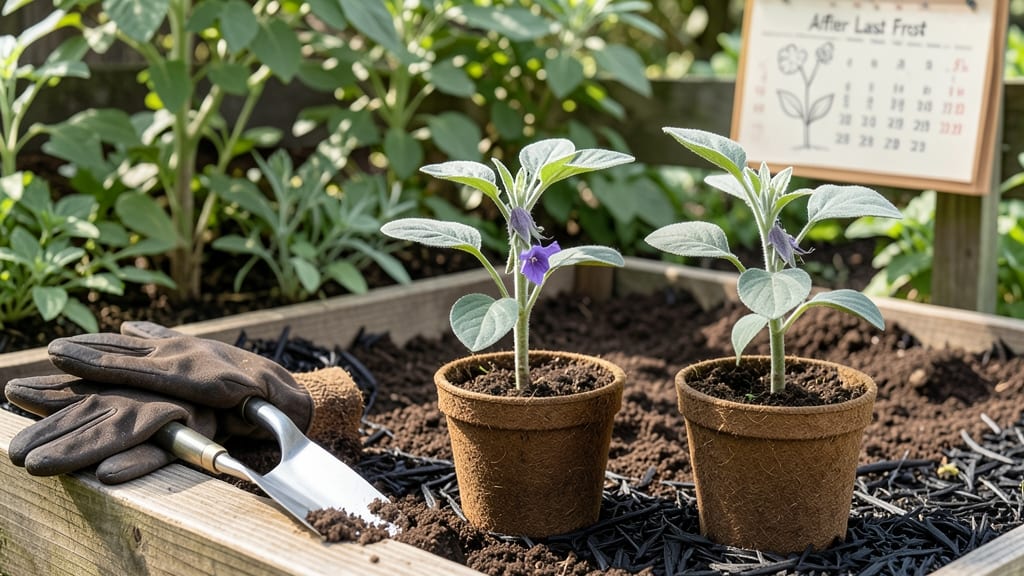
Planting eggplant in Southern California isn’t just about timing—it’s about avoiding the dreaded bolt risk that ruins your harvest before it even starts. With frost-free winters and 9b-11 zones, your window is wider than most regions, but coastal areas and inland deserts behave like two different climates.
If you plant 🍆 too early, the heat will send your plants bolting before they fruit. Too late, and you’ll miss the sweet spot between spring warmth and summer’s scorching peak.
The key? Knowing your microclimate’s exact thresholds—whether you’re in Zone 10a’s cooler coastal breeze or the 9b desert’s faster warming soil.
I’ve grown eggplants here for years, and the difference between a bountiful harvest and a sad, bolted disappointment comes down to soil temperature, not just calendar dates.
Let me show you how to pinpoint the perfect moment for your location—so you can enjoy homegrown eggplants from June to October (or May to September, if you’re inland).
Ready to skip the guesswork? You’ll learn the exact dates for your area, plus pro tips to stretch your growing season without stressing your plants. No more wasted seeds or frustrated gardening—just reliable, microclimate-smart planting.
Southern California eggplant planting zones: exact dates by microclimate for zero bolt risk
Southern California’s diverse microclimates mean eggplant planting dates vary dramatically between coastal areas, inland valleys, and desert regions. Unlike northern climates, SoCal’s frost-free winters let you grow eggplant year-round—but timing is critical to avoid bolting (premature flowering) or heat stress.
Let’s break down the optimal planting windows for each zone.
Coastal regions like Santa Barbara and San Diego (USDA Zone 10a-11) enjoy milder summers, while inland valleys like Los Angeles and Riverside (Zone 9b-10a) face hotter conditions.
Desert areas like Palm Springs (Zone 11) demand even earlier planting to escape extreme summer heat. Here’s how to align your schedule with these localized conditions.
🌱 Key Rule: Eggplant thrives when soil temps hit 70°F+ and stays below 90°F during flowering. Use a soil thermometer to verify—this is your green light to plant.
Notice how desert regions must plant 2 months earlier than coastal areas to avoid summer’s 100°F+ heat. Inland valleys fall in between but require shade cloth during peak summer to protect flowering stages. My pro tip: Use black plastic mulch to warm soil faster in cooler coastal zones.
For coastal gardeners, March 15 is your sweet spot—soil warms quickly, and summer heat arrives later. Inland planters should aim for February 15 to finish harvesting before July’s heat spikes. Desert growers? January planting is non-negotiable for success.
💡 Pro Tip: Test soil temps with a digital thermometer ($10 at garden centers). Eggplant roots need consistent warmth—cold soil (<65°F) stunts growth, while soil >90°F causes root burn. Aim for 70–85°F range for optimal growth.
If you’re in a transition zone (e.g., Orange County), err on the earlier side—plant by March 1 to capture spring’s mild weather. Monitor local high-pressure systems (they can bring unexpected heatwaves even in spring).
My 2023 lesson: A late-March heatwave in San Diego caused my eggplants to bolt prematurely!
🌡️ Heat Tolerance Thresholds: Eggplant flowers drop when temps exceed 95°F for >3 days. Use 50% shade cloth during 11 AM–3 PM in inland zones to protect blooms. Coastal areas rarely need this, but valleys like Simi Valley often do.
For succession planting, stagger starts every 2–3 weeks from your zone’s earliest date. This ensures a continuous harvest—critical in SoCal’s short growing windows. Example: If you plant March 15, April 1, and April 15 in coastal areas, you’ll harvest from June–October without gaps.
🚨 Warning: Avoid planting eggplant in August or later in inland/desert zones—daytime temps often exceed 105°F, causing bolting within 10 days. Coastal areas can push to July 1, but monitor forecasts closely.
Southern California eggplant planting zones: exact dates by microclimate for zero bolt risk
Southern California’s frost-free climate and diverse microclimates mean eggplant planting dates vary wildly—from cooler coastal areas (like Santa Barbara) to scorching desert valleys (like Palm Springs).
The biggest mistake? Planting based on calendar months instead of soil temperature and heat thresholds. Eggplants bolt when stressed by heat, so timing is everything.
Your first step? Identify your USDA Zone and local heat patterns. Coastal Zone 10a areas stay mild longer, while inland Zone 9b zones warm up faster.
Desert Zone 11 regions? You’ve got just 2-3 months to grow eggplants before summer’s peak hits. Let’s break down the exact windows for each microclimate.
| Microclimate | USDA Zone | Planting Window | Soil Temp Threshold | Harvest Window |
|---|---|---|---|---|
| Coastal (e.g., Los Angeles, Santa Barbara) | 10a | March 15 – April 30 | 65°F+ (test with soil thermometer) | June – October |
| Inland Valleys (e.g., San Fernando Valley, Riverside) | 9b | February 15 – March 31 | 70°F+ (warms faster) | May – September |
| Desert (e.g., Palm Springs, Joshua Tree) | 11 | January 15 – February 15 | 75°F+ (extreme heat tolerance) | April – July |
🌡️ Pro Tip: Use a soil thermometer—eggplants won’t thrive below 65°F.
Notice how desert zones have a shorter window? That’s because soil heats up faster, and plants bolt by June. Inland valleys can push into late spring, while coastal areas enjoy a longer harvest thanks to ocean breezes.
My #1 recommendation? Start seeds indoors 8-10 weeks before your target outdoor date to avoid transplant shock in heat-sensitive zones.
One more critical factor: day length. Eggplants are short-day plants, meaning they bolt when days get too long (typically after June 21 in SoCal). If you’re in Zone 11, you’ve got just 3 months to grow them—so succession planting is key.
For coastal gardeners, you can stretch harvests into October by using shade cloth during peak summer heat.
Ready to pick your dates? Grab a soil thermometer, check your local heat maps, and plant when the soil hits 65°F+. Miss this window, and you’ll be fighting bolting instead of harvesting. Trust me—I’ve learned the hard way!