
Plants
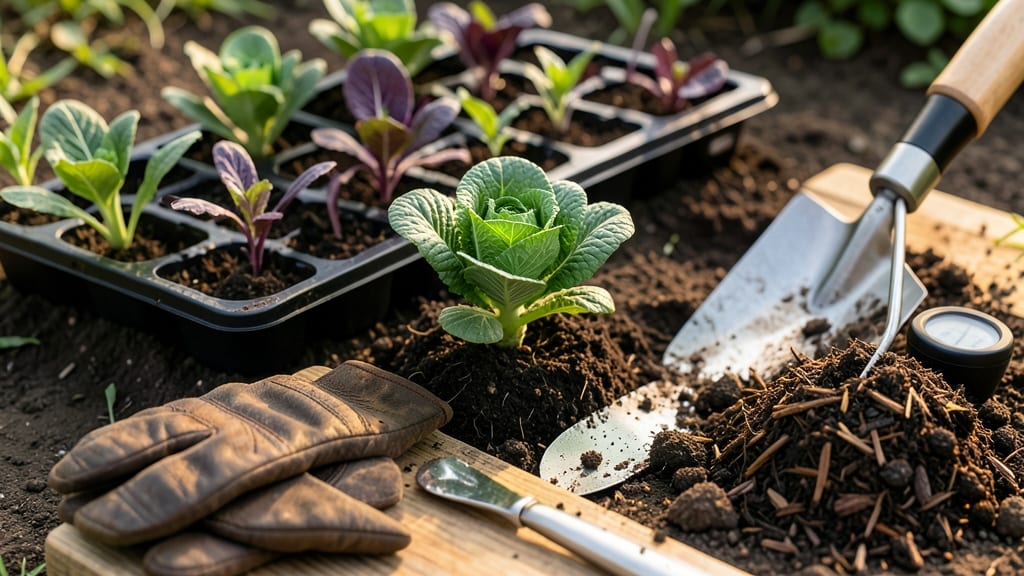
Knowing when to plant cabbage in Indiana can mean the difference between a bountiful harvest and wasted effort. With Indiana's unpredictable spring weather, timing is everything—especially for 🥬 varieties that bolt easily when stressed.
Most gardeners in USDA Zone 6a swear by early spring planting (March-April) or late summer (July-August) for fall harvests. But getting it wrong could leave you with bitter leaves or no harvest at all.
The key? Planting when soil temps hit 45-75°F and counting back 100 days from your first frost.
Let me walk you through the exact frost-free window for Indiana, plus pro tips to avoid bolting. Whether you're a first-time gardener or a seasoned grower, these strategies will help you grow sweeter, tighter heads every season.
Ready to master your cabbage timing? We'll cover soil prep, variety selection, and even how to work with Indiana's microclimates for perfect results. Your garden's about to get a whole lot easier!
Indiana cabbage planting calendar: frost dates & soil temperature guide
Indiana’s USDA zone 6a climate means cabbage thrives with precise timing—too early and frost zaps seedlings, too late and heat triggers bolting.
The key is planting when soil temps hit 45°F for spring or 75°F for fall, aligning with Indiana’s average last frost date (April 15) and first frost (October 15). These windows create a 165-day frost-free growing season, perfect for cabbage’s 70-100 day maturity range.
Start by checking your local microclimate—northern Indiana’s cooler zones may need earlier starts than southern areas. Use USDA’s Plant Hardiness Zone Map to confirm your exact zone, then adjust planting dates by 1-2 weeks if your area runs colder.
For example, Gary (zone 6b) can plant 2 weeks later than Fort Wayne (zone 5b).
Indiana’s two planting windows—early spring and late summer—offer foolproof strategies. Spring plantings go in 4-6 weeks before last frost (early March to mid-April), while fall plantings start 100-120 days before first frost (mid-July to early August). This dual approach ensures continuous harvests from late spring through fall.
| Stage | Action | Indiana Timeline |
|---|---|---|
| Soil Prep | Test pH (6.0-7.0), add compost | February-March (Spring) / June-July (Fall) |
| Seed Starting | Indoor seeds 6-8 weeks before transplant | Early March (Spring) / Mid-June (Fall) |
| Transplant | Hardened seedlings into garden | Mid-April (Spring) / Late July (Fall) |
| Harvest Window | Pick firm heads before bolting | Late May-June (Spring) / September-October (Fall) |
Use a soil thermometer to confirm readiness—spring plantings need 45-50°F soil, while fall plantings thrive at 70-75°F. In Indiana’s variable spring weather, wait until 3 consecutive days above 50°F before transplanting. For extra safety, use floating row covers to protect seedlings from late frosts.
Indiana’s northern counties (like Lake County) often face earlier frosts, so plant early-maturing varieties like ‘Golden Acre’ (58 days) or ‘Early Jersey Wakefield’ (60 days). Southern Indiana (e.g., Evansville) can extend seasons with late summer plantings of heat-tolerant ‘Cavalo’ (85 days) or ‘Red Express’ (70 days).
Pro tip: Mark your calendar for Indiana’s average frost dates—use the National Weather Service’s frost prediction tool for your county.
For example, Indianapolis (zone 6a) typically has a last frost April 15 and first frost October 15, but microclimates near lakes or hills can shift these by 1-2 weeks.
For container gardening in Indiana, plant in 5-gallon pots and move to south-facing patios after last frost. Containers warm faster, so adjust planting dates 1 week earlier than in-ground plantings. Always use well-draining soil mixes to prevent root rot in Indiana’s clay-heavy soils.
Extend your harvest by succession planting every 2 weeks from March to July. This ensures a steady supply of firm, sweet cabbage heads without the risk of bolting from overcrowded plants. Space seedlings 18-24 inches apart to allow airflow and reduce disease risk in Indiana’s humid summers.
Remember: Indiana’s short growing season demands efficiency. Prioritize fast-maturing varieties and fall plantings to maximize yields. With the right timing, you’ll enjoy crisp, homegrown cabbage from spring through autumn—no store-bought heads needed!
How to avoid cabbage bolting in Indiana’s unpredictable spring weather
Indiana’s spring weather is famously unpredictable—one day warm enough to plant cabbage, the next a surprise frost that stunts seedlings. Bolting (premature flowering) is your biggest enemy here, triggered by heat stress or rapid temperature swings.
The key is controlling seedling age and environmental conditions to keep your cabbage focused on head formation instead of flowering.
Start with 4-6 week old seedlings when transplanting in spring. Younger seedlings are more vulnerable to bolting when exposed to warm days and cool nights. If you’re sowing directly, use shade cloth (30-50%) during the hottest afternoon hours (1 PM–5 PM) to prevent heat stress.
This simple trick can add 2-3 weeks of safe growth before bolting risks spike.
Consistent soil moisture is another critical factor. Cabbage plants bolt when they experience dry spells followed by sudden watering. Aim for 1–2 inches of water per week, delivered at soil level (not overhead) to avoid wetting leaves.
Drip irrigation or soaker hoses work best in Indiana’s variable spring rains.
Choose slow-bolting varieties like ‘Golden Acre’ or ‘Copenhagen Market’, which handle Indiana’s USDA Zone 6a climate better than heat-sensitive types. For late spring plantings (after May 1), opt for 70-day varieties to ensure harvest before summer heat triggers bolting.
If you notice flower stalks emerging, act fast: cut them immediately to redirect energy back to head formation. While this won’t reverse bolting, it can delay harvest loss by 1–2 weeks. Pair this with morning watering (before 10 AM) to reduce stress on the plant.
For fall plantings, time your July–August sowings to mature 100–120 days before first frost (mid-October). Use row covers in early fall to extend the season and protect young plants from unexpected September frosts—a common issue in northern Indiana.