
Plants
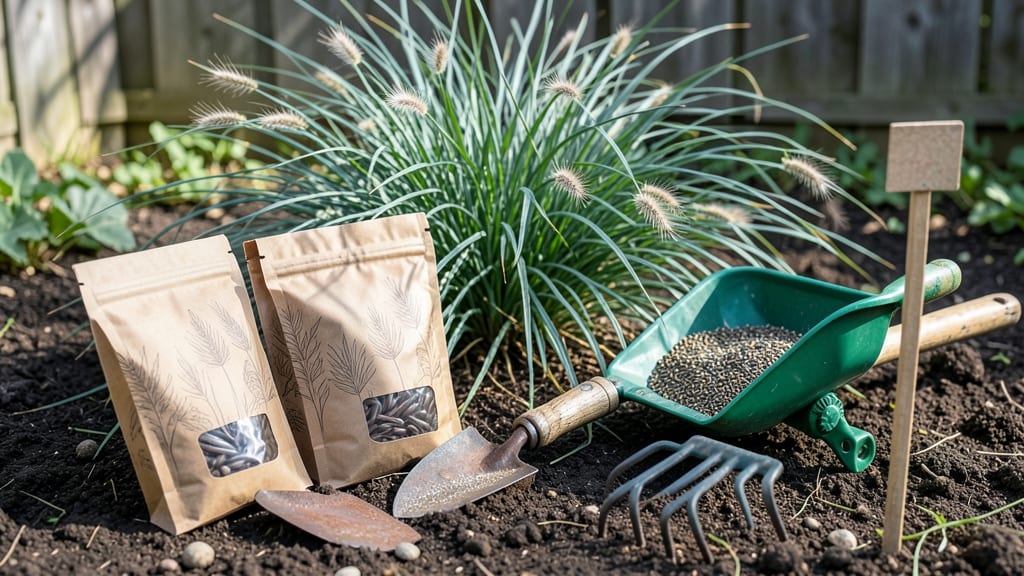
Timing your brome grass planting just right in Kansas is the difference between a lush, frost-resistant lawn and months of patchy growth. With Kansas' 5b-7a zones swinging from icy winters to scorching summers, getting the window perfect ensures your 🌾 thrives from day one.
Most gardeners assume spring is the only option, but late summer planting offers surprising advantages for Kansas' climate. The key is understanding when soil temperatures hit that 50°F sweet spot—too early and frost zaps your progress, too late and summer heat stresses young roots.
I'll break down the exact months that work best for your region, whether you're in wetter eastern Kansas or drier western areas. You'll learn how to adjust for unpredictable frost dates, prepare soil properly, and even use overseeding tricks for faster establishment.
By the end, you'll have a clear planting schedule that guarantees fast germination and a lawn that handles Kansas' extremes like a pro. Let's get your brome grass off to the best possible start this season.
Best planting months for brome grass in Kansas by region
Kansas’ diverse climate—from humid eastern plains to drier western regions—means planting brome grass timing varies by location. In northern Kansas (Wichita, Topeka), cooler temperatures delay spring planting, while southern Kansas (Dodge City, Wichita Mountains) can handle earlier starts.
Understanding your USDA Zone (5b-7a) is key to avoiding frost damage or slow germination.
For fastest establishment, aim for soil temperatures above 50°F. In Kansas, this typically aligns with March-April for spring and August-September for fall. However, western Kansas’ dry heat may require earlier spring planting, while eastern Kansas’ wetter soils benefit from slightly delayed starts to reduce fungal risks.
Here’s how to align your planting with Kansas’ three key regions, accounting for average last frost dates and soil warming trends:
| Region | Spring Planting Window | Fall Planting Window | Soil Temp Goal (°F) | Key Consideration |
|---|---|---|---|---|
| Northern Kansas (Wichita, Topeka) | Late April–early May | Mid-September | 50–55°F | Later frost risks; test soil warmth weekly |
| Central Kansas (Salina, Manhattan) | Early April–mid-April | Late August–early September | 52–57°F | Balanced climate; ideal for beginners |
| Southern Kansas (Dodge City, Wichita Mountains) | March–early April | Late August–mid-September | 55–60°F | Drier soils; plant earlier to avoid summer drought stress |
In northern Kansas, wait until mid-April to plant—earlier seeds risk frost damage or slow germination. Use a soil thermometer to confirm 50°F+ temperatures before seeding. For central Kansas, early April is ideal, but cover seeds with lightweight row fabric if nighttime temps dip below 40°F.
Southern Kansas gardeners can start as early as late March, but prioritize well-draining soil to prevent waterlogging. If your area experiences erratic spring rains, delay until soil dries slightly to avoid seed rot.
Always choose brome grass varieties labeled for your region—‘Baron’ brome thrives in drier western zones, while ‘Elm’ brome suits eastern Kansas’ humidity.
Fall planting in Kansas offers a second chance for slow-starting spring lawns. Seed in late August–September to allow 6–8 weeks of root growth before first frost. In western Kansas, aim for mid-September; in eastern Kansas, push to early October if soil stays warm.
Mulch lightly with straw to retain moisture and insulate seeds.
Pro tip: Overseeding in fall is perfect for patchy lawns. Spread seeds over existing grass in September, then water deeply twice daily until germination (about 10–14 days). This method leverages cooler temps to outcompete weeds naturally.
Regardless of region, avoid planting in Kansas’ extreme heat (June–July). High temps cause seed desiccation and stress young seedlings. If you miss the spring window, wait until August—just ensure your seeds have 4–6 weeks to establish before winter.
🌾
How to time brome grass planting for frost resistance and fast germination
Timing your brome grass planting right is critical in Kansas, where soil temperatures can swing wildly between freezing nights and scorching days. Plant too early, and frost will kill tender seedlings.
Plant too late, and your lawn may struggle to establish before winter. The key is waiting until the soil reaches 50°F—this ensures fast germination and frost resistance.
For spring planting, aim for late March to mid-April in most of Kansas. This window gives seedlings enough time to root before summer heat sets in. In northern Kansas (USDA Zone 5b), wait until mid-April to avoid late frosts.
Southern Kansas (Zone 7a) can start as early as late February, but monitor forecasts for unpredictable cold snaps.
If you prefer fall planting, focus on late August to early September. This allows seeds to germinate in warm soil while giving roots time to establish before first frost (usually mid-October).
Fall-planted brome grass often outperforms spring plantings because it avoids summer heat stress and establishes deeper roots before winter.
Kansas’ late spring frosts (even in April) can devastate young brome grass. Use a soil thermometer to confirm temperatures stay above 50°F for 5+ days before planting. If frost is forecasted, delay by 2-3 weeks or use row covers for protection.
For fast germination, prepare your soil by loosening the top 2-3 inches and mixing in compost to improve drainage. Brome grass thrives in well-drained soil, so avoid low-lying areas where water pools.
After planting, keep the soil consistently moist (not soggy) until seedlings reach 3-4 inches tall. This prevents drought stress and encourages a dense root system.
To outcompete weeds, apply a pre-emergent herbicide 2-3 weeks before planting. Brome grass seeds are small, so use a seed spreader for even coverage. Lightly rake the soil to cover seeds with 1/4 inch of dirt—this protects them from birds and ensures consistent moisture.
Water gently to avoid washing seeds away.
Pro tip: If you’re overseeding an existing lawn, mow the grass short (1-1.5 inches) and aerate the soil first. This helps seeds make contact with the root zone, improving germination rates.
In Kansas’ clay-heavy soils, consider adding sand or peat moss to improve aeration if your lawn feels compacted.
Monitor your new brome grass closely for the first 6-8 weeks. If seedlings yellow or wilt, they may need more water or protection from windburn. Once established, brome grass is drought-tolerant and frost-resistant, making it a low-maintenance choice for Kansas lawns.
With the right timing, you’ll have a thick, green lawn by next spring.