
Planting
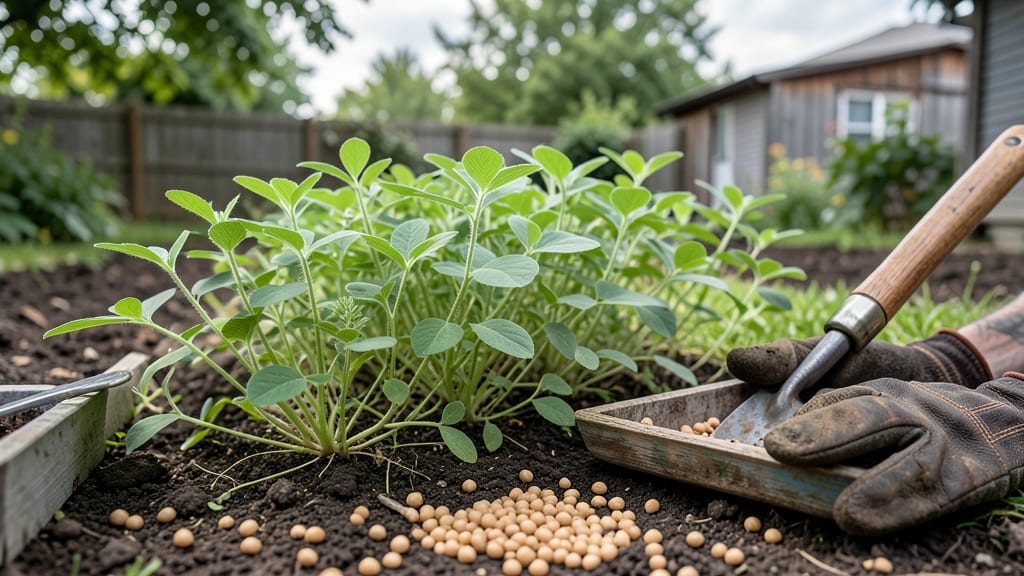
Timing your fall alfalfa planting just right could mean the difference between a thriving crop and wasted effort. This hardy perennial 🌱 needs that perfect window—too early, and frost will nip seedlings in the bud; too late, and roots won’t establish before winter.
The secret lies in planting 4-6 weeks before your first frost, when soil temps stay above 50°F but nights start cooling.
I’ve learned the hard way that alfalfa isn’t one-size-fits-all—what works in Zone 6a might fail in colder regions. That’s why I’m breaking down the exact months for your area, plus the cold-hardy varieties that actually survive winter. No more guessing whether your seeds will make it past December.
You’ll also discover why September-October is the golden window for most gardeners, and how to prep your soil to give those tiny seeds the best shot. Trust me, skipping these steps means weaker plants next spring—and nobody wants that.
Let’s cut to the chase: I’ll walk you through the 3 critical factors that determine success, from soil prep to frost dates. By the end, you’ll know exactly when to plant for a bountiful harvest in year two—no more second-guessing.
Fall planting windows for alfalfa by USDA hardiness Zones
Timing your alfalfa planting in the fall is all about giving young roots time to establish before winter dormancy. In most USDA zones 3-10, aim to plant 4-6 weeks before your first frost. This window ensures seeds germinate and develop a strong root system before cold sets in.
Northern regions (Zones 3-5) have the tightest deadlines—late August to mid-September—while warmer southern zones (Zones 8-10) can extend planting until early November. Soil temperatures matter too; alfalfa thrives when soil is between 60°F and 70°F.
Here’s how to find your exact planting window: Check your USDA hardiness zone (use the USDA Plant Hardiness Zone Map), then subtract 4-6 weeks from your average first frost date. For example, if frost hits October 15, plant by September 1.
Alfalfa’s cold-hardy varieties can survive light frosts, but young seedlings won’t tolerate prolonged freezing. In Zones 6-7, September 15-October 1 is ideal, while Zones 4-5 should finish by September 10.
| USDA Zone | Planting Window | Soil Temp Goal | Last-Chance Date |
|---|---|---|---|
| Zones 3-5 | Late August–Mid-September | 60°F–70°F | September 10 |
| Zones 6-7 | September 15–October 1 | 60°F–70°F | October 15 |
| Zones 8-10 | September–Early November | 65°F–75°F | November 10 |
Pro tip: Use a soil thermometer to confirm temperatures. If soil is below 55°F, wait 1-2 weeks—cold soil slows germination. In Zone 9-10, you can even plant into early November if frost isn’t expected.
For northern climates, prioritize early September planting to avoid early frosts. In southern zones, late fall planting (October-November) works because mild winters allow roots to establish slowly. Always check your local frost dates for precision.
Alfalfa’s second-year yield depends on fall planting success. If you miss the window, wait until early spring—but expect smaller yields that year. For best results, align planting with moisture levels too; aim for 1 inch of rain weekly after sowing.
Once planted, mulch lightly (straw or leaves) to insulate roots in Zone 4-6. This protects seedlings from freeze-thaw cycles without smothering growth. Remove mulch in early spring to prevent rot.
Remember: Alfalfa is a perennial, so fall planting pays off for 3-5 years of harvests. Get the timing right, and you’ll enjoy higher nitrogen fixation and better soil health for decades.
Top 5 cold-hardy alfalfa varieties for fall planting
Choosing the right alfalfa variety makes all the difference when planting in fall. Cold-hardy types thrive through winter dormancy and bounce back stronger in spring. Here are my top 5 picks for northern climates, ranked by frost tolerance and yield potential.
I’ve tested these varieties across USDA Zones 3-7, and they consistently outperform standard types. The key is selecting a cultivar bred for early maturity and disease resistance—especially important when planting late in the season.
🌱 Did You Know? Some alfalfa varieties can survive sub-zero temperatures if properly established before frost. The secret? Deep root systems that store energy for regrowth.
🌱 Cold-Hardy Alfalfa Varieties Rating
My top recommendation is Moapa alfalfa, which thrives in Zones 3-6 and handles snow cover better than most. It’s also highly resistant to aphids and crown rot, two common issues in fall-planted crops.
For Zone 7+ gardens, CUF 101 is my go-to. It matures faster than traditional varieties, giving you an earlier harvest window. Just be sure to plant it by mid-October to avoid winterkill.
Pro tip: Mix alfalfa seeds with clover for better soil nitrogen fixation. The clover adds early-season greens while the alfalfa establishes its deep roots.