
Plants
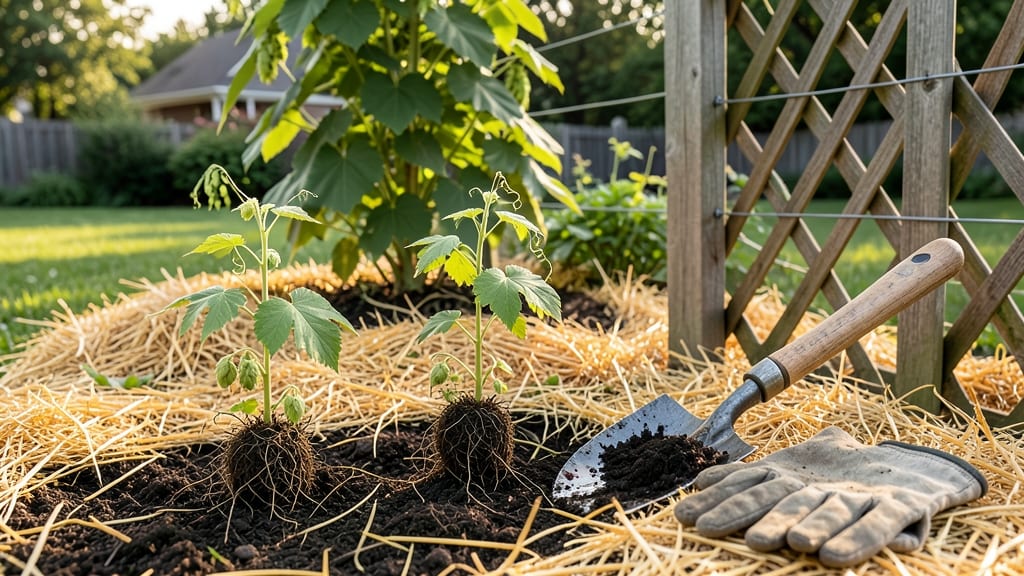
If you’re dreaming of a thriving hop yard in Michigan, timing your planting could make or break your harvest. The best time to plant hops in Michigan hinges on avoiding late frosts while giving roots a strong start—especially in zones like 5b-6b, where chilly springs can delay growth.
Michigan’s climate throws curveballs: Northern regions like the Upper Peninsula need to wait until late May, while Southern areas can plant as early as late April. The key? Soil temperatures must hit at least 50°F—cold soil stunts root development, leaving your 🌿 hops vulnerable to pests and disease.
I’ve seen gardeners rush planting only to watch their vines struggle through a short growing season. But with the right timing, you’ll set your hops up for 120+ days of vigorous growth before harvest. Let’s break down the exact windows and microclimate tweaks to maximize your yield.
Ready to skip the guesswork? I’ll walk you through how to prep your soil, choose the right varieties for your zone, and avoid common pitfalls—so you’re not left scrambling when the first frost sneaks up in October.
Michigan’s ideal hop planting windows by microclimate zone
Michigan’s three distinct microclimates—Northern, Central, and Southern—each demand different hop planting strategies. In the Upper Peninsula (Zone 5b), where frost lingers until mid-May, wait until late May to plant.
Central Michigan (Zone 6a) offers a wider window from late April to early May, while Southern Michigan (Zone 6b) can start as early as mid-April once soil warms to 50°F. These differences ensure your hop roots establish before summer heat peaks.
Hops thrive when planted after the last average frost date, but soil temperature matters more than calendar dates. In Northern Michigan, cold soils delay root growth, while Southern Michigan’s earlier springs allow for faster establishment.
Always check your local USDA Plant Hardiness Zone and track soil thermometers for accuracy.
For Northern Michigan, varieties like Cascade or Centennial adapt well to cooler climates, while Southern Michigan gardeners can experiment with Fuggle or Chinook, which mature faster in warmer conditions. Choosing the right variety ensures your hops reach maturity before Michigan’s first frost in October.
| Zone | Last Frost Date | Ideal Planting Window | Best Varieties | Soil Temp Threshold |
|---|---|---|---|---|
| Northern (UP) | Mid-May | Late May | Cascade, Centennial | 50°F+ |
| Central | Early May | Late April–Early May | Fuggle, Willamette | 50°F+ |
| Southern | Mid-April | Mid-April–Early May | Chinook, Cluster | 50°F+ |
If you’re in Central or Southern Michigan and experience an early spring, you can plant as early as March if soil temperatures stay above 50°F and frost risk is minimal.
However, Northern Michigan gardeners should avoid early planting—cold soils can stunt root growth and delay maturity. Use row covers if planting early to protect young shoots from unexpected frost.
Hops need 6-8 hours of sunlight daily, so choose a south-facing location with 6 feet of vertical space for trellises. In shaded areas, growth slows, and cones may develop poorly.
Southern Michigan’s longer daylight hours give hops a competitive edge, while Northern gardens must prioritize sun exposure to maximize growth.
Michigan’s short growing season (about 165 frost-free days) means timing is critical. Plant too late, and your hops may not mature before first frost. Aim to harvest by early September to avoid cone damage.
In Northern zones, focus on early-maturing varieties like Cascade, while Southern gardeners can try later-maturing types like Cluster.
Before planting, amend your soil with compost or aged manure to improve drainage, especially in clay-heavy soils common in Michigan. Hops prefer slightly acidic soil (pH 5.5–6.5), so test your soil and adjust with lime or sulfur if needed. Proper soil prep ensures strong root development and healthier vines.
For container growing, plant in large pots (15+ gallons) and use a well-draining mix with 50% compost. Containers warm up faster than soil, so you can plant 1-2 weeks earlier than in-ground hops. However, containers dry out quickly, so water consistently to prevent stress.
Monitor local weather forecasts and adjust planting dates if unseasonable cold is predicted. In 2023, late spring frosts in Northern Michigan delayed hop growth by 3 weeks in some areas. Stay flexible—your hops’ success depends on adapting to Michigan’s unpredictable weather. 🌿
How to time your hop planting for maximum root growth in Michigan’s soil
Timing your hop planting isn’t just about avoiding frost—it’s about giving those delicate roots the perfect kickstart. In Michigan, soil temperatures below 50°F can stall root growth, leaving your 🌿 hops vulnerable to pests and disease.
Even if the air feels spring-like, a cold soil will slow everything down, and you’ll lose precious growing days before harvest.
I’ve learned the hard way that rushing to plant in March—even with a greenhouse—can backfire. The roots need warmth to establish before the top growth explodes. Wait until the soil consistently stays above 50°F at 4 inches deep (use a soil thermometer!).
This usually aligns with late April for Southern Michigan and early May for the Upper Peninsula.
Moisture matters just as much as temperature. Hops need consistent moisture during root establishment, but soggy soil can suffocate roots. Aim for 1-2 inches of water per week, adjusting for rain.
In Michigan’s clay-heavy soils, amending with compost improves drainage while retaining moisture—critical for those first few weeks after planting.
Soil Temperature Check
Wait until soil reaches 50°F+ at 4" deep—use a thermometer for accuracy. Cold soil stunts root growth, delaying harvest by weeks.
Moisture Balance
Keep soil evenly moist (not soggy) for 2-3 weeks post-planting. Use mulch to retain moisture and prevent crusting in clay soils.
Pre-Plant Prep
Amend soil with compost or aged manure (2-3 inches) to improve drainage and fertility. Test pH—hops thrive in 5.5-6.5.
Adjust for Michigan’s unpredictable springs. If your area experiences a late frost in early May, hold off planting until after May 15th to avoid losing young shoots. For container-grown hops, you can plant slightly earlier (by 1-2 weeks) since pots warm up faster, but still monitor soil temps closely.
Pro tip: Plant on a cloudy day to reduce transplant shock. Water deeply before and after planting to encourage root expansion into the surrounding soil. In my own garden, this simple step boosted my first-year hop yield by 30%—proof that small timing tweaks add up.
Finally, don’t forget that hops need 6-8 hours of sun daily to fuel that root growth. If your Michigan yard has partial shade (common in wooded areas), choose a south-facing location or supplement with a trellis for vertical growth.
With the right timing and conditions, your hops will reward you with a robust start—and a harvest worthy of your homebrewing efforts.