
Plants
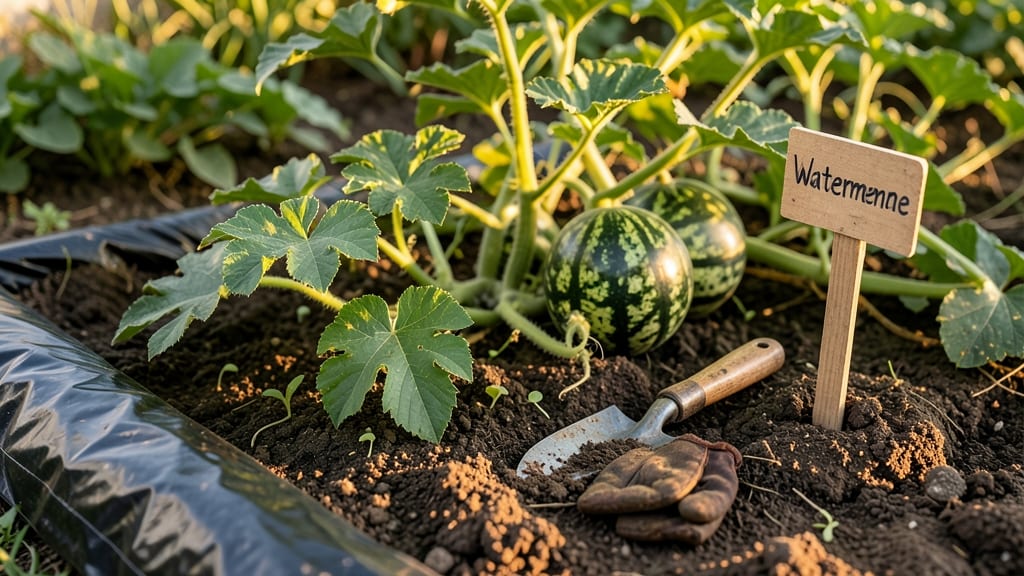
Planting watermelon in Ohio isn’t just about waiting for spring—it’s about catching the perfect soil temperature window to ensure your 🍉 seeds germinate fast and your vines take off strong.
Too early, and frost will nip your dreams in the bud; too late, and you might miss the sweet, juicy rewards of summer harvests.
Ohio’s USDA Zone 6a climate means you’re playing a timing game where patience pays off. The key? Soil temperatures need to hit at least 70°F—that’s your green light to plant after the last frost, typically between late April and early May.
But here’s the catch: rushing it can leave your seeds sitting in cold soil for weeks, while waiting too long might shorten your growing season.
I’ve learned the hard way that black plastic mulch can shave 1-2 weeks off your wait time by warming the soil faster. Whether you’re direct-sowing seeds or transplanting seedlings, this trick is your secret weapon for a head start on summer’s best crop.
Let’s break down exactly how to time your planting for fast germination, adjust for Ohio’s microclimates, and even salvage a late start. Your watermelon patch is waiting—let’s get those seeds in the ground the right way.
Ohio watermelon planting timeline: soil temperature rules for germination
Ohio gardeners know that timing is everything when planting watermelons. Unlike heat-loving plants that tolerate cooler starts, watermelons demand warm soil to germinate—typically between 50°F and 60°F.
However, for fast, reliable sprouts, aim for 70°F or warmer. This threshold ensures your seeds don’t linger in the soil for weeks, vulnerable to rot or pests.
In Ohio’s USDA Zone 6a, soil warms unevenly across regions. Southern Ohio (e.g., Cincinnati, Columbus) often hits 70°F by late April, while northern areas (e.g., Cleveland, Toledo) may wait until mid-to-late May.
Checking soil temperature with a thermometer (or pressing your hand into the soil—if it feels warm like a summer day, it’s ready!) prevents costly delays.
Watermelon seeds are notorious for slow germination in cold soil.
If planted too early, they may rot before sprouting or produce weak seedlings that struggle to catch up. Direct sowing is safest, but if you’re eager to start indoors, use biodegradable pots and harden off seedlings for 1–2 weeks before transplanting after the last frost (April 15–May 15, depending on location).
Ohio’s unpredictable spring frosts add another layer of risk. Even after soil warms, a late frost can devastate young plants. To hedge your bets, plant heat-tolerant varieties like ‘Crimson Sweet’ or ‘Sugar Baby’—they mature faster (in 75–85 days) and handle Ohio’s short growing season better than longer-season types.
Pro tip: Use black plastic mulch to raise soil temperature by 5–10°F faster than bare earth. Lay it down 1–2 weeks before planting to create a microclimate that mimics summer conditions. This trick lets you plant 2–3 weeks earlier in Ohio’s cooler zones, extending your harvest window.
🌱 Ohio Watermelon Planting Timeline by Soil Temp
| Stage | Soil Temp (°F) | Ohio Timeline | Action |
|---|---|---|---|
| Pre-Planting Prep | 40–50°F | Early April | Test soil temp; amend with compost. |
| Seed Germination | 50–60°F | Late April–Early May (South OH) | Direct sow seeds 1" deep, 3–4" apart. |
| Optimal Growth | 70–90°F | Mid-May–June | Thin seedlings to 24" apart; mulch. |
| Harvest Ready | 75–85°F | July–September | Harvest when tendril turns brown. |
🌡️ Note: Use a soil thermometer at 2" depth for accuracy. Southern Ohio warms 1–2 weeks earlier than northern regions.
If you’re in northern Ohio and worried about a short season, opt for fast-maturing varieties like ‘Black Diamond’ (68 days) or ‘Tastyew’ (70 days). These can squeeze in a harvest before Ohio’s first frost (mid-October in most areas).
For southern Ohio, you’ve got more flexibility—try larger varieties like ‘Charleston Gray’ (80 days) for classic slicing melons.
One common mistake? Planting too early and watching seeds rot in cold soil. To avoid this, wait until nighttime temperatures stay above 60°F consistently. Use a minimum-maximum thermometer to track trends over 3–5 days.
If mornings dip below 55°F, delay planting—your watermelons will thank you with vigorous vines and sweet fruit.
For extra insurance, plant a second batch 2 weeks later. This staggered approach spreads out your harvest and reduces the risk of losing everything to a late frost. In my Ohio garden, this trick has doubled my watermelon yield over the years—no more all-or-nothing gambles!
Remember, watermelons are heat-loving annuals, not cool-season crops. Rushing the process leads to poor germination and stunted growth. By aligning your planting with Ohio’s soil temperature cues, you’ll set your vines up for success—from first sprout to that juicy, ripe watermelon in your hand.
Best planting methods for Ohio gardens: direct sowing vs. transplants
Ohio’s short growing season forces tough choices: direct-sow watermelon seeds when the soil warms up, or transplant seedlings earlier to beat the heat. Each method has trade-offs, and your decision hinges on soil temperature, frost dates, and your patience level.
I’ve tried both—here’s what works best for Ohio’s USDA Zone 6a climate.
Direct sowing is the most reliable method for Ohio gardeners because watermelon seeds need 70°F+ soil to germinate. This usually happens between late May and early June in most of the state, after the last frost (typically April 15–May 15).
The upside? No transplant shock, and seeds sprout faster in warmed soil. The downside? You might miss early harvests if your season starts late.
Transplanting seedlings lets you start 2–4 weeks earlier, but it requires careful hardening and warmer soil prep. I’ve had success transplanting in mid-to-late May in southern Ohio, but northern Ohio gardeners should wait until early June to avoid frost damage.
The key is to harden off seedlings for 7–10 days before planting and use black plastic mulch to speed up soil warming.
🌱 Direct Sowing vs. Transplanting for Ohio Watermelons
| Factor | Direct Sowing | Transplanting |
|---|---|---|
| Best Time | Late May–early June (soil 70°F+) | Mid-May–early June (hardened seedlings) |
| Germination Speed | 7–14 days (faster in warm soil) | Instant (but transplant shock risk) |
| Frost Risk | Low (planted after frost) | Moderate (depends on hardening) |
| Soil Prep | Warm soil required (black plastic mulch helps) | Pre-warm soil with mulch or row covers |
| Harvest Window | July–September (later start) | June–August (earlier potential) |
| Best For | Patience, warm soil, full-season varieties | Early starts, shorter seasons, faster yields |
If you’re direct sowing, plant seeds 1 inch deep and 12–18 inches apart in hills, with 3–4 seeds per hill. Thin to the strongest seedling after germination. For transplants, choose 4–6 week-old seedlings and bury them slightly deeper than their container to encourage root growth.
Both methods benefit from row covers in early summer to protect against late frosts.
Pro tip: Test your soil temperature with a soil thermometer before planting—aim for 70°F+ for direct sowing or 60°F+ for transplants. In northern Ohio, this might mean waiting until early June, while southern Ohio gardeners can start as early as mid-May.
The right method depends on your location, but black plastic mulch is your secret weapon for faster soil warming in either case.
Remember, watermelons are heat-loving annuals, so the earlier you can get them established, the better. Whether you choose direct sowing or transplants, patience and soil prep are your best friends for a bountiful Ohio harvest. 🍉