
Vegetables
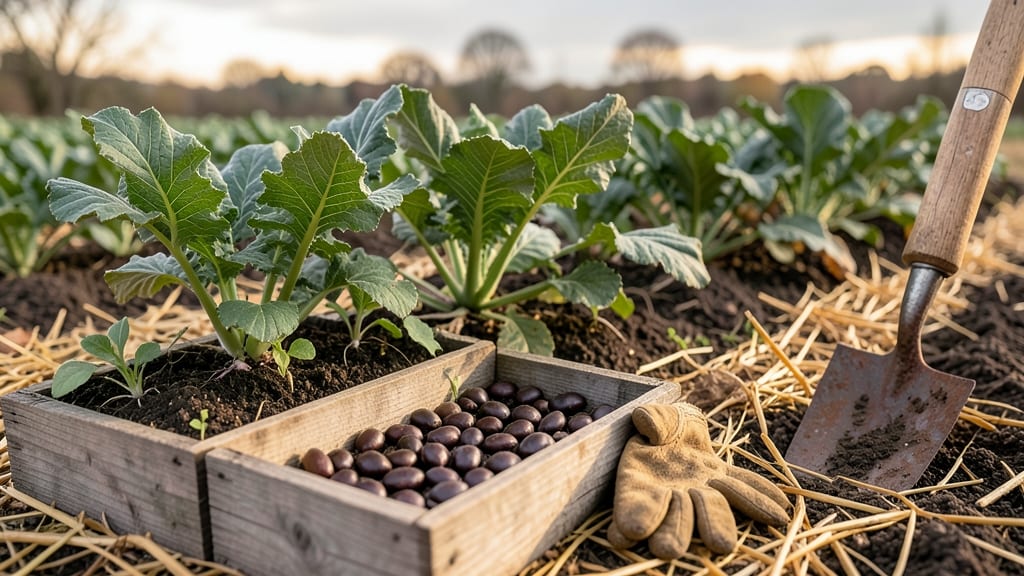
Timing your fall turnip planting just right can mean the difference between a crisp, sweet harvest and bitter disappointment. The key lies in planting 4-6 weeks before your first frost, when soil stays warm enough for germination but cool enough to prevent bolting—especially in USDA Zone 6a.
I’ve learned the hard way that planting too late in fall risks turnips 🥕 bolting before they mature, while starting too early can lead to oversized, woody roots. The sweet spot balances growth speed with frost protection, ensuring tender roots by winter.
Whether you’re a seasoned gardener or just starting, nailing this window transforms your garden into a cold-weather harvest powerhouse.
What makes fall turnips so rewarding? They thrive in cooler temperatures, delivering nutrient-packed greens and roots long after summer crops fade. With the right variety and timing, you can enjoy homegrown turnips straight from your garden well into winter—no greenhouse required.
In this guide, I’ll break down the exact planting dates for your zone, soil prep secrets, and spacing tips to maximize your harvest. Let’s get those turnips growing the right way!
Best fall planting dates for turnips by US hardiness Zone
Timing your turnip planting in fall is all about beating the first frost while giving roots enough time to mature. Aim for 4-6 weeks before your average first frost date, but adjust based on your USDA hardiness zone and whether you're growing early-maturing or late-season varieties.
In cooler zones (3-5), you might start as early as mid-August, while warmer zones (8-10) can wait until late September.
Direct sowing is best for fall turnips—transplants struggle with the temperature shift. Start seeds ½ inch deep, spacing them 1-2 inches apart in rows 12-18 inches apart. This gives roots room to expand without crowding, which can lead to bitter, woody roots.
My garden journal shows that turnips planted too late (within 3 weeks of frost) often bolt, sending up bitter-tasting flowers instead of sweet roots.
Use your local frost date as your anchor. For example, if your first frost is November 10th, plant by early October. In Zone 6a (like my backyard), this means starting seeds between September 15th and October 5th.
For Zone 7b, push it to late September. Always check your last frost date—some years, fall weather lingers longer, giving you extra days to plant.
🌱 Fall Turnip Planting Timeline by USDA Zone
| Zone | Planting Window | Weeks Before Frost | Notes |
|---|---|---|---|
| 3-5 | Mid-August to early September | 6-8 weeks | Cool nights; use row covers |
| 6-7 | Late August to mid-September | 5-7 weeks | Ideal for 'Tokyo Cross' |
| 8-9 | Late September to early October | 4-6 weeks | Plant 'Purple Top' for late harvests |
| 10+ | October to early November | 3-5 weeks | Short season; choose fast varieties |
📅 Pro Tip: Use a planting calculator to adjust for early/late frosts in your area.
For succession planting, sow a second batch 3-4 weeks after your first planting. This ensures a steady supply of turnips as the season progresses. In my raised beds, I mark planting dates with colored flags—it’s a simple way to track progress and avoid overlapping harvests.
Just remember, turnips need consistent moisture to develop sweet roots, so mulch after planting to retain soil moisture.
If you're in a warmer microclimate (like near a heat-retaining wall), push your planting date slightly later. I once planted turnips in early October in a sunny south-facing bed and still got a harvest before frost—proof that location matters!
Always monitor your garden’s microclimate, as it can shift planting windows by 1-2 weeks.
For container gardening, use deep pots (at least 12 inches deep) and plant 2-3 seeds per container. Containers warm up faster, so start them 1 week earlier than in-ground plantings.
My balcony turnips in Zone 7b thrived when planted by September 1st, producing roots by early November.
Watch for bolting, a common issue when turnips sense long daylight hours or temperature swings. If your turnips start sending up flower stalks, harvest the greens first—they’re still edible and nutritious.
For preventing bolting, choose shade-tolerant varieties like 'Hakurei' or use row covers to protect seedlings from heat spikes.
Finally, don’t forget to rotate crops—turnips are part of the Brassicaceae family, so avoid planting them where you’ve grown cabbage, broccoli, or kale in the past year. My community garden plot rotates turnips, beans, and squash each season to keep soil healthy and pests at bay.
With the right timing and care, fall turnips can be one of your most rewarding harvests, offering crisp roots and tender greens well into winter. Happy planting! 🥕
Best fall planting dates for turnips by US hardiness Zone
Timing your turnip planting is everything in fall—get it right, and you’ll enjoy crisp, sweet roots through winter. Get it wrong, and you risk bolting or stunted growth. The key is planting 4-6 weeks before your first frost, but exact dates vary by USDA zone and your local climate.
For example, gardeners in Zone 3 (like Minnesota or Maine) should plant by mid-August to avoid early frosts, while those in Zone 10 (like Southern California) can extend planting until mid-October. Always check your local frost dates—extension offices are a great resource.
Turnips are cool-season crops, so they thrive when soil temperatures drop below 75°F. This makes late summer to early fall the perfect window. Planting too early can lead to bolting (premature flowering), while planting too late risks roots becoming woody or bitter before harvest.
🌱 Fall Turnip Planting by USDA Zone
| Zone | Planting Window | First Frost Target | Notes |
|---|---|---|---|
| 3-4 | Late July–early August | Mid-September | Early varieties only; use row covers. |
| 5-6 | Mid-August–early September | Late October | Ideal for most varieties; mulch heavily. |
| 7-8 | Late August–mid-September | Mid-November | Extend season with cold frames. |
| 9-10 | Mid-September–October | Late December | Plant until soil cools below 60°F. |
If you’re unsure about your zone, use the USDA Plant Hardiness Zone Map to pinpoint your location. For container gardeners, fall planting works too—just use larger pots (12+ inches deep) and move them to sheltered spots before frosts hit.
Pro tip: Succession plant turnips every 2-3 weeks in late summer for a staggered harvest. This ensures you’re always pulling fresh roots while protecting against sudden temperature drops.
Remember, turnips need 60-80 days to mature. Planting too close to frost means smaller, tougher roots. Aim for a harvest before temperatures dip below 20°F, or use mulch to insulate the soil.